A valley city with a quiet pulse

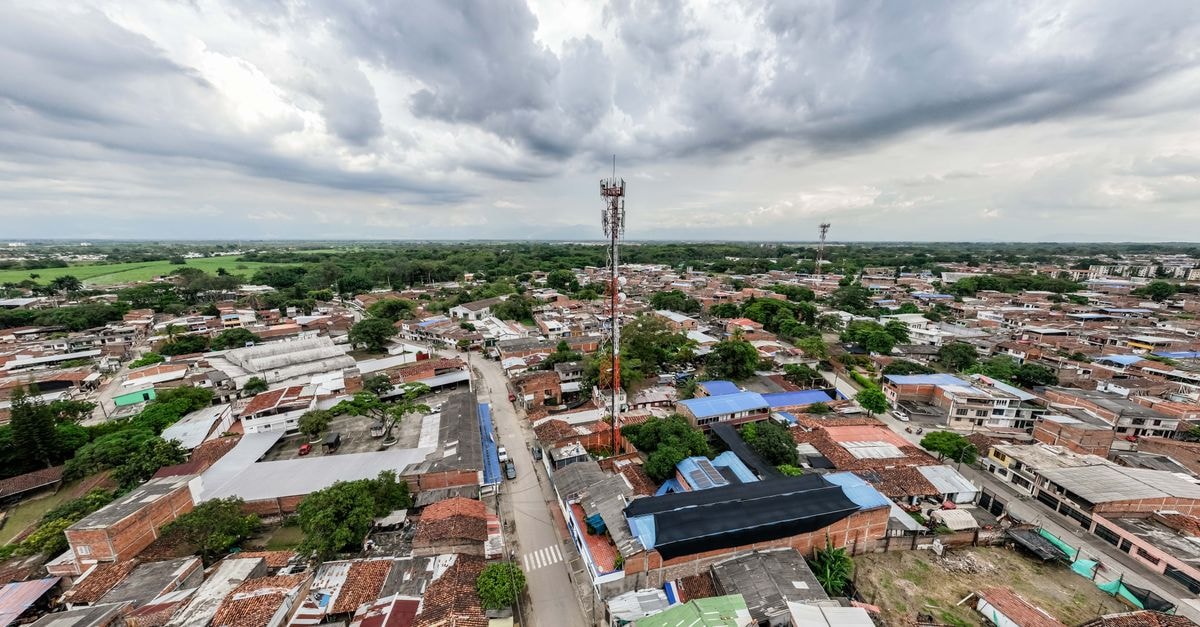
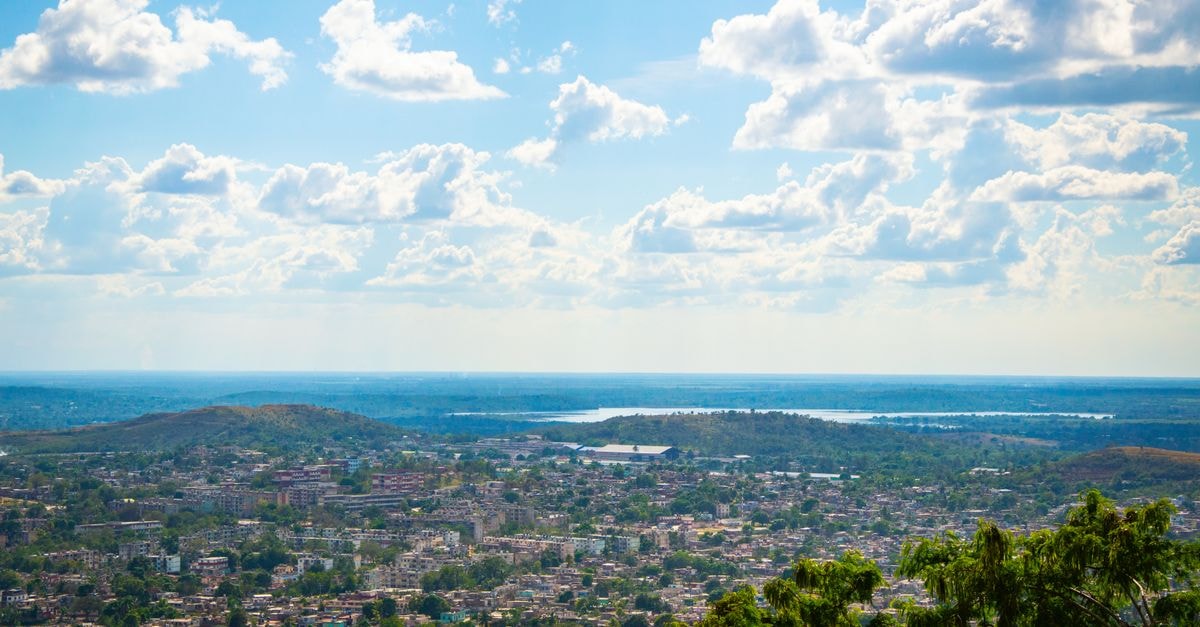
Estelí, often called the "Diamond of Segovia," sits in the middle of a valley surrounded by plateaus at roughly 800 meters above sea level. That elevation gives the city a pleasant climate, the kind of soft warmth that rewards unhurried mornings on a terrace with a coffee and a view toward the surrounding highland country. There is no rush to beat the heat here, and visitors quickly pick up the same unhurried tempo.
Geography matters in Estelí. The valley setting frames the city in green and shapes daily life in subtle ways, from how the light falls in the late afternoon to how quickly you can leave the urban grid behind for open countryside. Because Estelí's geographical position makes it a major center for agrotourism and commercial activities in the region, the rhythms of farm, market, and small commerce are visible almost everywhere you walk. Travelers tend to notice this within a day: vendors restocking produce, pickup trucks heading out toward the plateaus, and conversations that easily drift from coffee harvests to the price of beans.
For a visitor, the practical takeaway is simple. Estelí is the kind of place to wander into with curiosity, to walk more than you expect, and to leave space in the day for the kind of detours that only happen when you are not racing a checklist.
Weather and seasonal context
Estelí's location in a mid-elevation valley is the single biggest reason its weather feels different from the steamier lowland cities of Nicaragua. Sitting 800 meters above sea level and surrounded by plateaus, the city earns its nickname "Diamond of Segovia" partly because of the comfortable climate this terrain produces. Travelers used to coastal heat often find that the air here carries a gentle coolness, especially in the early morning and evening, and that layers make a real difference over the course of a day.
This pleasant climate is not an accident of marketing. It is a direct product of geography, and it shapes how most visitors move through Estelí. Long outdoor walks feel reasonable, viewpoints feel worth the climb, and café terraces stay pleasant well into the afternoon. A traveler who tries to pack the day as tightly as a lowland itinerary often finds that the climate rewards a slower pace instead. Sitting still on a colonial-era bench with a coffee and a notebook tends to feel like the right thing to do here.
The valley setting also means the sky over Estelí changes quickly. Mornings can start hazy as the plateaus release their night air, and afternoons can shift between bright sun and soft cloud cover. A small daypack with a light layer, sunscreen, and a refillable bottle is the kind of low-effort preparation that pays off across a typical day of exploring. Because conditions can shift, pacing the day around the gentler hours can make even a simple wander through the central streets feel more rewarding.
For visitors planning around the calendar, the climate context above is the most reliable anchor: a mid-elevation valley with a pleasant, mild feel that is closely tied to the surrounding plateaus rather than to any single month.
Getting around
Getting around Estelí is part of the city's character. The central streets are compact enough that much of what most travelers want to see, including the main plazas, markets, and cafés, sits within easy walking distance. A relaxed pair of shoes and a sense of direction are usually enough for the first day.
For trips that go beyond walking distance, the local bus network fills the gap. Local bus fares in Estelí hover around 10–15 córdobas per ride, which works out to roughly 30–50 cents in US dollars at typical exchange rates. That makes bus travel an easy, low-cost choice for short hops that would otherwise feel too far to walk, especially in the warmer part of the day. Rates are only a reference point; the live exchange rate should always be checked before budgeting.
The buses themselves are slow and often crowded, but they cover routes beyond walking distance, like trips to nearby neighborhoods and the outskirts of the city. For travelers, that means the bus is not just a way to reach the center; it is also a practical option for exploring the edges of town. A late afternoon ride out toward the outskirts and a bus back as the light fades is the kind of simple plan that captures a lot of what Estelí feels like without requiring any advance booking or complex logistics.
A few habits make the local buses easier to use. Asking a local which route serves a particular neighborhood, keeping small change ready in córdobas, and boarding early enough to find a seat all tend to smooth the experience. Because service is informal and routes can change based on demand, treating each bus ride as a small local interaction rather than a fixed timetable tends to lead to a better day.
For a sense of natural escape that pairs well with a slow city pace, the Estanzuela waterfall sits roughly 12 kilometers southwest of the city, at the exit that leads toward the town of San Nicolás. Travelers interested in cooler air, forest sound, and an easy half-day out of town often ask about the route. Reaching it from Estelí typically combines a local bus heading in that direction with a final stretch by foot or by hired transport, and the journey is straightforward enough to arrange on the ground once in the city. As with any outdoor stop in a hilly region, basic preparation, sturdy footwear, water, and a flexible schedule, helps the visit feel relaxed rather than rushed.
A note on planning
Estelí rewards travelers who arrive with a loose plan and a willingness to adjust. The combination of a pleasant climate, walkable center, affordable local buses, and easy access to the surrounding countryside means a short visit can feel rich without being packed, and a longer visit can settle into a comfortable rhythm. Because factual travel conditions can change, official channels and on-the-ground sources should be checked before departure for the latest local information.
Share this article
TOOLS FOR THIS PLAN
Make the Esteli plan measurable
Choose a tool only when it answers the next question in your trip. Your values stay in the browser, and each tool offers a route back to this planning context.