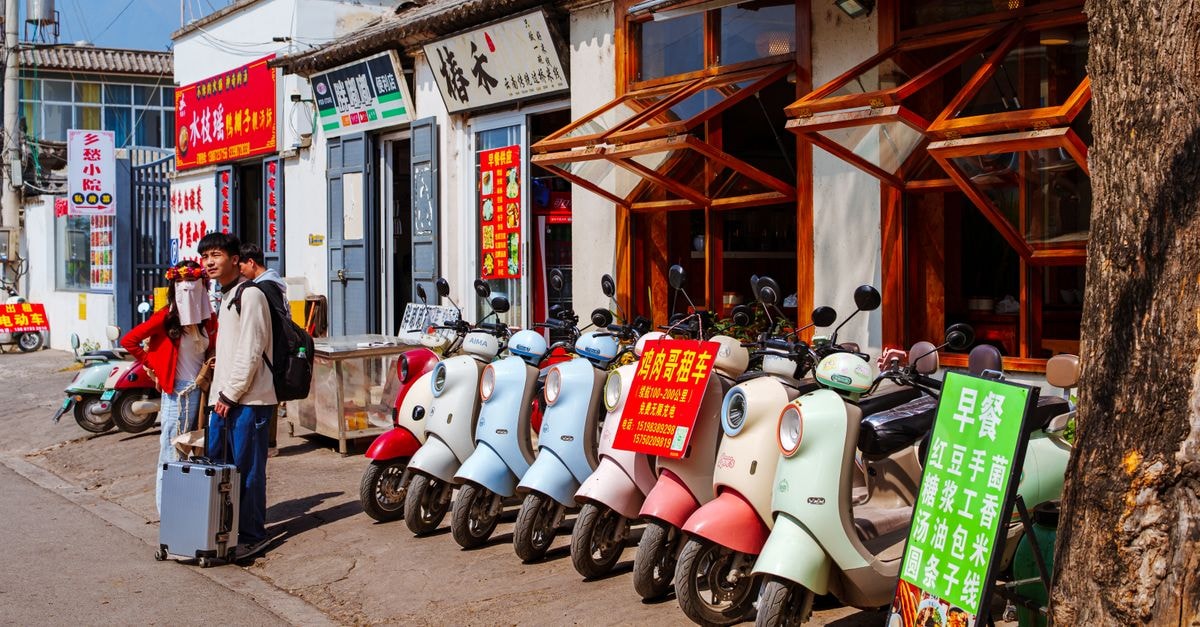
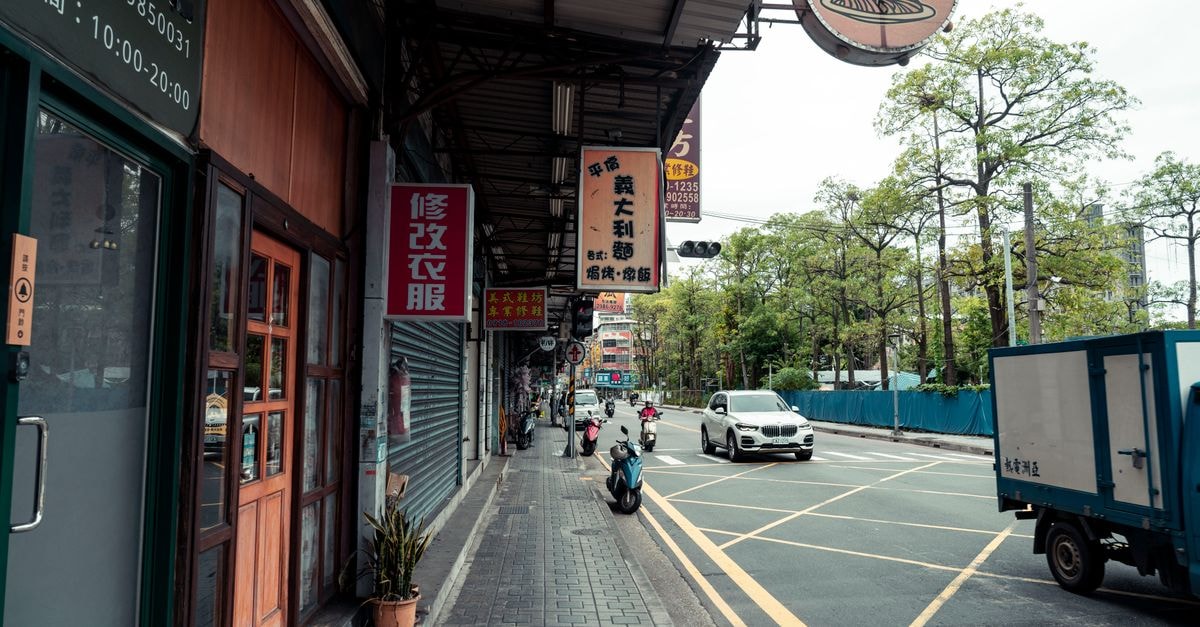
Changzhou sits in the heart of Jiangsu province with a long history as a manufacturing and canal city, and it has also built a reputation as a domestic travel destination thanks to a few well-known sights. Visitors arriving on a short itinerary tend to gravitate toward one major theme park and a handful of name-checked restaurants, while the wider city offers the kind of leafy Jiangsu streetscapes that reward unhurried strolling. This guide keeps the focus on what is verifiably anchored to Changzhou itself — transport basics, a signature attraction, and a few named local food stops — so independent travelers can plan confidently without guesswork.
Getting into and around the city
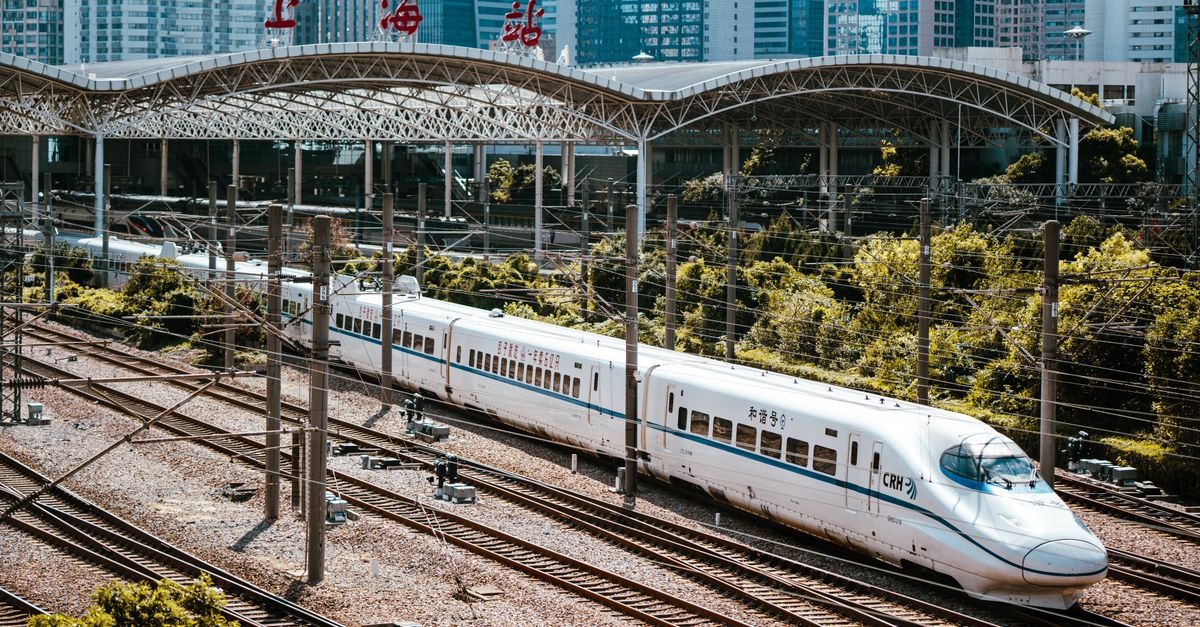
For visitors arriving by train, Changzhou Railway Station operates as a combined hub serving both ordinary passenger trains (denoted with the letters Z, T or K) and high-speed services (G, D or C series), with around 58 high-speed and bullet train services each day, including Shanghai–Nanjing intercity rail connections (F2-1). That dual-function layout means many travelers will not need to choose between stations: high-speed tickets, conventional train tickets and intercity services can all be handled at the same complex. If you prefer the speed and comfort of high-speed rail for the Shanghai–Nanjing corridor, this stop works well because the intercity service runs directly into the same station rather than requiring a transfer. Travelers arriving from Beijing, Hangzhou or further afield should weigh whether a high-speed (G or D) or a conventional (Z, T or K) train fits their schedule and budget better, since both are available here.
Within the city, taxis, ride-hailing apps and city buses are the common ways to reach specific sights, and because the railway station lies within the urban area, most readers will find their first destination reachable in a short ride. Travelers who want to minimize transfers on arrival may appreciate having a single fixed arrival point rather than juggling multiple stations.
A signature day out: the dinosaurs
The single Changzhou attraction most often namechecked by domestic tour writers is the China Dinosaurs Park, a large dinosaur-culture-themed amusement park (F4-1). For travelers who enjoy themed entertainment parks — places where rides and exhibits are stitched together around one big idea — this is the clearest headline sight in the city. It is a full-day proposition in scale, so consider planning meals and return transport around it rather than trying to combine it with several other major stops on the same day.
If amusement parks are not really your thing, the rest of the city still rewards a gentler pace: Jiangnan-style streets, canal-side walks and smaller museums typical of the Yangtze Delta region. Travelers who prefer culture over thrills may want to weigh the park against a lighter day of neighborhood wandering, since the park is built around rides and themed zones rather than quiet sightseeing.
Food and local context
Changzhou has a small but well-defined set of named restaurants and pastries that locals point to, and a short stop at any of these gives a quick read on the city's food identity.
Changzhou Douzhai Cake is described as a unique specialty of Changzhou, and the version most commonly associated with the city is found at Tianxiang Ingot Pork Changzhou Douzhai Cake – Changzhou Caigenxiang Restaurant (F5-1). It functions as a recognizable edible souvenir of the city: easy to recognize, easy to pack, and tied to a specific venue by name.
For savory lovers, Zhenglu Painted-face Restaurant is associated with the "painted-face pig," a dish noted as a national treasure of China (F6-1). The painted-face pig preparation has a longer documented history at this restaurant than many competing local specialties, which makes it a natural pick for travelers who want to try a single, distinctive Changzhou savory dish rather than a broad tasting menu.
For a lighter or grab-and-go option, Changzhou Sesame Cake Restaurant, with what is described as a 100-year history, is known for its sesame cakes (F6-2). Sesame cakes travel well, suit a tea break or a railway-journey snack, and pair naturally with a slow afternoon.
Wider Chinese dining context that visitors may encounter while traveling through the Yangtze Delta includes the use of shared dishes, the centrality of rice or noodle staples, and the habit of pairing savory mains with smaller cold plates and tea. None of these are Changzhou-specific behaviors, but knowing them can make a first visit feel more relaxed.
Choosing what fits your trip
If your main interest is a recognizable Changzhou souvenir to take home, prioritize the douzhai cake from Caigenxiang; if your main interest is a memorable sit-down meal, the painted-face pork dish at Zhenglu is the most narratively distinct local pick. If you are bringing family members who love themed parks, the China Dinosaurs Park should anchor the day; if your group leans toward slower wandering, the same hotel base can support canal-side and old-town-style walks without committing to a full park day. Travelers arriving from Shanghai or Nanjing by intercity rail will likely find a single-base stay more efficient than relocating, since the railway station handles both conventional and high-speed services.
A note before you go
The food stops and the dinosaur park named here are anchored in approved factual sources for Changzhou. Specific addresses, current opening hours, ticket prices and reservation practices for any venue or restaurant can change, so verify the practical details on the operator's official channels or a current Changzhou tourism resource before finalizing plans. Likewise, train frequencies, platform assignments and service types are best re-checked close to your travel date through the rail operator's official site or app. Factual travel conditions evolve quickly in China, and an evergreen guide like this is best treated as a starting framework rather than a day-of confirmation.
Share this article
TOOLS FOR THIS PLAN
Make the Changzhou plan measurable
Choose a tool only when it answers the next question in your trip. Your values stay in the browser, and each tool offers a route back to this planning context.