A Quiet Corner of Ningxia
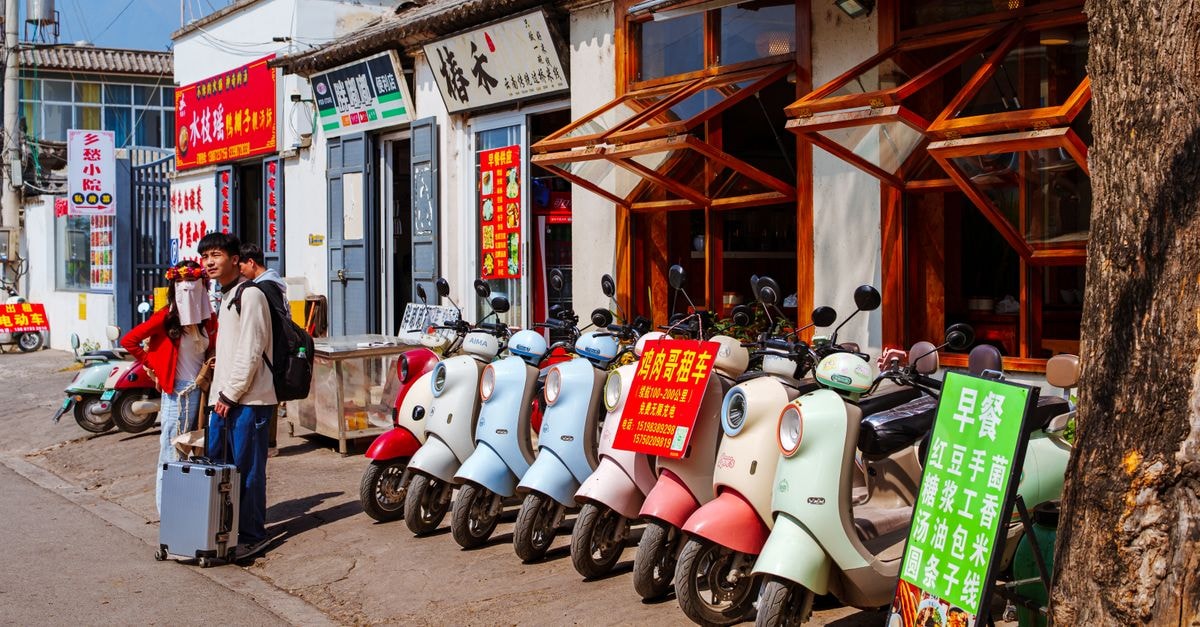
Zhongwei sits along the upper Yellow River in northwestern Ningxia, a place that often gets described in hushed travel-blog tones as "the desert meets the river." That poetic framing has real geography behind it. The city is positioned where the Tengger Desert pushes up against a green river valley, and it has long been a waypoint rather than a headline destination. Visitors tend to arrive expecting silence, long horizons, and the kind of unhurried pace that comes from being a little off the main Chinese tourist circuit.
This guide keeps that energy in mind. It is for travelers who do not need a packed itinerary and who are curious about the everyday texture of a place — how people move through it, and how food shows up in their day. A note before reading: this is an evergreen city guide built on durable, publicly available information. Factual conditions such as schedules, prices and service availability can change, and the best pre-trip checks are always official transport and tourism channels closer to departure.
Getting Around
Travelers arriving in Zhongwei will most likely be coming from elsewhere in Ningxia or from neighboring provinces. According to a published Zhongwei transportation overview, bus services link Zhongwei to all major centers within Ningxia, including the regional capital Yinchuan, with limited long-distance bus service also reaching other major cities in the northwest, including Lanzhou. That makes the intercity bus a reasonable starting point if your route in or out of the city runs through these hubs.
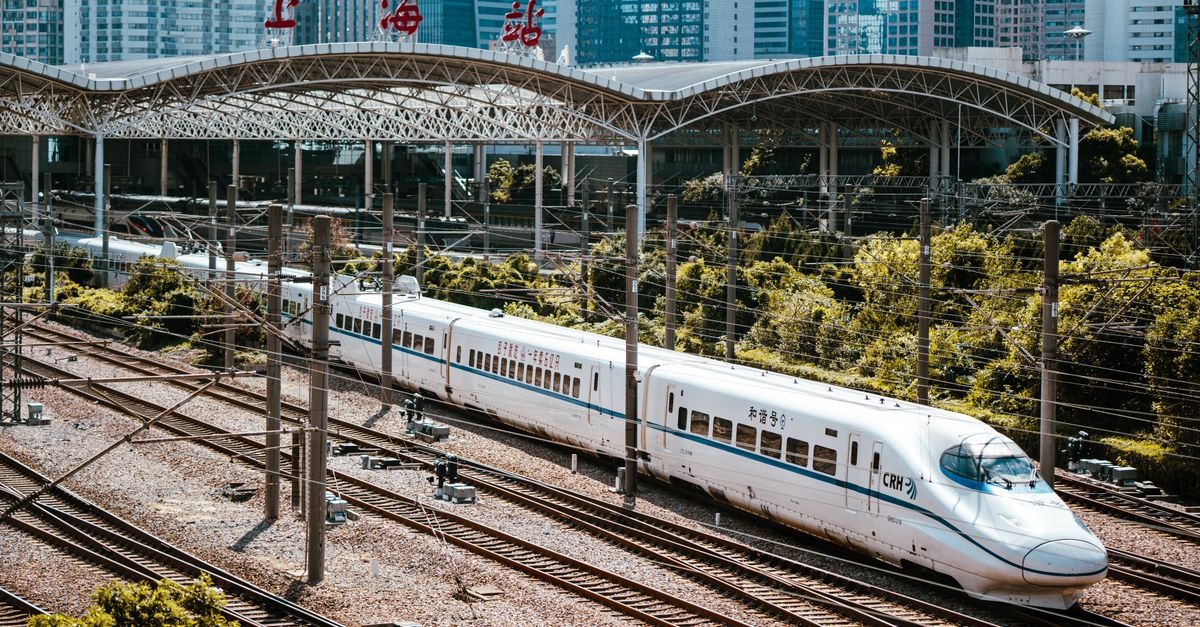
For rail travelers, Zhongwei also appears in rail reference material. The Wikivoyage entry for Zhongwei opens with a basic get-in outline, noting that the city can be reached by train, and presents a map of Zhongwei for orientation. The same Wikivoyage page is described as an outline-style guide that needs more content, which is a fair signal that visitors should not rely on a single source for current timetables. Treat train and bus schedules as starting points and confirm them through an official booking channel before traveling.
A practical note for slower-paced travelers: if you are coming from Yinchuan or Lanzhou and prefer a ground route with the option to watch the landscape change from the window, the bus descriptions in the approved transport overview suggest that intercity road service is the more fully documented way into the city. If you would rather minimize transfers or your schedule is tight, it may be worth comparing train and bus timing for your specific date.
Within Zhongwei itself, this guide does not claim detailed coverage of local transport options such as taxis, ride-hailing, or city buses. The approved sources cover intercity arrival rather than in-city mobility, so any deeper statement about neighborhood-to-neighborhood travel would be unsupported here. Travelers who want a sense of how to move around the urban core should ask locally or check current city resources on arrival.
Food and Local Context
Zhongwei is in China, and dining in China is generally shaped by customs that visitors are likely to encounter during their stay. A Wikipedia entry on customs and etiquette in Chinese dining frames these as traditional behaviors observed while eating in Greater China — useful background if you have not eaten across many regions of the country before. None of this is presented here as a Zhongwei-specific rule; it is wider Chinese dining context that visitors may simply notice while eating in the city.
A broader cultural write-up on Chinese eating culture makes two points that are worth keeping in mind. First, it observes that Chinese people love to eat and that China boasts one of the world's greatest and most varied cuisines, which translates practically into the expectation that meals are social, generous, and treated as a real part of the day rather than a refueling stop. Second, it notes that China has a long history of ritual and etiquette and that dining etiquette has developed to a high degree, which is a gentle reminder that table behavior — from how tea is poured to how dishes are shared — carries small but visible norms.
What this means for a traveler in Zhongwei is fairly simple. Expect meals to be shared rather than plated individually. Expect tea or water to appear alongside food. Expect a slower rhythm, with conversation around the table rather than rushed service. If you are curious about regional specialties of Ningxia or the Yellow River valley, treat those as questions to ask locally rather than facts this guide can confirm — the approved sources do not describe Zhongwei-specific dishes, and inventing menu recommendations would push past the evidence. Travelers with dietary restrictions or allergies will find that pointing at a phrasebook line, or using a translation app, tends to work better than long verbal explanations.
A short note for travelers who prefer to eat lightly or move quickly: Chinese meals are often structured around several shared dishes rather than a single main course, so pacing matters. If you would rather not commit to a long, multi-course sit-down at every meal, lighter street-level options and breakfast stalls are common in Chinese cities, though the approved sources do not confirm specific Zhongwei venues. Ask locally for what is open near your lodging.
Choosing What Fits Your Trip
Zhongwei rewards a particular kind of traveler, and the evidence here points to a few honest tradeoffs rather than a one-size-fits-all plan. If your priority is reaching the city with as few variables as possible, the documented intercity bus links to Ningxia's major centers and the city's appearance in rail reference material both give you workable options, but neither source alone is enough to lock in a current timetable. Travelers who are comfortable double-checking schedules closer to the date will find it easier to plan than those who need a fixed, pre-booked arrival.
If you are more interested in the everyday texture of Chinese dining than in a specific regional menu, the country-level food and etiquette references give you enough grounding to feel oriented at the table without overpromising what Zhongwei kitchens actually serve. Travelers who want a deeper, dish-by-dish picture of local Ningxia cuisine will need to look beyond this guide. The honest version of the choice is this: Zhongwei works best as a slow stop with flexible logistics, not as a tightly scheduled checklist.
A Closing Note for Travelers
A short verification note before you go. The transport details in this guide come from publicly available reference material, and the dining context from broader sources on Chinese food culture. Schedules, services, prices and even the small customs you encounter can shift over time, and they vary from one establishment to the next. Before you travel, check official transport and tourism channels for the most current information on buses, trains and local conditions. Treat the framing here as a starting point, and let what you find on the ground in Zhongwei complete the picture.
Prices, opening hours, schedules, reservation rules, and local conditions can change; verify them through official channels before departure.
Share this article
TOOLS FOR THIS PLAN
Make the Zhongwei plan measurable
Choose a tool only when it answers the next question in your trip. Your values stay in the browser, and each tool offers a route back to this planning context.