A first impression of Jinghong
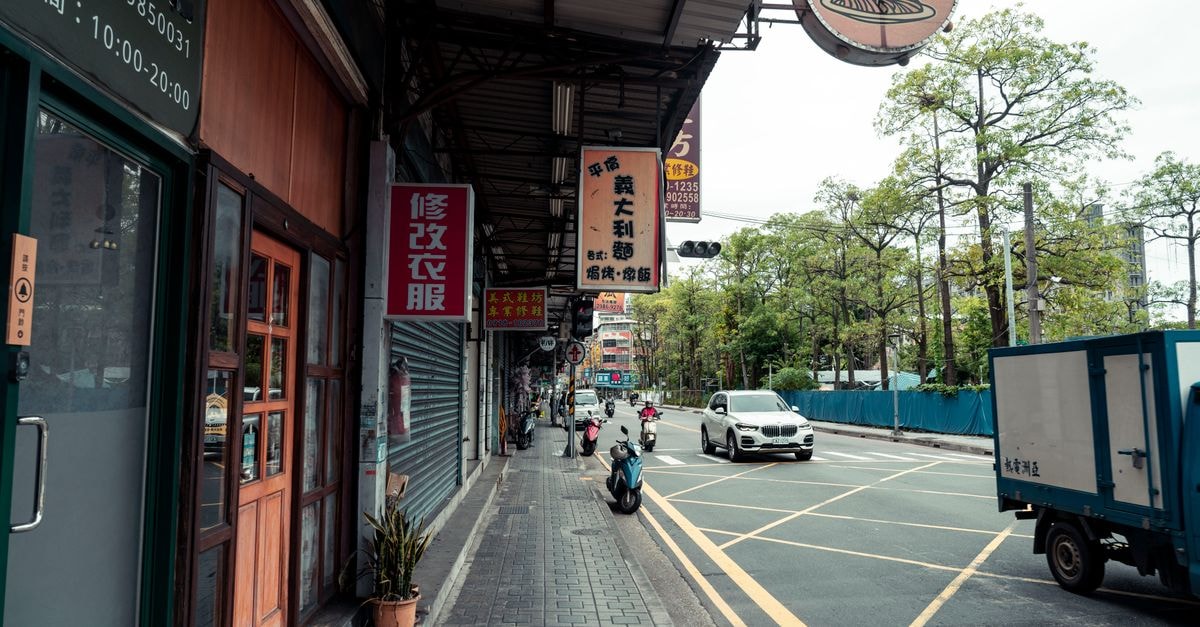
Tucked into the southern reaches of Yunnan, Jinghong has the unhurried warmth of a city that lives a little closer to the forest canopy than to a corporate skyline. Travelers arrive here looking for a softer rhythm — slower streets, lingering lunches, and the kind of evening where the last decision of the day is simply where to sit down and eat. This guide keeps the focus tight: how to step out of the airport without confusion, and how to approach a Chinese meal with a little more ease once you do.
What follows is grounded only in what has been verified, so it stays useful well beyond any single season. Treat it as a starting point, then let the city itself do the rest of the storytelling.
Getting around: two terminals, one airport
Jinghong's airport is set up with two clearly defined terminals, which is helpful to know before you book a transfer or arrange a pickup. Terminal 1 handles international flights, including services to and from Hong Kong, Macao and Taiwan, while Terminal 2 is dedicated to domestic flights within China. Knowing which terminal your flight uses in advance means you can plan your onward transport — taxi, shuttle or hotel pickup — without the last-minute scramble of arriving at the wrong end of the building.
If you are traveling onward within China on a domestic connection, expect to use T2, and build in a realistic buffer if you are transferring from an international arrival in T1. Travelers who prefer door-to-door convenience may find a pre-arranged hotel pickup especially useful at an unfamiliar airport; those comfortable with arranging ground transport on arrival may prefer the flexibility of stepping out and choosing locally.
Because terminal assignments can change, it is worth double-checking your boarding pass and the airline's latest terminal information before you travel.
Food and local context: approaching a Chinese meal
Jinghong sits within China, and dining here is part of the wider Chinese eating culture that visitors across the country tend to encounter. Chinese people love to eat, and China boasts one of the world's greatest and most varied cuisines, so meals are rarely a quick afterthought — they are a genuine thread of the day. Travelers who lean into that energy, rather than treating food as fuel between sightseeing slots, usually get more out of an evening in the city.
China is a country with a long history of ritual and etiquette, and eating is a highly important feature of China's culture, so naturally dining etiquette has developed to a high degree. In practical terms, this can mean a more communal rhythm at the table than some Western travelers expect: dishes arriving in the middle to share, tea poured for companions before yourself, and a relaxed pace that rewards patience. Watching how local diners handle shared dishes and chopstick etiquette in the first meal is often the fastest way to settle into the pattern.
Because customs vary across regions and even between restaurants, the most useful habit is to take a quiet look at how the table is being used around you during your first sit-down meal. Locals and long-time staff are generally happy to cue visitors into the local way of doing things, and a little observation up front tends to prevent small social fumbles later.
A useful verification note: regional food habits in Yunnan can differ from the dining customs described in broader China-wide guides, so if you have a specific etiquette question — for example about toasting, seating order, or how dishes are typically shared in this part of the country — it is worth asking locally or checking a Yunnan-focused resource before assuming the nationwide pattern applies.
Choosing what fits your trip
Jinghong works well for travelers who want a low-friction arrival and a generous food culture to settle into. If you value an easy airport handoff, the two-terminal setup is genuinely helpful as long as you confirm your terminal before travel — anyone connecting from an international flight in T1 to a domestic flight in T2 should build in extra time, while travelers arriving purely on a Chinese domestic service can head straight to T2. On the dining side, the city suits visitors who enjoy communal, unhurried meals and are comfortable letting local table rhythm guide them; those who prefer strictly individual plated courses in a faster service style may want to ask about menu options or private room seating when booking, since the broader Chinese custom leans toward shared dishes and a more ceremonial pace. The trade-off is mostly one of expectations: leaning into the shared-table culture usually makes the meal more rewarding, while resisting it can make the same restaurant feel slightly out of step.
A note before you go
Factual travel conditions — from terminal assignments and flight routes to dining customs and local restaurant practices — can change over time, and this guide is built to be useful well beyond any single season. Before you travel, it is worth checking official airline information for the latest Jinghong airport terminal details, and consulting a current Yunnan-specific dining resource if you have particular etiquette questions. With those small verifications in place, Jinghong is ready to welcome you with a smooth arrival and a table worth lingering over.
Prices, opening hours, schedules, reservation rules, and local conditions can change; verify them through official channels before departure.
Share this article
TOOLS FOR THIS PLAN
Make the Jinghong plan measurable
Choose a tool only when it answers the next question in your trip. Your values stay in the browser, and each tool offers a route back to this planning context.