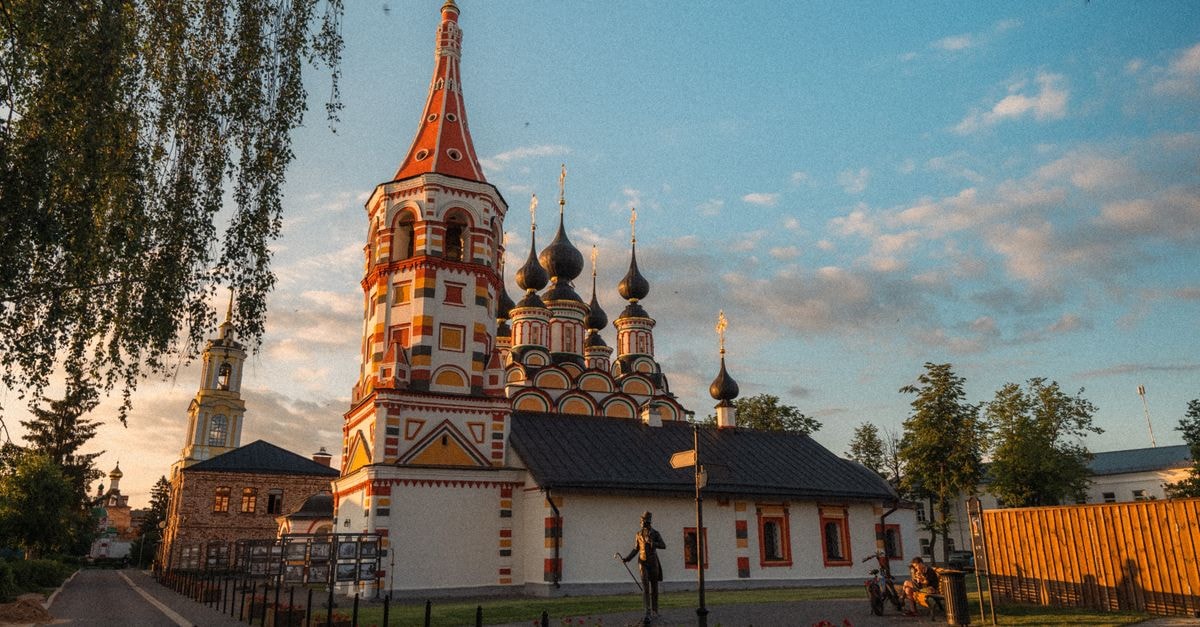
Welcome to a Ural city shaped by movement

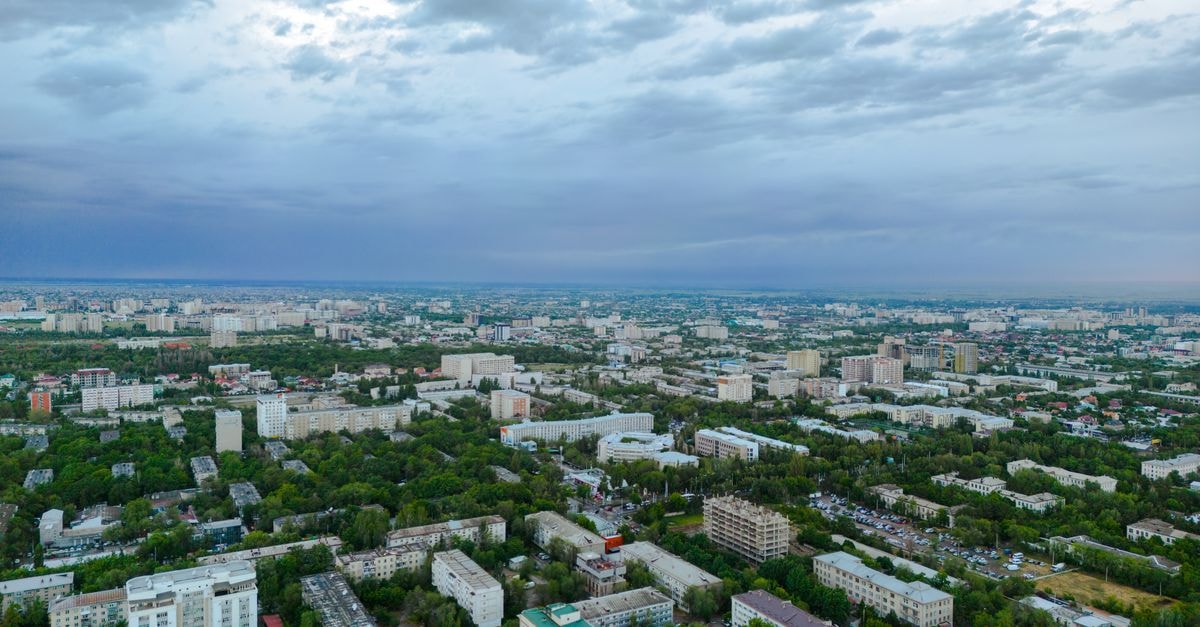
Chelyabinsk sits in the Ural Mountains as one of the region's important cities, and as Russia's seventh-largest city it carries the kind of scale and confidence you expect from a major regional centre. It is also a meaningful transportation hub for the Urals, with the broader road, rail, and air network connecting it to the rest of the country. Located roughly 1,500 km east of Moscow, the city has long functioned as a waystation and a destination in its own right, which is exactly the kind of place that rewards a traveller who plans to slow down rather than rush through.
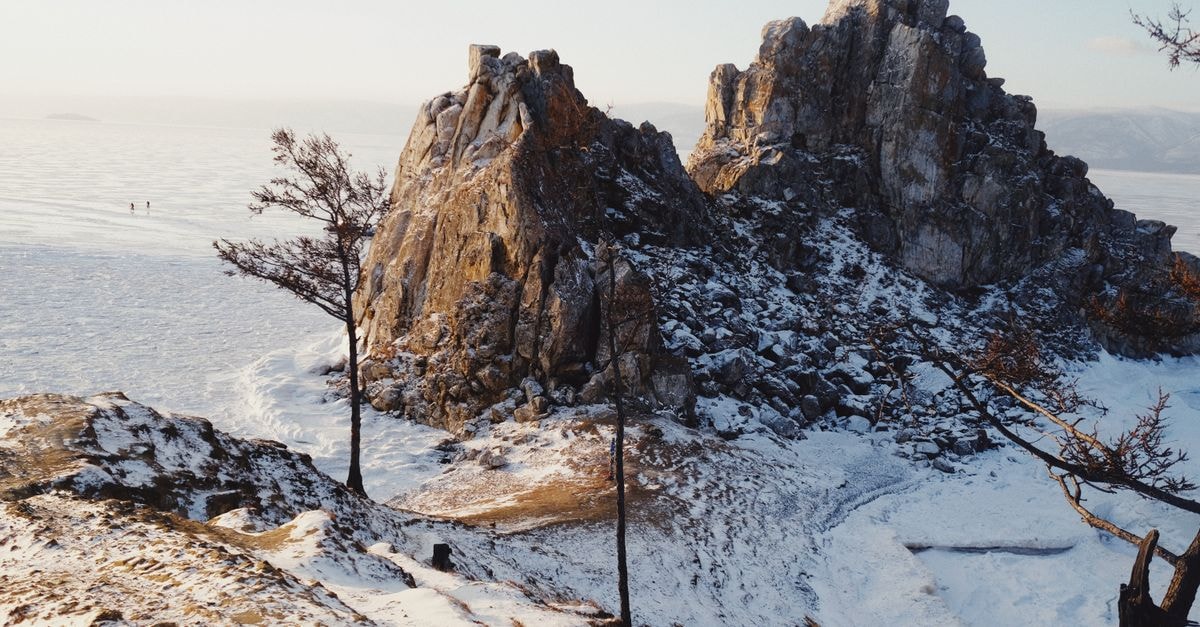
What surprises many first-time visitors is how layered the city feels. Industrial weight, leafy streets, and a working museum culture coexist, and the surrounding landscape hints at the Ural setting that gives the city its particular light and weather. Think of Chelyabinsk less as a stopover and more as a city to read at a comfortable pace.
Weather and seasonal context
Chelyabinsk's climate is shaped by its Ural Mountain setting, and conditions can swing between sharp cold and genuinely warm spells. That variability is part of the city's character. Without a verified month-specific forecast in hand, it's wise to pack for change rather than commit to a single outfit plan: layers, a waterproof outer shell, and shoes that can handle wet pavements and the occasional dusting of frost all earn their space in a suitcase.
Daylight and temperatures shift through the year, so pacing your day matters. In colder stretches, outdoor sightseeing feels best clustered around the middle of the day, with museums, theatres, and indoor cultural stops taking the morning or evening edges. In milder stretches, longer walks through the city's central areas and along its open spaces become far more inviting. A general rhythm that pairs indoor and outdoor time in shorter blocks tends to serve visitors well, and it keeps energy in reserve for the moments when a quiet café or a warm theatre lobby becomes the most memorable part of the day.
Getting around
As a major transportation hub for the Ural region, Chelyabinsk is set up for arrivals and departures, with various transportation options linking it to the rest of Russia. That connectivity is part of why the city works as a base for independent travellers who prefer to mix organised transport with their own walking exploration.
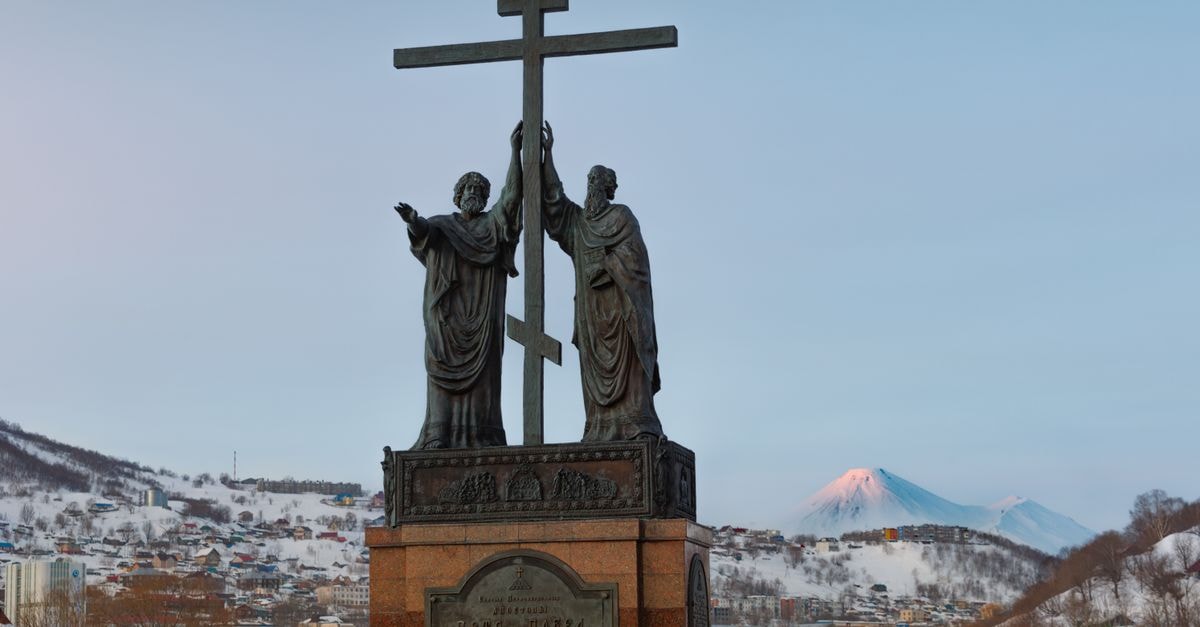
Once you are in the city, getting around tends to revolve around the centre. Chelyabinsk is described as having many historic buildings and museums, including landmarks such as Pavlov Cathedral and the Apollo Monument, and central institutions like the State Museum of the South Ural History. Concentrating these reference points makes the city walkable in spirit, even if you lean on local transport for longer hops. Cultural life also has a performance side worth knowing about, with the Volkhovsky State Puppet Theatre of Chelyabinsk offering a distinctly Russian theatrical tradition that families and curious travellers often enjoy.
Practical notes for independent travellers: keep a paper map or offline maps handy, allow extra time for cold-weather walking, and use the city's transport links to bridge any gaps between districts rather than trying to cover the whole city on foot in a single stretch.
Food and local context
Chelyabinsk sits within a much wider Russian food culture, and understanding a few nationwide threads helps frame what you will find on menus across the city. Russian cuisine is more varied than its stereotypes suggest, and it often starts with home-style foundations: pork fat rendering in a cast-iron skillet, and the sharp tang of fermented rye bread that lingers on the tongue like a memory. These flavours show up in restaurants and cafés across the country, and Chelyabinsk is no exception.
Two dishes in particular tend to define the comfort end of the table. Pelmeni, the Siberian meat dumplings, are widely considered one of Russia's most universal comfort foods, and you will see them offered in broth, with sour cream, or pan-fried depending on the kitchen. They are an easy, warming choice after a day of walking in cold weather. At the other end of the scale, black caviar represents Russia's luxury ingredient, tied to a longer story of ecological pressure and slow recovery through aquaculture. Treat caviar as an experience to consider once, rather than a daily habit, and you'll enjoy it more.
Between those two poles sits the everyday Russian table: hearty soups, rye breads, pickled sides, and meat dishes that lean on slow cooking. Travellers who arrive with an open mind rather than a fixed checklist usually find the most rewarding meals, and asking locally what is fresh or in season is a reliable way to settle into the rhythm of the city.
Planning your time well
A few light habits make a Chelyabinsk trip feel smoother without turning it into a checklist exercise. Keep one anchor moment flexible each day so weather or fatigue can redirect you indoors. Pair museum time with a short outdoor stretch, and save longer walks for the brightest part of the day in cooler stretches. Treat the city's theatres, cathedrals, monuments, and museums as a connected circuit rather than isolated targets, and the geography of central Chelyabinsk begins to feel intuitive very quickly.
Independent travellers who enjoy balancing culture with everyday life tend to get the most out of a Chelyabinsk visit. The city rewards curiosity more than speed, and the combination of Ural scenery, Russian culinary traditions, and a working cultural scene adds up to a place that feels grounded and distinctly its own.
Travel conditions can change, and it is always worth checking official channels and current information before departure so that opening times, transport details, and local guidance reflect the latest situation on the ground.
Share this article
TOOLS FOR THIS PLAN
Make the Chelyabinsk plan measurable
Choose a tool only when it answers the next question in your trip. Your values stay in the browser, and each tool offers a route back to this planning context.