Weather and Seasonal Context

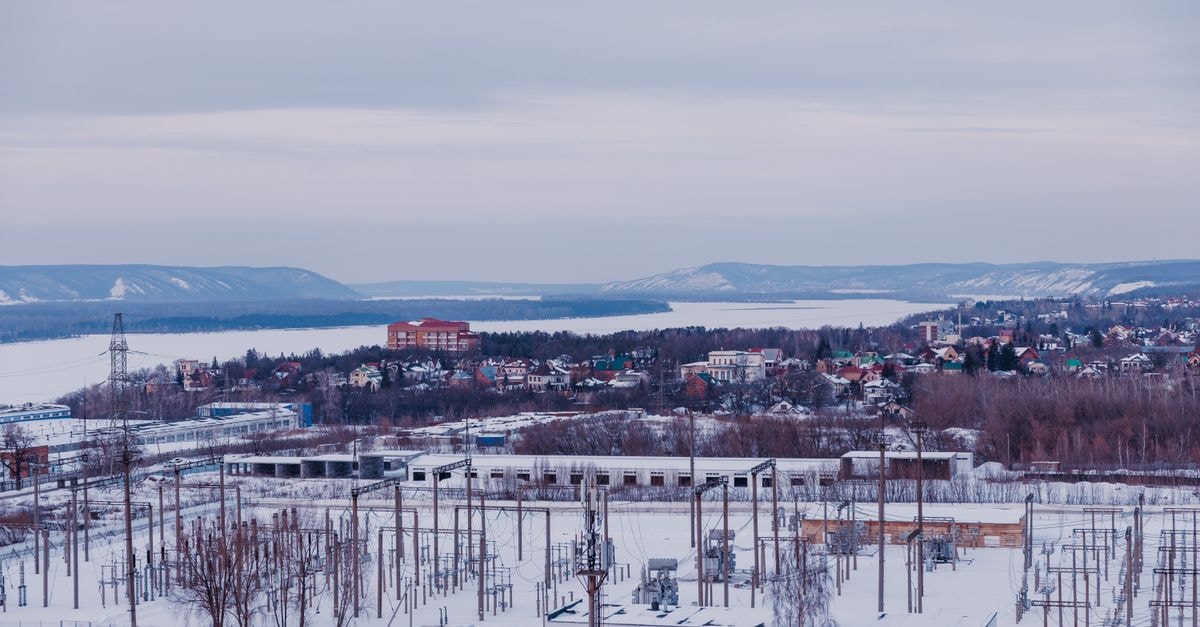
Because direct conditions data for any specific period is limited, it helps to think about Nizhny Tagil in terms of its setting rather than any narrow forecast. The city’s position on the eastern slope of the Ural Mountains means weather here carries the rhythms of a continental mountain region: cool air lingering over the Tagil Pond, forests that hold moisture, and hills that quietly shape what the sky does from one hour to the next. Layers tend to be a traveller’s best companion, and a slower daily pace usually suits the climate better than a packed schedule. The natural surroundings themselves, the pond, the woods, and the broad Ural horizon, are as much a part of the experience as any indoor stop, so dressing for time outdoors is rarely a wasted effort.
Attractions and Planning
Nizhny Tagil leans into its cultural depth rather than its scale, which makes a short visit feel surprisingly rich. The city is known for an engaging museum and theater scene, giving travellers a clear cultural spine to plan around without needing to rush between far-flung sights. That said, the way visitors are encouraged to explore here feels unhurried: rather than ticking through a checklist of headline attractions, the city invites people to amble through its parks and to take time inside its museums, letting each space set its own pace. For a traveller deciding how to fill a day, the simplest approach is to pair a quiet stretch in one of the green spaces with a deeper stop in a museum, leaving room for the kind of small, unplanned moments that often become the most memorable part of a trip. Because opening hours, ticket prices, and current exhibitions can change, it is worth checking directly with the venues or local tourism information before locking in plans.
Food and Local Context
Because the available material does not name specific Nizhny Tagil restaurants, markets, or signature dishes, it is more honest to frame eating here through the wider Russian food culture visitors are likely to encounter while in the city. Russian cuisine is far more textured than its old stereotypes suggest. It begins with the sound of pork fat rendering slowly in a cast-iron skillet and ends with the sharp, lingering tang of fermented rye bread on the tongue, the kind of flavours that feel rooted in home kitchens rather than restaurant showmanship.
Among the most universally comforting dishes across the country are pelmeni, small Siberian-style meat dumplings that function as everyday comfort food across many regions. They are the sort of dish that turns up in modest cafés and family tables alike, and for a traveller in Nizhny Tagil they are a reasonable thing to keep an eye out for when sitting down to eat, even if the city does not claim them as its own specialty. Russian caviar tells a different story: an ingredient wrapped in history, ecological strain, and slow recovery through aquaculture, and among the most expensive food products in the world. It is less an everyday meal and more a cultural reference point, the sort of detail that adds colour to a conversation about Russian food without necessarily appearing on a casual lunch menu.
For visitors, the practical takeaway is simple: expect hearty, bread-rooted meals, look for dumplings as a familiar anchor, and treat any chance to try caviar as a special occasion rather than a routine order. As always with regional eating, the freshest experience comes from asking locally what people in Nizhny Tagil actually cook and order right now, because menus and habits shift with the seasons.
A Note for Visitors
What makes Nizhny Tagil appealing is its balance: a city shaped by mountains and water, grounded by museums and theatres, and softened by parks that invite a slower walk. Travellers who arrive with a flexible plan, comfortable shoes, an appetite for local culture, and a willingness to listen to what the Ural landscape is quietly saying tend to find the most rewarding experience here. As with any destination, practical details such as transport connections, opening hours, and ticketing can change, so a quick check with official sources before departure helps a well-laid plan go smoothly.
Factual travel conditions can change, and official channels should always be checked before departure.
Share this article
TOOLS FOR THIS PLAN
Make the Nizhny Tagil plan measurable
Choose a tool only when it answers the next question in your trip. Your values stay in the browser, and each tool offers a route back to this planning context.