A first look at Belgorod

Set in the rolling heartland of southwestern Russia, Belgorod has the unhurried cadence of a regional capital that still knows how to slow down. The city sits in an area often described in travel writing as a place of wide horizons, chalk ridges, and a certain proud openness to guests. Visitors tend to find a city that feels both grounded and quietly welcoming, the kind of place where a café table or a park bench can hold an afternoon without anyone rushing you along.
The overall rhythm here leans toward the relaxed. Independent travelers looking for value and a comfortable base will find Belgorod sits in a sweet spot, according to regional travel coverage, where everyday costs stay sensible and the essentials are within easy reach. Add a growing café scene and direct access to parks and open space, and the city starts to look like a generous stop for anyone who prefers atmosphere over itinerary checklist culture.
Weather and seasonal context
Because this guide is written to be useful whenever you arrive, the focus here is on the texture of Belgorod's daily life rather than a single week's forecast. Travel writing about Belgorod and the surrounding area often highlights the city's relaxed pace and its easy reach to both urban amenities and nearby nature, which suggests a destination that rewards travelers who build in time to wander rather than sprint between sights.
That said, comfort matters, and Belgorod's climate generally follows the broad rhythm of central Russia: warm summers that invite lingering park visits, crisp autumns that turn chestnut trees golden, and winters that turn the city's wide streets into a postcard of frost. If you are sensitive to cold, plan on layered clothing and shorter outdoor stretches during the colder months; if you arrive in warmer weather, the city's green spaces become an obvious part of the day. Pacing yourself around the comfort of the season is a sensible habit here.
Getting around
Belgorod is laid out for visitors who like to explore on foot and at their own pace. The central areas and main parks cluster close enough that walking between them is part of the pleasure rather than a chore. Travelers planning a stay in Belgorod frequently describe the city as offering a sweet spot for value and comfort, with transport and accommodation that lean practical and accessible rather than flashy.
One useful orientation habit is to start your visit at a major landmark and let the surrounding streets pull you onward. Tripadvisor-style listings for Belgorod tend to anchor visitors around parks and museums, which doubles as a quiet navigation clue: the sights themselves are spread out enough to feel like discoveries, but they sit along routes that locals use every day. That is a comfortable kind of city to learn on the move, without needing a detailed plan from minute one.
Attractions and planning
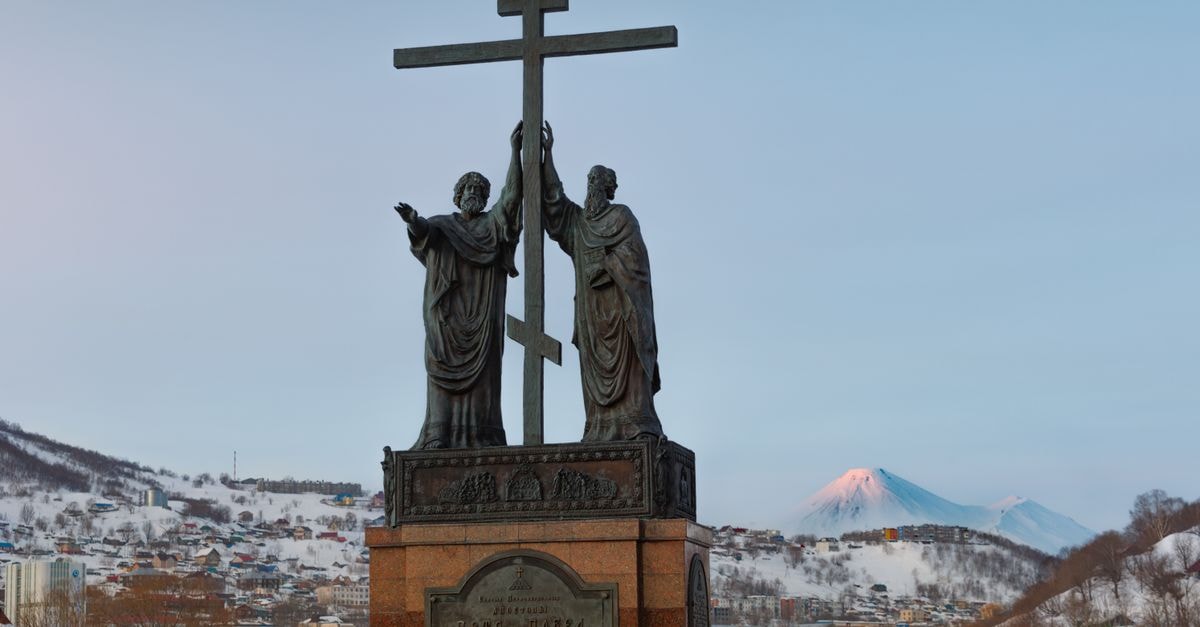
The two anchors most consistently named in Belgorod listings are Victory Park and the Museum-Diorama of the Kursk Battle, both of which speak to the region's deep WWII history and its contemporary sense of remembrance. Victory Park is the kind of green lung where Belgorod residents take their daily walk, and visitors are naturally folded into that rhythm. It is the kind of place where benches, open lawns, and monumental sculpture give the day a sense of scale, and where you can spend an unhurried hour before moving on.
The Museum-Diorama, dedicated to the Kursk Battle, sits among the top-rated attractions in the region and gives travelers a chance to engage with the area's wartime history in a focused, visual way. Beyond those two anchors, the broader list of things to do in the region includes speciality museums, monuments, and statues that fill out a thoughtful afternoon of city walking. Belgorod's visitor map also points toward specialty museums and civic monuments that round out a slower, more contemplative day.
A practical note: because these are heritage and memorial sites, treat them with the quiet respect they are given locally. Approach them as you would any meaningful museum visit, give yourself time to read the exhibits, and let the experience set the pace for the rest of your day.
Food and local context
Belgorod sits firmly inside broader Russian food culture, and visitors will quickly notice that meals here lean hearty and generous. Russian cooking is far more textured than its old stereotypes suggest. Picture the crackle of pork fat rendering in a cast-iron skillet and the sharp tang of fermented rye bread that lingers on the tongue, the kind of flavors that define a national table rather than a single city.
Two dishes in particular belong on any visitor's mental list of what to try while traveling in Russia. Pelmeni, the small meat dumplings originally rooted in Siberia, are among the country's most universal comfort foods and appear on menus in different forms from one end of the country to the other. Black caviar, meanwhile, sits at the very top of Russian luxury ingredients, carrying centuries of history along with its distinctive briny intensity; trying it at least once, even in a small portion, is part of the broader Russian culinary experience.
Planning notes and final verification
Belgorod works best as a city you sink into rather than sprint through. A stay of a few days gives you time for Victory Park, the Kursk Battle Museum-Diorama, and a slow loop through the city's speciality museums and monuments, with afternoons left over for cafés and quiet parks. As with any destination, prices, opening hours, tour availability, and on-the-ground conditions can change. Always confirm current details through official channels, local tourism resources, or your accommodation before you set out. Currency rates fluctuate, so treat any ruble figures you see as a reference rather than a guarantee and check the live rate before exchanging money. With those small habits in place, Belgorod is the kind of city that rewards the unhurried traveler with quiet parks, layered history, and a generous table.
Share this article
TOOLS FOR THIS PLAN
Make the Belgorod plan measurable
Choose a tool only when it answers the next question in your trip. Your values stay in the browser, and each tool offers a route back to this planning context.