A southern Chinese city that doesn't behave like its neighbours

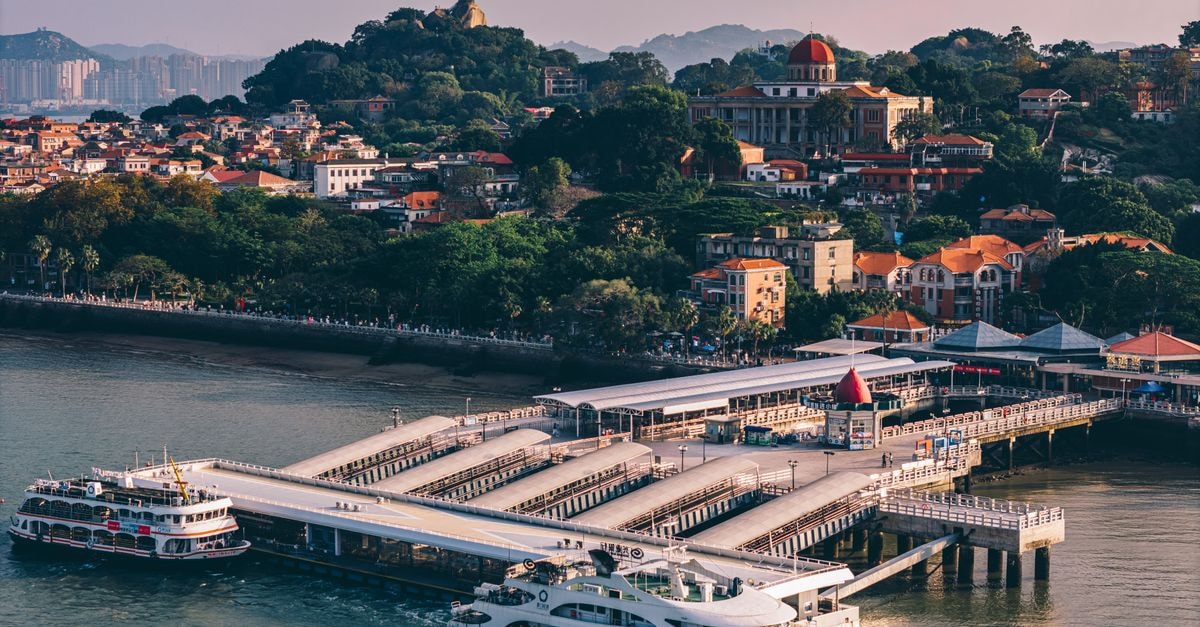
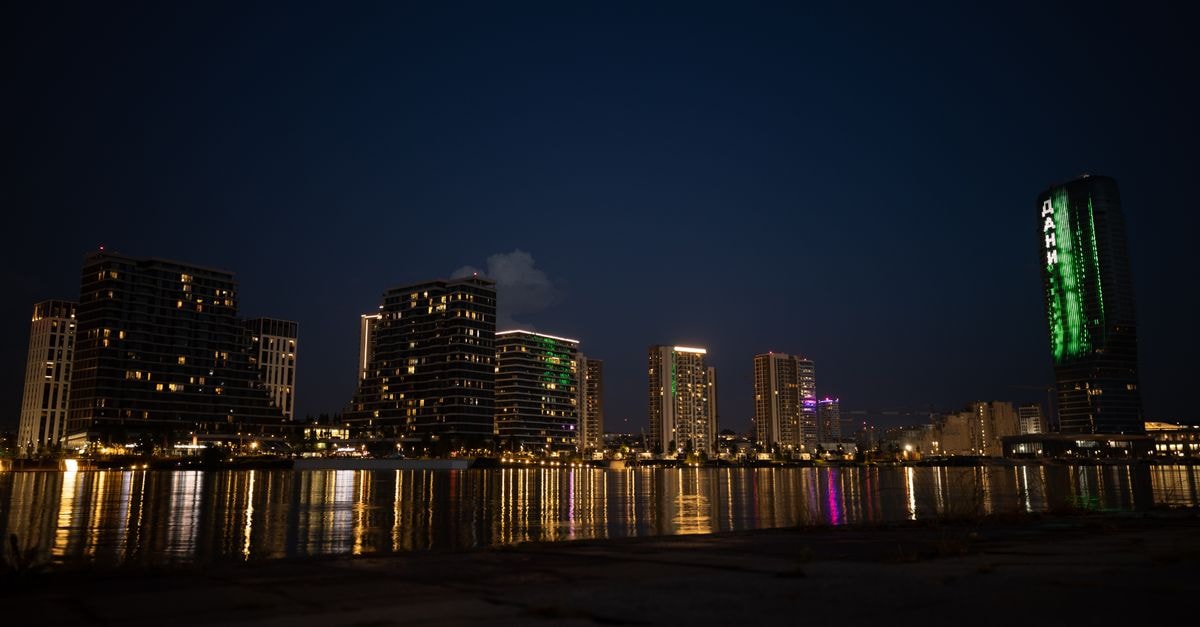
There's something a little disorienting about arriving in Shenzhen for the first time. Even travellers familiar with other Chinese cities often describe the feeling as suddenly modern, dense, and fast. The approved travel material frames it as a subtropical strip sitting between Hong Kong and the rest of Guangdong, home to roughly 18 million people, and a place where the day-to-day rhythm of streets, shopping streets and creative zones feels distinct from anywhere else in the region.
For visitors, that translates into a city that rewards curiosity. Theme parks, art districts, coastal stretches and night markets are all part of the mix, and the practical reality underneath is a dense urban environment designed for moving large numbers of people around efficiently. That intersection of leisure and logistics is what this guide unpacks — not as a checklist of must-dos, but as a grounded orientation to the city's scale, its weather feel, its transport texture, and the wider food culture you may encounter along the way.
Weather and seasonal context
Shenzhen sits in a subtropical climate zone, and the broad travel material simply gestures at that reality rather than promising any specific conditions. The southern Chinese setting between Hong Kong and the rest of Guangdong is the headline; the lived experience for visitors tends to be warmth, humidity and the kind of weather that encourages indoor pauses, late-afternoon outings and air-conditioned breaks.
Because none of the approved sources pin down a current temperature, a forecast or a specific seasonal pattern for any particular month, this guide treats the weather as a backdrop rather than a planning variable. Travellers who are sensitive to heat and humidity should plan their days with that in mind, layering in museum time, café stops or shopping districts during the brightest hours and saving outdoor wandering for the cooler stretches of morning and evening. Beach visits and coastal promenades can feel very different from a noon stroll through an open plaza, and pacing is often the difference between an energising trip and a tiring one.
Rain is part of subtropical life too, so a compact umbrella or a light rain layer is a sensible thing to keep within reach rather than packed deep in a suitcase. Beyond that, the city's subtropical setting is really a cue to dress lightly, drink water often and treat the climate as something to move with rather than fight against.
Getting around
The most important thing to know about Shenzhen before you start moving is that it's not a city built around private cars in the way some other large metros are. The reference material is quite blunt about this when it contrasts the city with the office-park-and-parking-lot landscape of Silicon Valley; Shenzhen is a vertical, high-density subtropical strip, and the practical upshot is that the public transport network does most of the heavy lifting.
Two long-distance rail lines pass through the city as part of the wider regional network: the Guangzhou–Kowloon Railway Line and the Xiamen–Shenzhen Railway Line. For most independent travellers, that's useful context rather than a daily need — it simply confirms that Shenzhen is well threaded into southern China's rail map, which makes arriving from neighbouring cities and regions straightforward.
Inside the city, the metro and bus network is the everyday backbone. According to the official Shenzhen government online information, there are several ways to pay for a metro or bus ride, which is a small but important detail for first-time visitors. Rather than assuming a single ticket window or a single payment app, it's worth arriving with a flexible mindset: payment options do exist in multiple forms, and the exact mix can vary by station, by service and by the way the local transport system is currently configured. The practical advice is to look at the signage at the station you arrive in, follow the local queueing patterns, and keep a small amount of local currency or a working payment method available while you settle in.
Taxis and ride-hailing remain part of the mix as well, but the metro tends to be the most predictable way to cover longer cross-city distances in a subtropical city where humidity can make surface transfers tiring. For short hops, walking is often surprisingly efficient in the central districts, because the urban form is dense and the distances between attractions, malls and food streets tend to be shorter than they look on a map.
Food and the wider cultural context
Food is where Shenzhen can feel most layered, because the city sits inside a country with one of the world's most celebrated and most varied cuisines. The wider China-focused travel material describes Chinese eating as something close to a cultural ritual — a country with a long history of dining etiquette, where mealtimes carry social weight well beyond simple nourishment, and where travel itself spans intangible crafts, cuisine, street life and ritual rather than just sightseeing. For visitors, this is less about memorising rules and more about reading the room.
How to use this guide on the ground
Read this as a starting orientation rather than a finished plan. The weather section is here to set expectations about humidity and pacing, the transport section is here to make sure you arrive knowing that the metro and bus network will likely carry most of your day, and the food section is here to frame eating as a cultural thread that runs through the wider country rather than a single signature dish.
From there, let the city surprise you. Shenzhen has a reputation for moving quickly and looking outward, and the most rewarding visits usually come from travellers who arrive with a sense of its scale, a flexible payment setup for transport, and an appetite — literal and otherwise — for whatever the subtropical evening brings.
*Travel conditions, transport payment options, opening patterns and the wider dining scene can change over time. Treat the details above as a grounded starting point, and check official channels and up-to-date local information before you travel so your plans reflect the city as it is on the day you arrive.*
Share this article
TOOLS FOR THIS PLAN
Make the Shenzhen plan measurable
Choose a tool only when it answers the next question in your trip. Your values stay in the browser, and each tool offers a route back to this planning context.