A first look at Urumqi

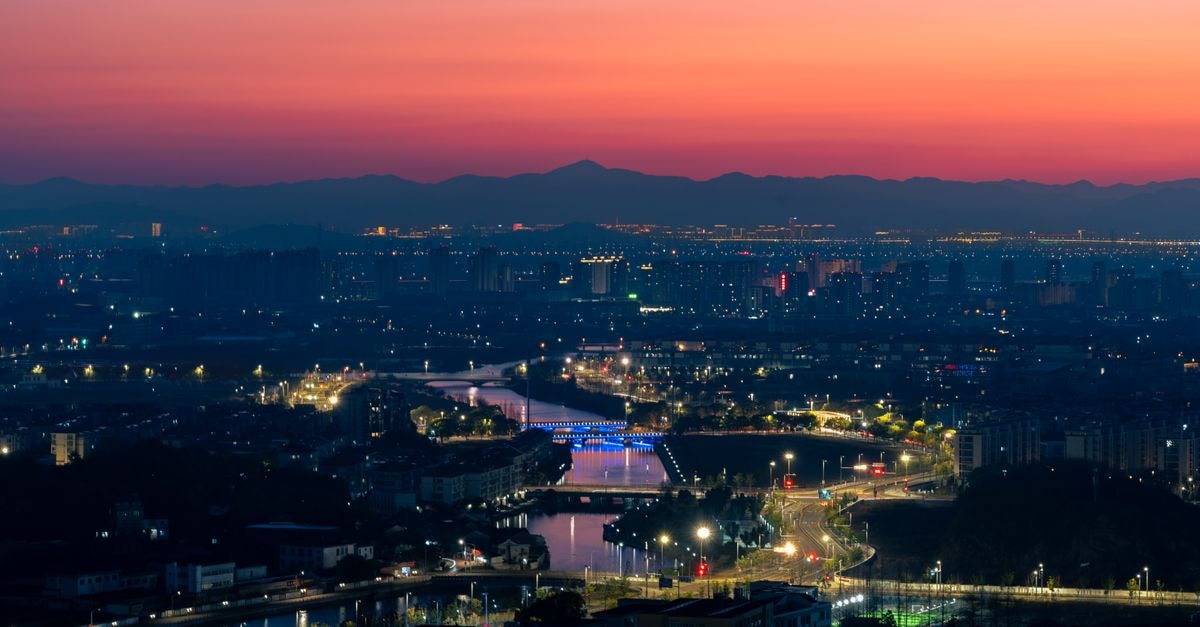
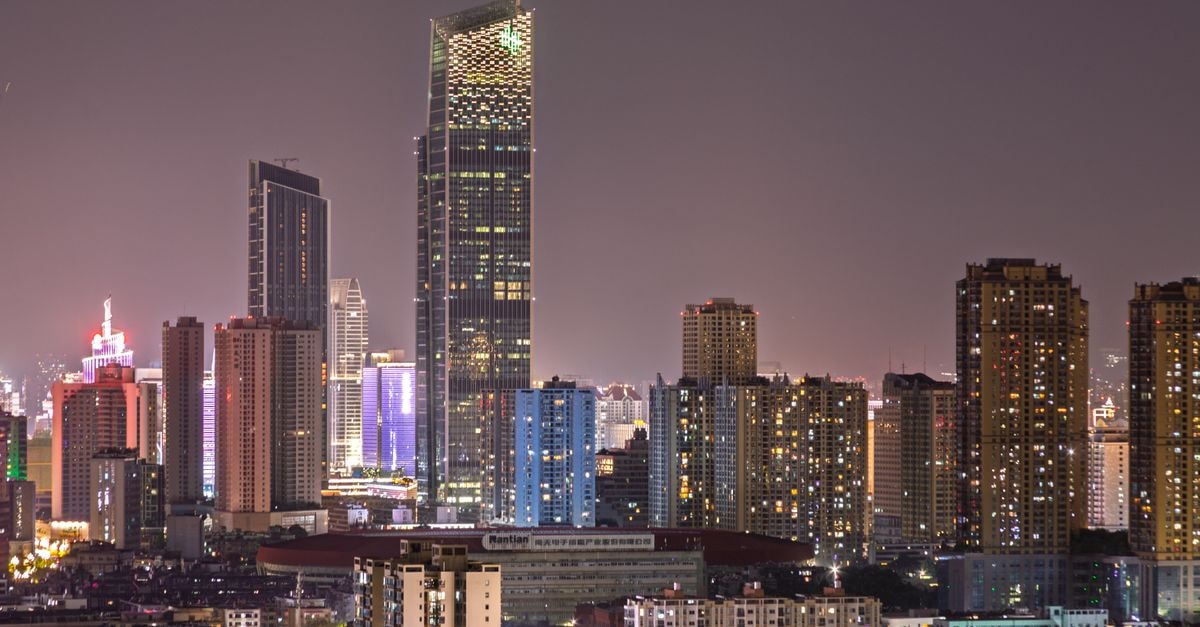
Urumqi sits in a wide valley on the northern edge of the Xinjiang region, ringed by mountains and split by a busy modern downtown. The city has long been described as a place where different peoples and landscapes meet, and that mix is what most first-time visitors notice first. It is also one of the more under-appreciated capitals in China for food and folklore, even though many travellers treat it as a brief stopover between flights and more famous Silk Road destinations.
If you give the city even a couple of full days, the rewards are tangible: museum rooms that explain the region's layered cultures, long evenings spent over shared plates, and the easy comfort of moving around a place that is large but genuinely welcoming.
Getting around
Urumqi's transport system is set up for a city that doubles as a regional gateway. Public transport, taxis, and car rental are the everyday options, and each one fits a slightly different rhythm of travel.
The city also has a few specialised transportation choices aimed at specific experiences or areas, which is useful to know if you are planning something outside the usual sightseeing loop. Travellers heading out of the city to nearby natural attractions will find that connections are described as comfortable and convenient, so the capital is not a difficult place from which to begin exploring wider Xinjiang.
What to see and how to plan
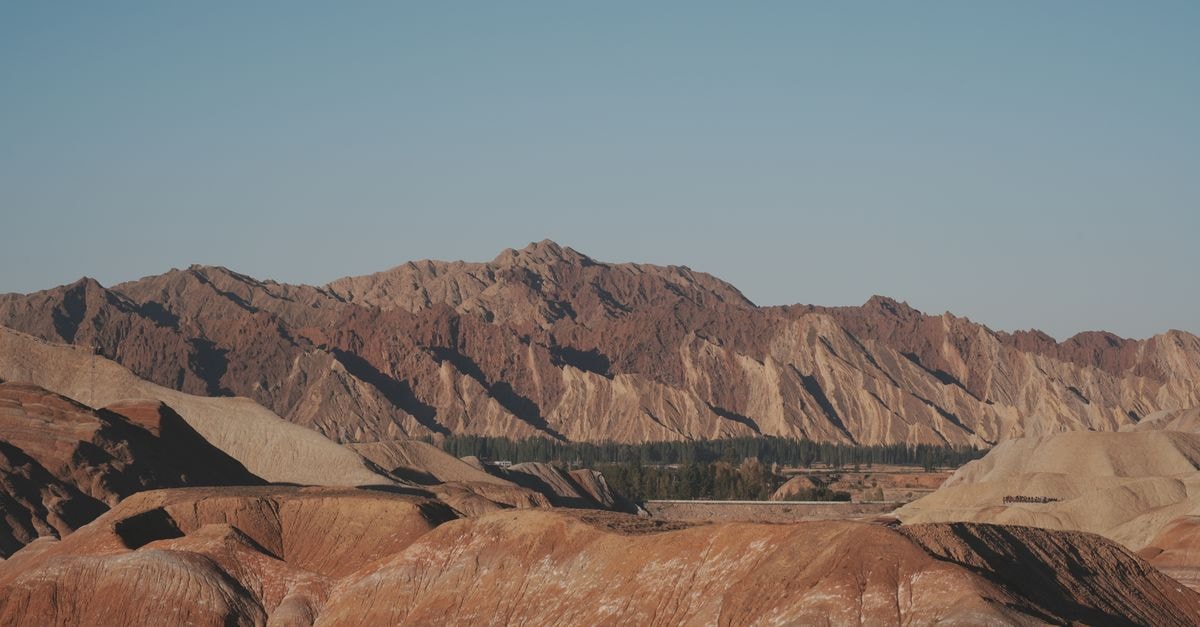
Urumqi is widely known for its diverse natural landscapes and folk culture, and that dual reputation shapes a sensible sightseeing plan. A practical rhythm is to spend museum hours indoors during the warmer part of the day and keep lighter walks for the cooler edges of morning and evening.
A natural anchor is the Xinjiang Regional Museum, which is regularly highlighted as the place to satisfy curiosity about the region's folklore and history. The collections cover Xinjiang's many cultural groups, and even a single focused visit gives a much richer context for everything else you will encounter on the streets and in the bazaars. Allow a slow morning here, especially if you enjoy reading exhibit text and photographs rather than rushing through galleries.
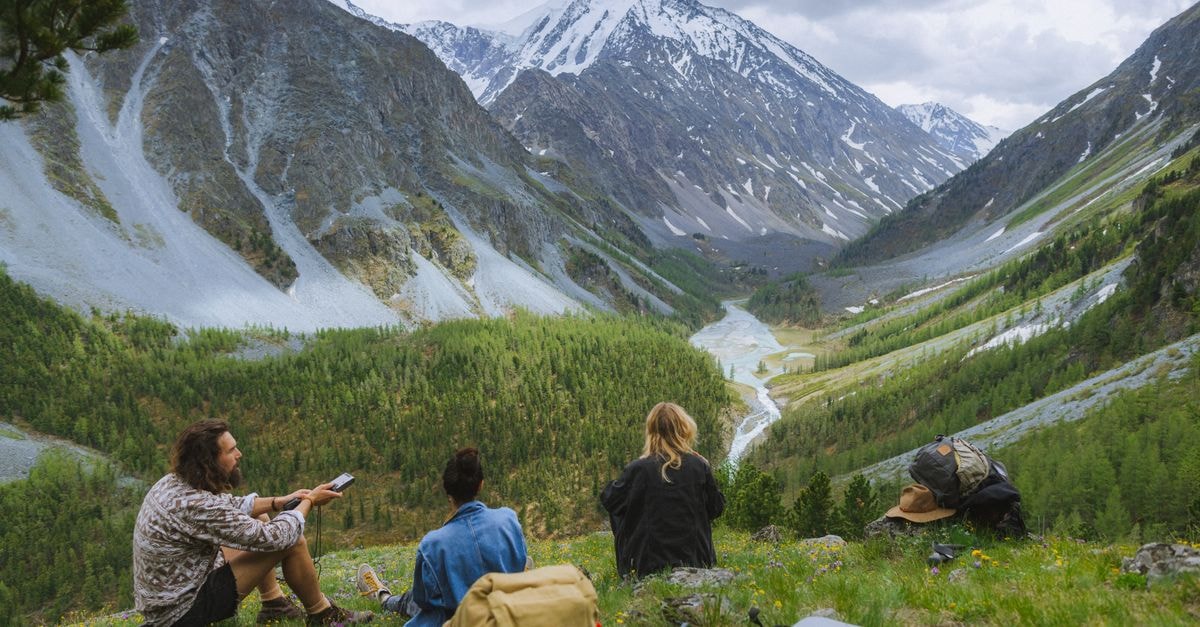
Beyond the museum, the city's identity is tied to the surrounding landscapes. Even travellers with limited time can feel the pull of the mountains, the open spaces, and the way local life stretches out toward them. Building your days around one indoor anchor and one outdoor moment usually leaves the best balance of energy and curiosity.
Food and local context
Food is one of the strongest reasons to linger in Urumqi. There is a real case for treating the city as a destination in its own right rather than a one-night stop between a flight and a longer journey further west. Most foreign visitors have traditionally rushed through, but the eating culture here rewards a slower pace and a curious appetite.
The signature dish to seek out is da pan ji, sometimes translated as big plate chicken: a generous chicken-and-potato stew served over wide noodles, built for sharing. Urumqi is known for doing this dish with particular enthusiasm, and it is the kind of meal that anchors an evening conversation as much as it fills the table. Order it for the group rather than per person, and pace it alongside bread, tea, and salads.
Equally important is the rhythm of eating in Xinjiang's capital. Evenings here tend to stretch late, and the night-market strips are where the city's food personality really shows up. The combination of a late-arriving crowd and the smell of grill smoke drifting across the street is widely considered the real Urumqi experience. Plan at least one dinner around a market strip rather than a sit-down restaurant; the energy, the people-watching, and the variety of skewers, breads, and sweets make it feel like a cultural visit as much as a meal.
A few practical habits help. Eat when locals eat, which often means later than you might expect. Sit where the queues are. And treat the night markets as a long, slow wander rather than a checklist of stalls.
How to spend your time well
The most enjoyable itineraries in Urumqi tend to share a simple shape: one museum-style morning, one walk through a bazaar or older neighbourhood in the late afternoon, and one long evening anchored by food. Because the city has plenty of comfortable transport for excursions further afield, you can also use Urumqi as a base for a relaxed day out into the surrounding countryside if energy and weather allow, then return to the same hotel for the night.
Keep days flexible rather than over-scheduled. The combination of museum context, market browsing, and unhurried meals is what gives Urumqi its particular texture, and that texture rewards visitors who leave room in the schedule for it.
A few final notes
Treat any opening hours, ticket details, and transport schedules as starting points to verify on the ground or through official channels before you rely on them. Conditions can shift with the season, with local events, and with operational changes, so a quick check close to your visit is always worth the effort.
Currency, payment habits, and small logistical details also vary across Xinjiang and across China more broadly. Carry some cash for smaller market stalls, keep your phone charged for translation and maps, and give yourself a buffer day at either end of the trip if your plans continue beyond the city.
Above all, give Urumqi more than a single night. The city rewards the kind of traveller who slows down, asks questions, and lets the food, the museums, and the mountain air set the pace.
This guide reflects factual travel conditions that can change. Please verify details through official channels before departure.
Share this article
TOOLS FOR THIS PLAN
Make the Urumqi plan measurable
Choose a tool only when it answers the next question in your trip. Your values stay in the browser, and each tool offers a route back to this planning context.