A riverside Anhui city with a slower pulse

Chizhou sits along a river in southern Anhui and has the relaxed tempo of a city that doubles as a gateway rather than a destination on most itineraries. Travelers who do stop here tend to be heading toward the mountains, the temples, or simply looking for a calmer base than the busier Anhui hubs. The city itself is anchored by Guichi District, the urban center, and it is easy to picture a few unhurried days spent walking along the river, sampling local cooking, and then setting out toward the trails that give the region its reputation.
If you are researching things to do in Chizhou, the most useful thing to know upfront is that the city is best understood in two layers: the relaxed urban core along the river, and the mountain scenery just outside it. Planning with that rhythm in mind makes the visit feel intentional rather than rushed.
Getting there and arriving by train or coach
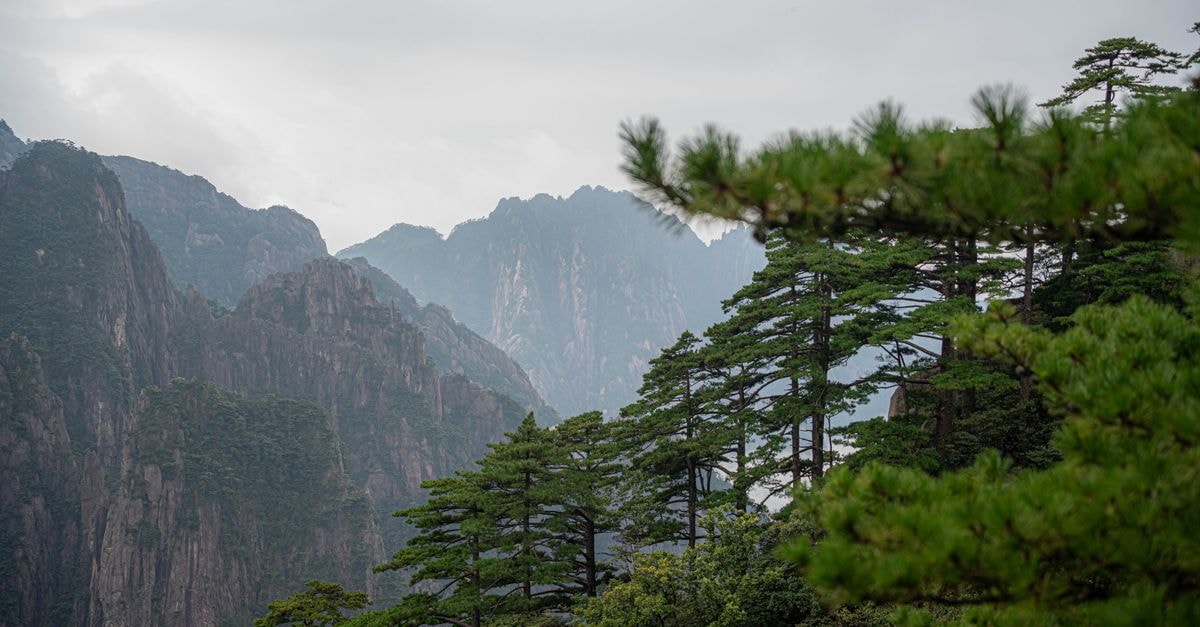
If you are assembling a wider Anhui itinerary, Chizhou slots in naturally as a stop between the bigger transport hubs and the mountain areas to the south. The city itself is best known as the gateway to Mount Jiuhua, a major Buddhist pilgrimage site with misty peaks and temple trails, which shapes how many travelers think about their arrival. Knowing that the mountain is the cultural anchor helps you decide whether to base yourself in the urban district for a quieter city stay or push directly out toward the trails.
Getting around Guichi District and beyond
Once you are in Chizhou, public transport covers most of the urban areas of Guichi District, which functions as the city center. Buses are the practical backbone of short trips around town, and for visitors this means you can move between the riverfront, accommodation areas, and local food streets without much friction. Bus routes are described in approved sources as covering most of the urban areas of Guichi District, rather than as a network judged primarily by its reach toward the surrounding mountains.
What to see and how to plan the attractions
Chizhou's attractions are usually approached as a short list rather than a packed schedule. The city is framed by travelers and trip planners as a base with a ranked set of places worth seeing, with a top-10 list of attractions in Chizhou commonly used as a starting reference for visitors. That kind of curated approach tends to suit the city well: a few cultural stops around the district, perhaps a riverfront walk, and then the mountain scenery that gives the region its identity.
Because the city is widely known as the gateway to Mount Jiuhua, with its misty peaks and temple trails, most travelers build their attraction planning around that single big idea. You can treat Chizhou itself as a low-key cultural stop and dedicate the more ambitious days to the mountain, or you can split your time evenly between city wandering and trail time. Either approach works, but it helps to know going in that the mountain is the headline experience and the urban district is the calmer supporting act.
Food and local dining context
The food scene in Chizhou is best approached with patience. Culinary experiences aimed specifically at international visitors are limited: cooking workshops and gastronomy tours are not widely available for international tourists in the city, which means most dining here happens in regular restaurants and local spots rather than through structured food tourism. For travelers who enjoy stumbling into places on their own, that is actually a comfortable setup.
Wider Chinese dining customs often shape what you will encounter in restaurants across Anhui province and beyond. Sharing dishes family-style, ordering a spread rather than individual plates, and letting the table choose together are common patterns visitors may run into while in Chizhou. Tea is also a frequent companion to meals in this part of China, and you will often see it arrive automatically with the meal. If you are not used to this style of dining, expect to point, ask, and lean on simple gestures more than on an English menu, especially outside the most tourist-oriented restaurants.
Practical notes for a smooth visit
A few evergreen details tend to make the difference between a forgettable stop and a genuinely pleasant one. First, plan your arrival and departure around train connections, since high-speed rail is the most efficient way into and out of the city from other parts of Anhui and Jiangsu. Second, decide whether you want a car or bike for any out-of-district exploring, since the bus network is most useful inside Guichi District. Third, treat the mountain as a half-day or full-day excursion and the city as a calmer base, rather than the other way around.
A quick verification note
Travel conditions can change, and details such as transport schedules, rental availability, and attraction access should be confirmed through official channels before you set out. This guide is built around the durable character of the city rather than any specific date, so use it as a framework and check the practical details closer to your trip.
Share this article
TOOLS FOR THIS PLAN
Make the Chizhou plan measurable
Choose a tool only when it answers the next question in your trip. Your values stay in the browser, and each tool offers a route back to this planning context.