A first look at Lu'an

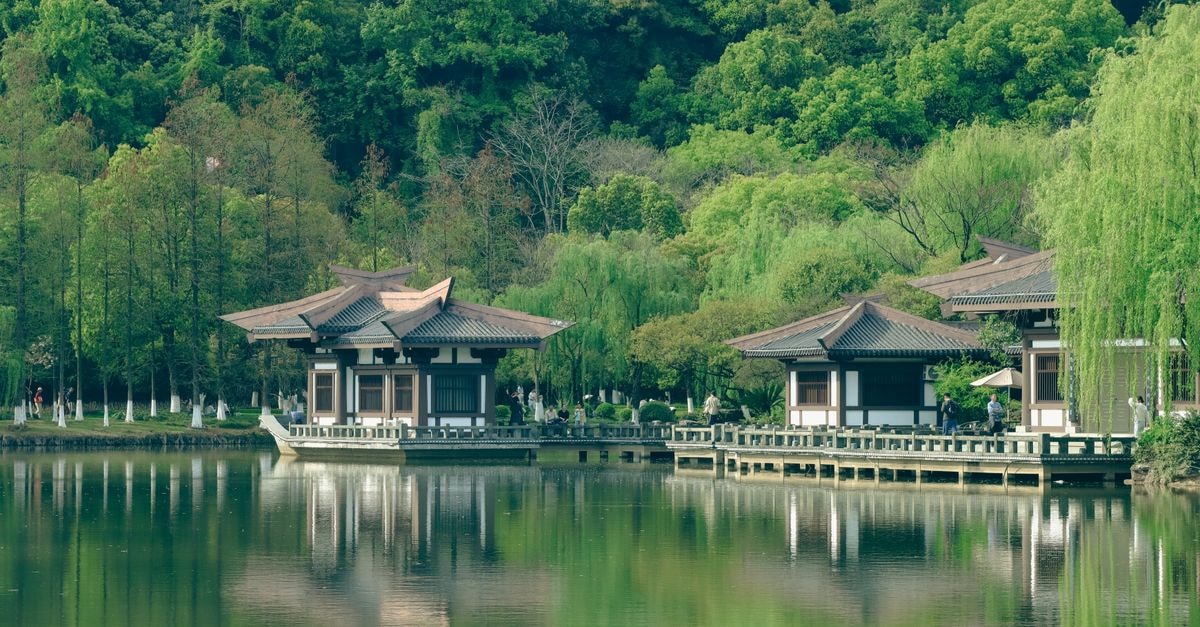
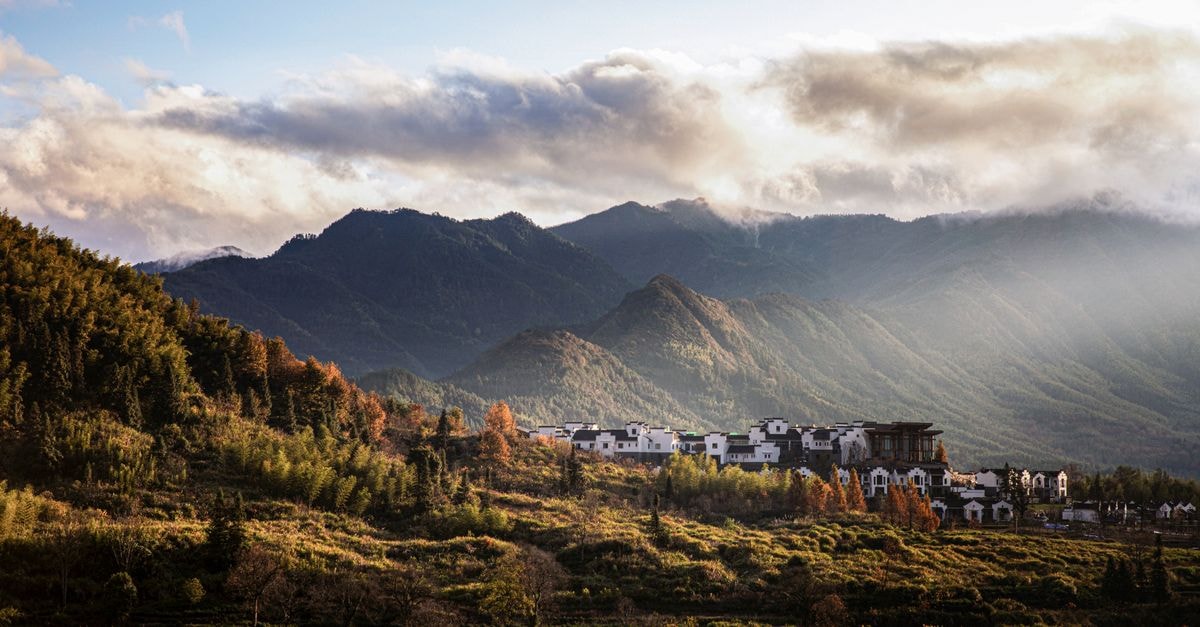
Tucked into the western part of Anhui Province, Lu'an carries the older regional name Wanxi, a quiet reminder that this corner of the province has long kept its own pace. The city sits in the basins where the Yangtze and Huai river systems meet, which gives it a softer, greener profile than travelers might expect from inland China. It is described as a place where ancient heritage meets the picturesque landscapes of eastern China, and where mountains, history, and everyday life feel close enough to walk between.
Lu'an has been promoted under the tagline "Lu'an: Where Green Mountains Meet Red Heritage," a phrase that hints at the two big textures of a visit: green, river-cut scenery, and the deep red of revolutionary-era memory that runs through much of Anhui's modern story. The city has reported strong year-on-year growth in inbound tourist arrivals, a sign that more travelers are starting to look this way. That momentum is useful context: it suggests the basics for visitors are being invested in, but it also means a thoughtful traveler should arrive ready to slow down rather than chase a packed checklist.
Weather and seasonal context
Lu'an's setting between the Yangtze and Huai basins shapes its climate as much as its scenery. The city is widely referred to as Wanxi for its western Anhui position, and it sits in a region known for clear seasonal shifts. The surrounding terrain, river basins, and mountain folds tend to soften summer heat and sharpen winter cold, but without direct temperature figures for any specific month, the honest move is to plan for general conditions and pack with flexibility.
In summer, humidity can feel heavier because of the river-basin geography, so early mornings and late afternoons are typically the most comfortable windows for being outdoors. In shoulder seasons, layered clothing tends to be the practical choice, as mornings in the hills can feel brisk even when the lowlands warm up quickly. None of this is unusual for the region, but it rewards a traveler who builds a slower rhythm into the day rather than trying to sprint between sights.
The broader takeaway is simple: Lu'an rewards a paced approach. Rather than chasing a tight schedule, think in terms of long breakfasts, unhurried walks, and a few deep stops rather than many shallow ones.
Getting around and tourism momentum
Lu'an's tourism identity has been actively shaped in recent years, with the city branding itself around the idea of green mountains meeting red heritage. That focus is more than marketing language; it has been tied to visible efforts to enhance the appeal of the local tourism brand, and the city has reported strong year-on-year growth in inbound arrivals. For a visitor, this signals two practical things.
First, the tourism infrastructure is being actively upgraded, so basic services around major sights and the city core are likely to be in better shape than older guidebooks suggest. Second, because the promotion centers on landscape and heritage rather than on a high-volume urban circuit, getting around tends to involve a mix of city transport and longer drives into the surrounding hills. Travelers who like the idea of pairing a city base with day visits into quieter countryside will find that approach fits Lu'an naturally.
Attractions and planning
The practical backbone of any Lu'an visit is a small, well-chosen set of anchors rather than a long list. Rather than chasing a string of named venues, the better approach is to slow down and let the landscape do the work. The western Anhui setting, where the Yangtze and Huai basins converge, produces layered mountain scenery, river-cut valleys, and quiet villages that reward unhurried exploration on foot. Pairing a city base with day trips into the surrounding hills tends to be the most natural way to experience the region.
Local flavor and identity
One signature local touch worth knowing about is Lu'an Melon Seed Tea, a regional specialty that often shows up in the conversation about the city even before visitors arrive. It is the kind of detail that helps orient a traveler, not because it dictates an itinerary, but because it gives Lu'an a flavor that is distinctly its own within Anhui. Around the city, that quiet specificity carries through into the way daily life unfolds, from small tea houses to the unhurried way people gather in the evening.
Food and local context
Lu'an sits inside one of the world's most talked-about food cultures, so eating here is less about a single famous dish and more about the texture of daily meals. Across China, food is treated as a serious pleasure and a social ritual, and dining carries a long history of etiquette and shared practice. Visitors to Lu'an will step into that wider culture in small, everyday ways: the way tea is poured, the way dishes arrive at the center of the table, the way meals stretch into long conversations.
A practical approach is to let meals follow the day rather than lead it. Try regional teas where they are made, eat where locals eat, and treat the dining table as part of the sightseeing rather than a break from it. The etiquette around shared dishes, pouring for others, and respecting the pace of a meal is part of the experience, and following it tends to make every meal feel more generous.
A practical note before you go
Conditions on the ground evolve, so treat the details in this guide as a starting frame rather than a fixed plan. Hotel availability, transport options, and the way specific sites are accessed can shift, and it is always wise to confirm the latest arrangements through official channels before departure. For any checkable detail, a quick check with local tourism offices or your hotel concierge will save surprises.
Lu'an is at its best when it is approached as a place to settle into rather than race through. The mountains, the heritage, and the slow tea culture all reward a traveler who gives the city room to breathe.
Factual travel conditions can change; please verify details with official sources before your trip.
Share this article
TOOLS FOR THIS PLAN
Make the Lu'an plan measurable
Choose a tool only when it answers the next question in your trip. Your values stay in the browser, and each tool offers a route back to this planning context.