A first look at Huangshan

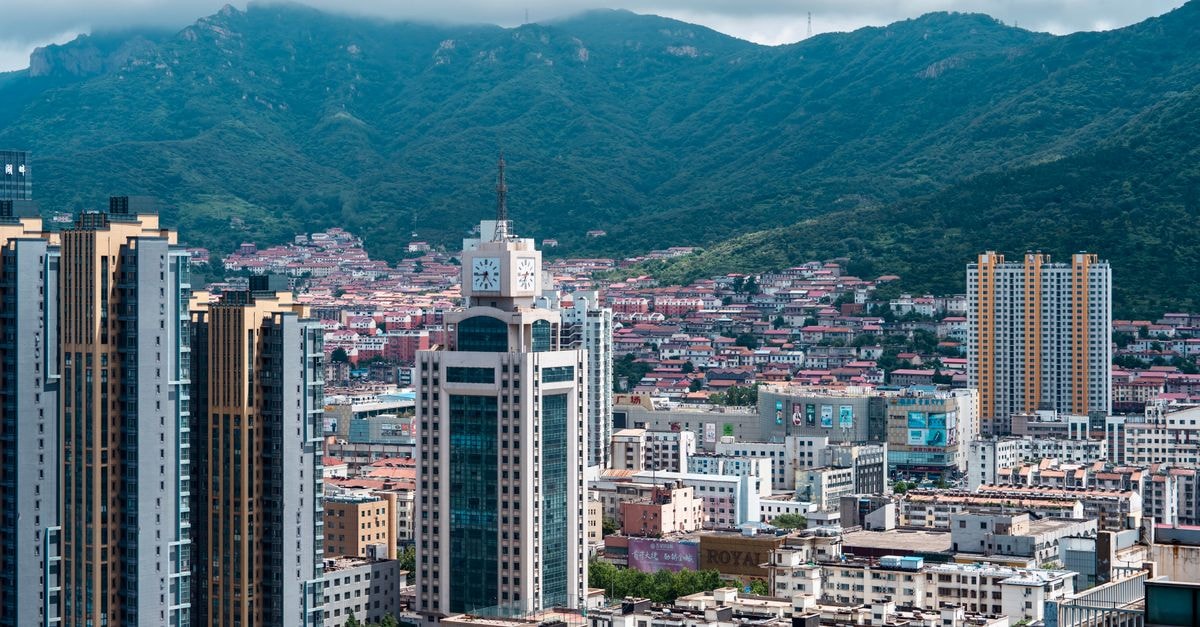
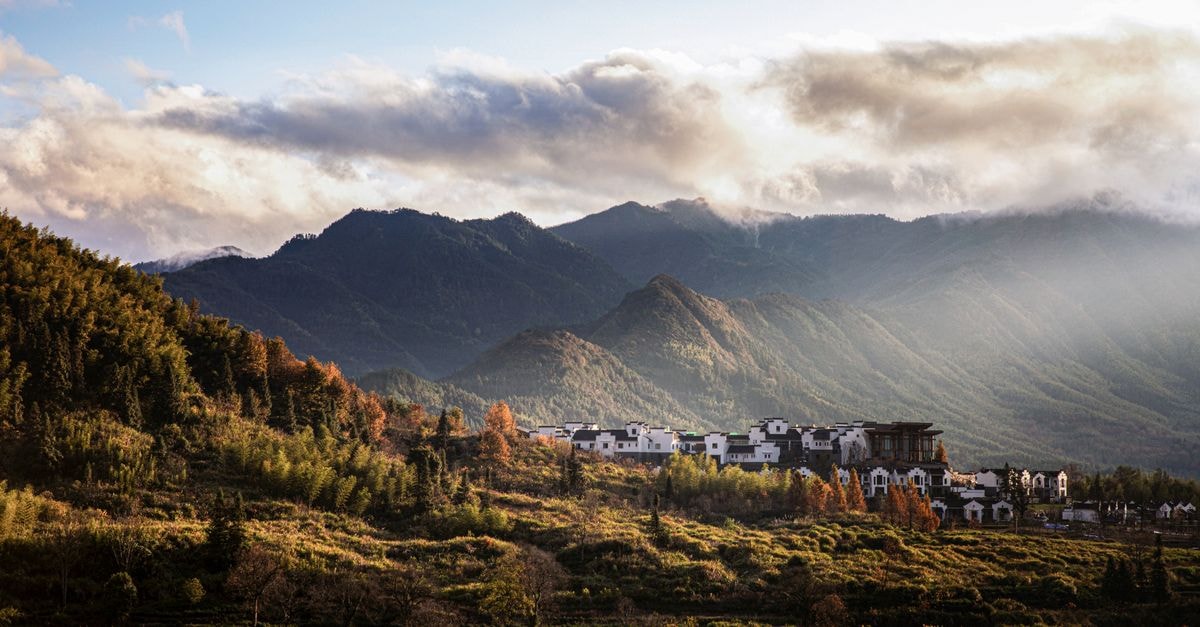
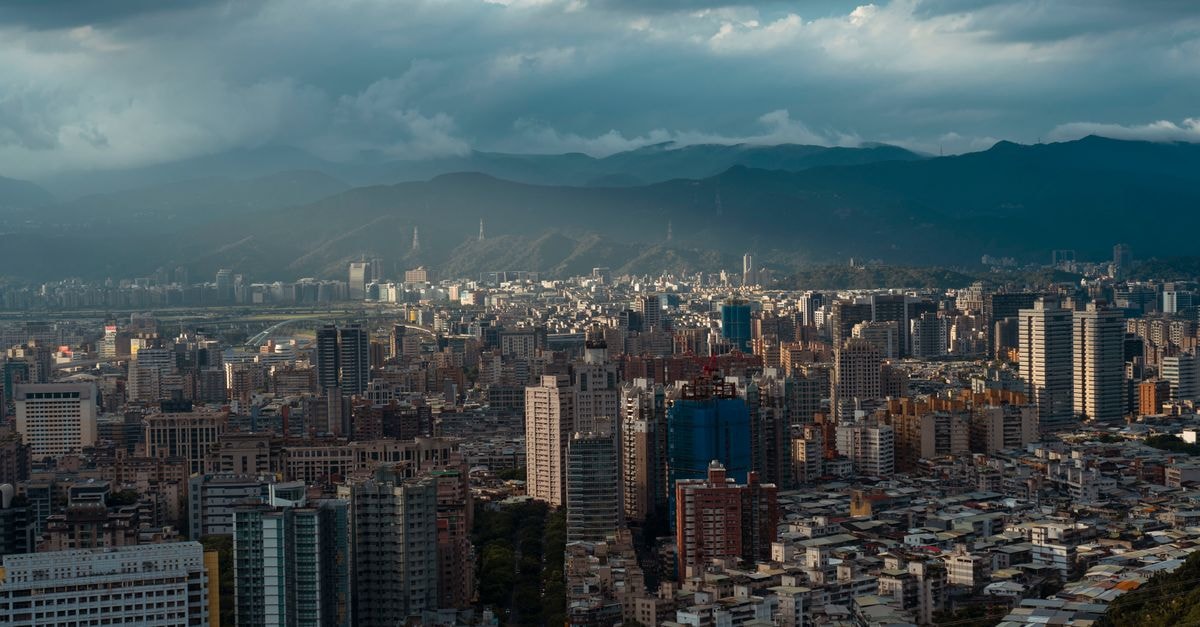
There is a particular pleasure in arriving at a place where the mountain and the city share a name. Huangshan, in southern Anhui, is best known to travelers for the dramatic peaks and seas of cloud that draw visitors from across China and beyond, but the city at the foot of those mountains has its own quiet rhythm. Think of stone-paved lanes, slow afternoon light, and a food culture shaped by the surrounding forests and streams.
Before any itinerary takes shape, it helps to know how the place fits together. The city below, sometimes referenced as Tunxi, is where most travelers stay, eat, and connect onward. The mountain above is a different world, with a climate all its own. A little planning around that contrast is what makes a Huangshan trip feel relaxed rather than rushed.
Weather and seasonal context
Huangshan has a mountainous microclimate that differs significantly from the city of the same name at its base. That single detail shapes almost every practical choice a visitor makes, from what to pack in a day bag to whether to plan the mountain leg of a trip early or late in the day. Conditions on the upper slopes can feel cooler, damper, and more changeable than the lower elevations, even when the city below seems pleasant.
For a broader sense of timing, Huangshan is generally framed within wider seasonal guidance for China. Travelers who are flexible can use that wider pattern to choose a window that suits their mood, whether that is the clarity of cool-season days or the lush green feel of warmer months. The practical advice here is simply to expect two weather experiences in one trip: one for the city and one for the mountain.
A useful habit is to dress in layers you can add or peel back, and to think of the mountain segment of the journey as the cooler chapter. Slower pacing, a waterproof outer layer, and comfortable shoes tend to serve visitors well regardless of the season they arrive in.
Getting around
Huangshan is well connected for a city of its size, with options that suit both independent travelers and those who prefer to be met on arrival.
By air, Huangshan Airport sits within the broader transport network of the region, and shuttle or transfer options link it to central areas. Within the city, two main railway stations serve travelers: Huangshan Railway Station and North Railway Station. North Railway Station is the high-speed stop, and from here major rail lines reach a wide list of destinations including Beijing, Shanghai, Hangzhou, Nanjing, Hefei, Changsha, Guangzhou, Shenzhen, Xiamen, Fuzhou, Guiyang, Kunming, Nanchang, Luoyang, Zhengzhou, Jinan, Tianjin, Suzhou, Xian, Yichang, and Hong Kong. Long-distance buses complement the rail network, with two main bus stations in the city, one in the city center and one at the foot of the Huangshan Mountain Scenic Spot.
For shorter hops inside the city, local public transport and taxis handle most needs. Several routes connect key points, including Tunxi Ancient Street, the city's high-speed railway station, and Huangshan Tunxi International Airport, which makes moving between the historic lane-side area and the main transport hubs straightforward. Dedicated tourist buses operate frequently from Tunxi (Huangshan City) and the city's high-speed railway station to Tangkou Town, the gateway settlement used by visitors heading up to the mountain. That dedicated service is worth knowing about in advance, as it removes the need to arrange private transfers for that specific leg.
A simple way to think about arrival logistics is to decide whether a stay will be based in the city or in Tangkou. City-based stays offer more dining and evening atmosphere; Tangkou-based stays put travelers closer to early-morning departures for the mountain. Either works, and the bus links make it easy to move between the two.
Food and local context
Huizhou cuisine is the flavor of the region, and a few dishes tend to anchor any first visit. Among them, fragrant mandarin fish is blended with fresh or dried bamboo shoots and is often described as a local signature worth seeking out. Stone frog and stone ear, a mountain stream frog and a rare edible fungus respectively, come together in a signature Huizhou dish that leans on two prized mountain ingredients and reflects the forested landscape around the city. Smelly Mandarin Fish and Huangshan Odorous Bean Curd are other regional names travelers will encounter on menus, and they sit within a broader tradition of boldly flavored preserved and fermented dishes common across Chinese cooking.
For a sit-down meal in the old town area, Laojie Diyi Lou, sometimes translated as The First on the Ancient Street, is one of the most popular places for traditional Hui dishes and offers a useful first stop for travelers who want a single dependable setting near the historic lanes. Beyond that, Tunxi Ancient Street and its surroundings are the natural place to graze, with small stalls and family kitchens turning out regional staples throughout the day.
It helps to approach meals in Huangshan as a small tasting menu rather than a single grand dinner. A bowl of bamboo-shoot noodles, a plate of the local mandarin fish, and a side of the region's distinctive bean curd together tell the story of the place, and they are easy to find without much searching.
Planning notes and practical reminders
Two small habits tend to make a Huangshan trip feel smoother. First, treat the mountain and the city as two separate packing moods, even though the journey between them is short. Second, decide early whether the main base will be Tunxi or Tangkou, and let that choice shape arrival transport rather than the other way around.
Factual travel conditions can change over time, and details such as schedules, services, and on-the-ground availability are best confirmed through official channels before departure. Where prices, timetables, or entry requirements come up in planning, a quick check closer to the date of travel is always worthwhile.
Share this article
TOOLS FOR THIS PLAN
Make the Huangshan plan measurable
Choose a tool only when it answers the next question in your trip. Your values stay in the browser, and each tool offers a route back to this planning context.