A first look at Cholula

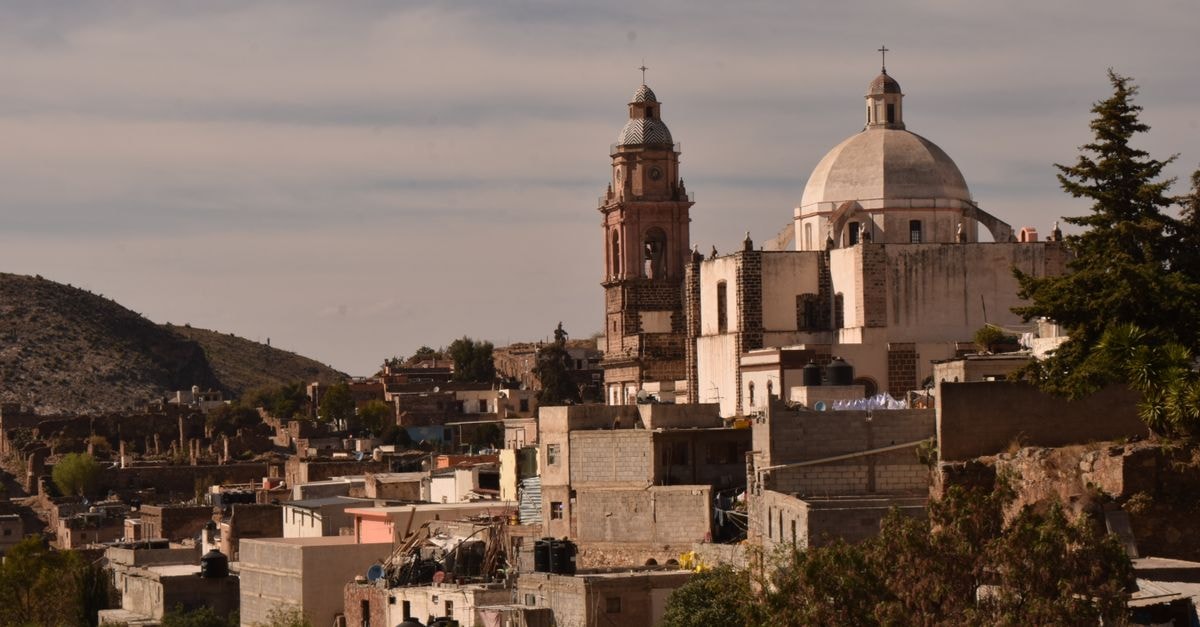
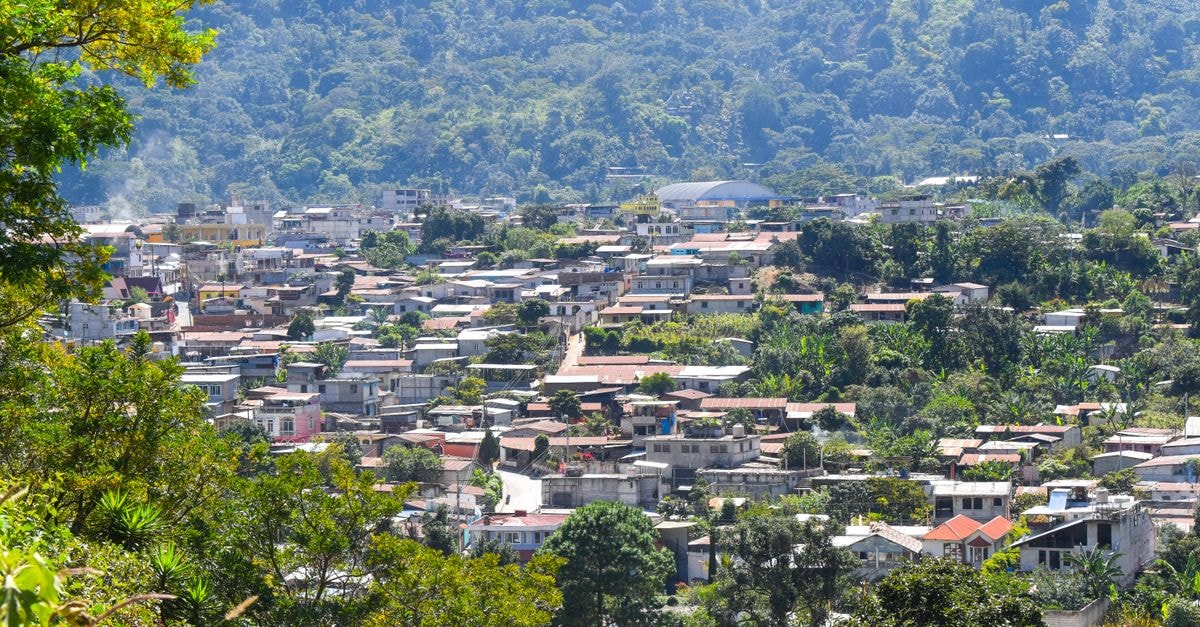
Cholula has a way of revealing itself in layers. Beneath its streets and churches sits one of the most talked-about archaeological sites in central Mexico, and the whole town is built around it. That layered character, where pre-Hispanic roots and a strong Catholic heritage share the same ground, is what most visitors find memorable about a stop here.
What makes Cholula feel different from a quick day visit is that the town itself is the attraction. The archaeological zone and the great church on top of it anchor the center, and the rest of Cholula stretches out on both sides of that central landmark. Knowing that basic layout is genuinely useful before you start walking.
Two sides of one town
A useful piece of orientation before you arrive: Cholula is divided into two separate parts by the archaeological site and church that sit in the middle. Travelers often discover this only after they have walked a few blocks in one direction and realized that the restaurant, market, or hotel they were heading to is actually on the other side. Taking a quick look at a map and identifying where the central pyramid and church complex sits will save some backtracking.
Because the town is structured this way, it helps to think of Cholula less as a single plaza and more as two neighborhoods meeting in the middle. Each side has its own feel, its own churches, and its own rhythm, and the central zone is what joins them.
Attractions and planning
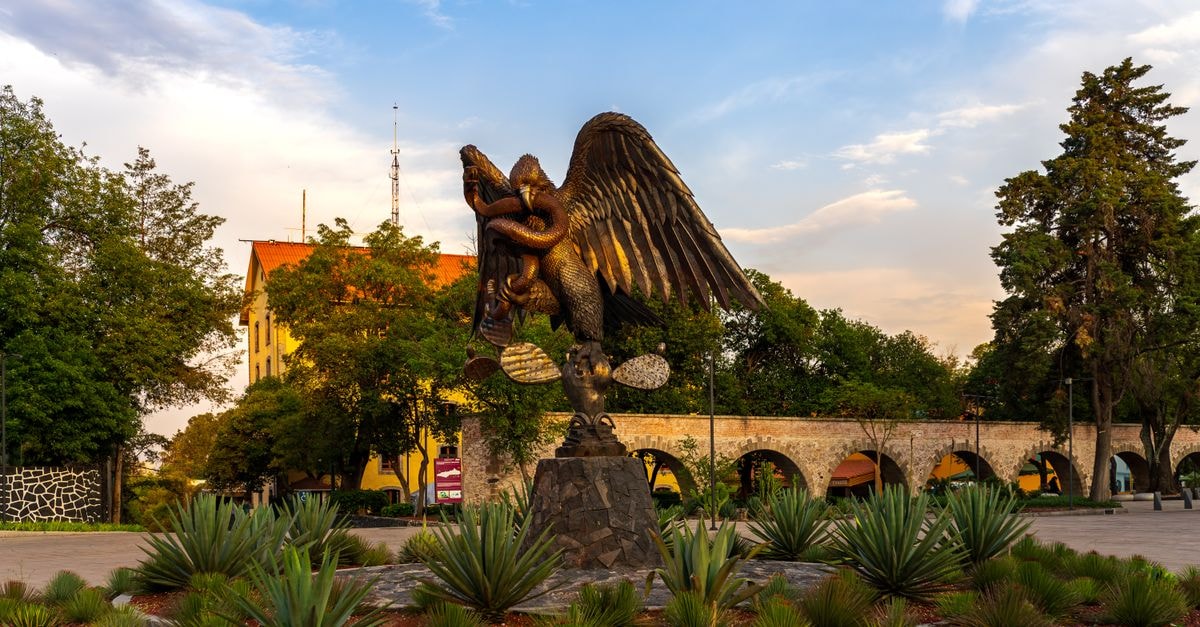
The single most famous landmark in Cholula is the great pyramid complex, often called simply the Cholula Pyramid, with the church built on top of it. Visitors come for the sheer visual of a hill that is actually a temple, and for the experience of walking around a site that is much larger than it first appears. If you want to slow your visit and add context, the Museo de Sitio de Cholula is described as a smaller museum worth visiting for those who want more information about the pyramid itself, which can suit travelers who like to understand the history behind the stones rather than just photograph them.
One detail that surprises almost every first-time visitor is the number of churches. Cholula has 37 churches, a figure that stands out for a city of its size. The reason is historical: when the Spanish arrived, temples were built over the indigenous sanctuaries here, and that pattern of construction left the town with an unusually dense religious landscape. For travelers interested in colonial-era architecture and quiet, photogenic interiors, simply walking between a few of these churches can easily fill an unhurried afternoon.
When planning your visit, it helps to anchor yourself around the central archaeological site first, then let the rest of the town unfold from there. The two halves of Cholula connect through this central zone, so identifying it on a map at the start of your day will make the rest of your wandering feel more intuitive.
Food and local context
Food is one of the most enjoyable ways to get a feel for Cholula, and the local cuisine is described as having a rich heritage rooted in both indigenous and colonial history, which is a polite way of saying that the recipes carry both pre-Hispanic and Spanish influences. For travelers who want to taste that heritage rather than just read about it, two practical starting points are repeatedly mentioned in local guides.
The first is the Mercado de Cholula, the local market. Markets are often the most honest introduction to a town's everyday food culture, and Cholula's market is a good place to see what people actually eat here, from prepared dishes to ingredients you might not recognize at first glance. If you enjoy bustling stalls, fresh produce, and the kind of low-key sampling that happens when you simply point at something and ask what it is, the market can be a highlight in itself.
The second is the dish the town is most closely associated with: chalupas. In Cholula, chalupas are a local specialty, and for visitors who want to try them in a straightforward, authentic context rather than in a polished restaurant setting, two specific places are mentioned. Chalupas de Don Chayo is named as a spot to try the dish, and the Mercado de Cholula is also described as a place where local vendors offer an authentic street food experience, including chalupas. Both options suit travelers who prefer casual, locally rooted eating over formal dining.
In wider Mexican food culture, street food and market stalls are a common way of experiencing regional flavors, and visitors in Cholula will encounter that pattern in everyday form. It is worth arriving with an appetite and a little patience, because the best market meals often involve a short wait and some pointing across the counter.
A few practical notes for your visit
A simple way to plan a day in Cholula is to start at the central archaeological site and church, take time at the museum if you want context, then choose one side of town for a longer walk through churches and neighborhoods, and finish with a meal at the market or at one of the named chalupa spots. This is less an itinerary than a way of stringing together the parts of Cholula that the approved sources actually support.
Because the town is split into two parts by the central archaeological zone, it is worth checking in advance which side of Cholula your accommodation, if any, is on, and whether the restaurants and market you plan to visit are on that same side. This small bit of orientation often matters more than any single attraction choice.
If you have a particular interest in food, give yourself extra time at the market rather than treating it as a quick stop. Markets tend to be liveliest in the morning and into the early afternoon, and the Mercado de Cholula is the kind of place where a longer visit usually means more tastings and a better sense of local life.
If your interest leans toward history and archaeology, pairing the pyramid complex with the Museo de Sitio de Cholula, and then walking between a handful of the 37 churches, tends to give a satisfying picture of how the town evolved from its pre-Hispanic foundations through the colonial period and into the present.
Verification note
Travel details such as opening hours, ticket prices, and the exact schedule of any specific market stalls or named eateries are not included here, because the available evidence does not state them. Before your visit, it is worth checking current opening times for the archaeological site, the museum, and any specific restaurant or market stall you plan to visit, as well as confirming local transport options and any entry fees through an official or recently published source. Factual travel conditions can change, and official channels should be checked before departure.
Share this article
TOOLS FOR THIS PLAN
Make the Cholula plan measurable
Choose a tool only when it answers the next question in your trip. Your values stay in the browser, and each tool offers a route back to this planning context.