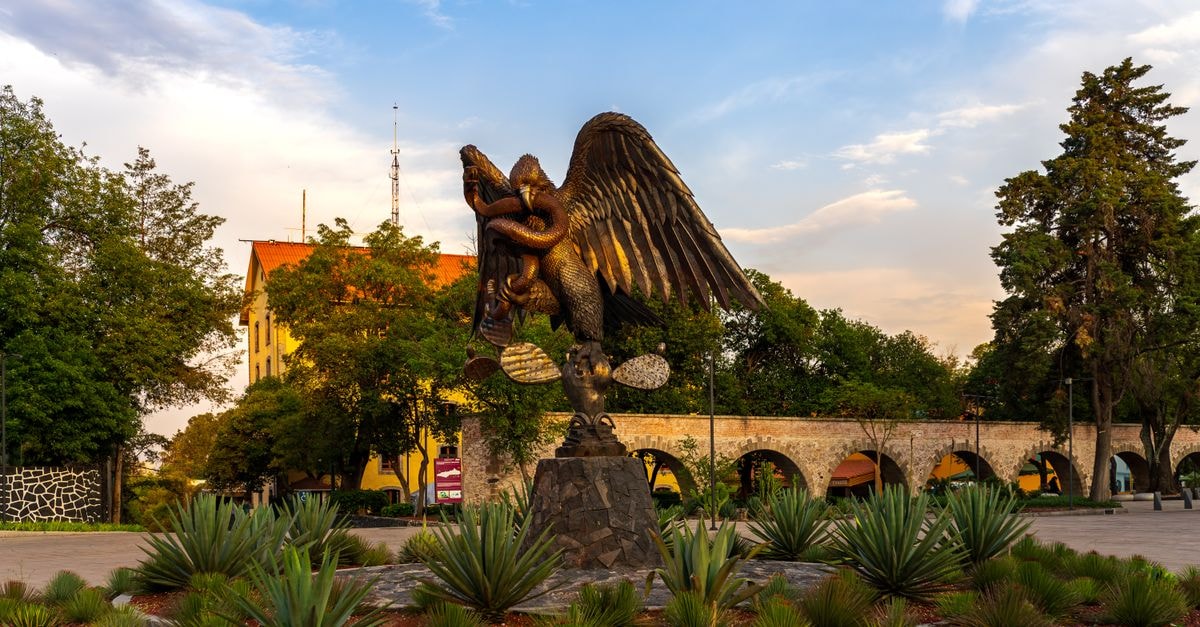
A softer welcome south of the capital

Cuernavaca has long drawn travelers looking for a Mexico that feels unhurried, leafier and gently historic. Set in the state of Morelos, the city is often described as a quiet counterpoint to the capital, with a reputation built around colonial architecture, green spaces and a generally mild climate. For visitors who like their travel days paced between a shaded park bench, a slow museum visit and a long lunch, the city has an easy, restorative feel that rewards lingering.
This guide focuses on what the documented record actually supports: the broader character of the place, the layered history tied to the Palacio de Cortés, the gentle climate pattern visitors tend to encounter, and the wider Mexican food and family customs you may notice around you. Think of it as a starting frame, not a checklist.
Weather and seasonal context
Cuernavaca's climate is one of its quiet luxuries. The city sits in a region where warm, sunny days are the norm rather than the exception, and where the rhythm of the year tends to favor being outdoors. Travel planning notes focused on the area often highlight a dry, mild window that stretches across several months, with gardens and terraces feeling comfortable for much of the daylight hours. If you prefer climates that invite long walks between sights rather than rushing between air-conditioned rooms, the city may suit you well.
Because rain and cooler spells can still arrive, a light layer for evenings and a small umbrella in your day bag are sensible touches. Travelers who dislike humidity may find the dry, mild period especially appealing, while those who do not mind occasional showers can usually continue with outdoor plans with only minor adjustments. The overall character is gentle rather than extreme, which is why many visitors describe the city as a comfortable base for slow exploration.
A palace that holds layers of history
The Palacio de Cortés is the single most documented landmark in any introduction to Cuernavaca, and for good reason. The palace was constructed by the Spanish conqueror Hernán Cortés in 1533, with his wife making it her home and their children born there. That single fact anchors the building's emotional weight: it is not just an ornamental palace but a personal residence of one of the most consequential figures of the conquest era, set against a Mexican landscape already rich with pre-Columbian history.
Over the centuries, the palace was expanded and adapted. The same building that began as a private home went on to serve as a prison and later as a city hall, before taking on its current role as a cultural landmark. Visitors who enjoy places where one structure carries multiple chapters of a country's story may find this layered history especially compelling. Art and history lovers, in particular, often appreciate the chance to stand in a room that has been a family home, a jail and a civic center in turn, with murals and museum displays adding further context inside.
For travelers with limited time or mobility, the palace is one of the high-value places to prioritize, since it concentrates so much of the city's documented story in a single site. Allow time to step into the courtyard, look up at the facade, and then decide how deeply you want to read the interior exhibits.
Getting around and on-the-ground rhythm
Cuernavaca rewards visitors who prefer to slow down and absorb a place on foot or by short local rides rather than rushing between far-flung sights. The historic core is compact enough that a single day of wandering can cover the central plaza, the cathedral area and the approach to the Palacio de Cortés, with shaded pauses along the way.
Given the warm, sunny climate that defines the city, much of daily movement tends to revolve around morning and late-afternoon activity, with the middle of the day best suited to a long meal, a museum stop or simply sitting in one of the city's parks. Travelers who dislike walking in strong midday sun may want to plan their outdoor stretches around the cooler edges of the day and treat the heat of early afternoon as a built-in rest period.
Because public transport details, schedules and fares are not documented in the available sources for this guide, it is worth checking current local information before you rely on any specific bus or taxi option. Treat anything you hear from hotel staff or recent traveler reports as a starting point for confirmation rather than a guarantee, and verify timings directly if a connection matters to your day.
Food and local context
Cuernavaca sits inside a much wider Mexican food culture, and that national context shapes what visitors encounter on plates around the city. Mexican cuisine as a whole is widely described as a blend of indigenous and Spanish influences, a fusion visible in everyday staples as much as in celebration dishes. Three crops in particular sit at the heart of the country's cooking: corn, beans and chilies. You may notice these ingredients appearing across menus in many forms, from masa-based antojitos to slow-cooked stews and richly seasoned table salsas.
For travelers who love tracing how a single ingredient, such as corn, can appear in dozens of forms across one country, Mexico offers an endlessly rewarding study, and the food you find around Cuernavaca can be read as a window into that larger story. Diners who prefer meals built around familiar foundations of corn, beans and chiles will likely feel at home, while those eager to try regional variations of those staples can use the city as a comfortable base for slow tasting.
It is also worth knowing that Mexican culture is widely described as extremely child-friendly. Children regularly join adults at restaurants, stay up late at family events, and are included rather than sidelined. Visitors traveling with family are likely to find that restaurants and public spaces accommodate children naturally, which can make longer meals and relaxed evenings easier to plan. Solo travelers and couples tend to find the same warmth translates into sociable, easygoing dining rooms rather than formal, hushed rooms.
A simple verification question before you travel: which nearby food markets or specific regional dishes are considered worth a stop during your visit, and what are their current opening days? The available sources describe Mexican food culture in broad national terms but do not name specific Cuernavaca markets or signature local dishes, so confirming those details locally will help you turn this general context into a personal tasting plan.
Choosing what fits your trip
Cuernavaca tends to suit travelers who prefer a slower, garden-paced Mexico rather than a high-energy city break. If you love layered history, the Palacio de Cortés offers a single site that concentrates much of the city's documented story, while the parks and green corners reward visitors who like to read a place from a bench. Those who dislike extreme heat may want to plan outdoor stretches around morning and late afternoon, using midday for meals or museums, and travelers with limited time can comfortably focus on the historic core rather than trying to cover the wider region. Family travelers often appreciate the inclusive dining culture, while food-focused visitors can use the city as a relaxed base for engaging with Mexico's corn-, bean- and chile-based cooking traditions.
Before you go
Conditions on the ground can change, and details such as opening hours, transport options and menu offerings are best confirmed through official channels or local information points shortly before travel. Treat this guide as a starting frame built from documented facts, and let current local sources fill in the rest.
Disclaimer: Travel information can change. Verify weather, transport, opening hours and any bookable services with official sources before your trip, and check current exchange rates if you plan to budget in a non-local currency.
Share this article
TOOLS FOR THIS PLAN
Make the Cuernavaca plan measurable
Choose a tool only when it answers the next question in your trip. Your values stay in the browser, and each tool offers a route back to this planning context.