A first impression of Chuncheon

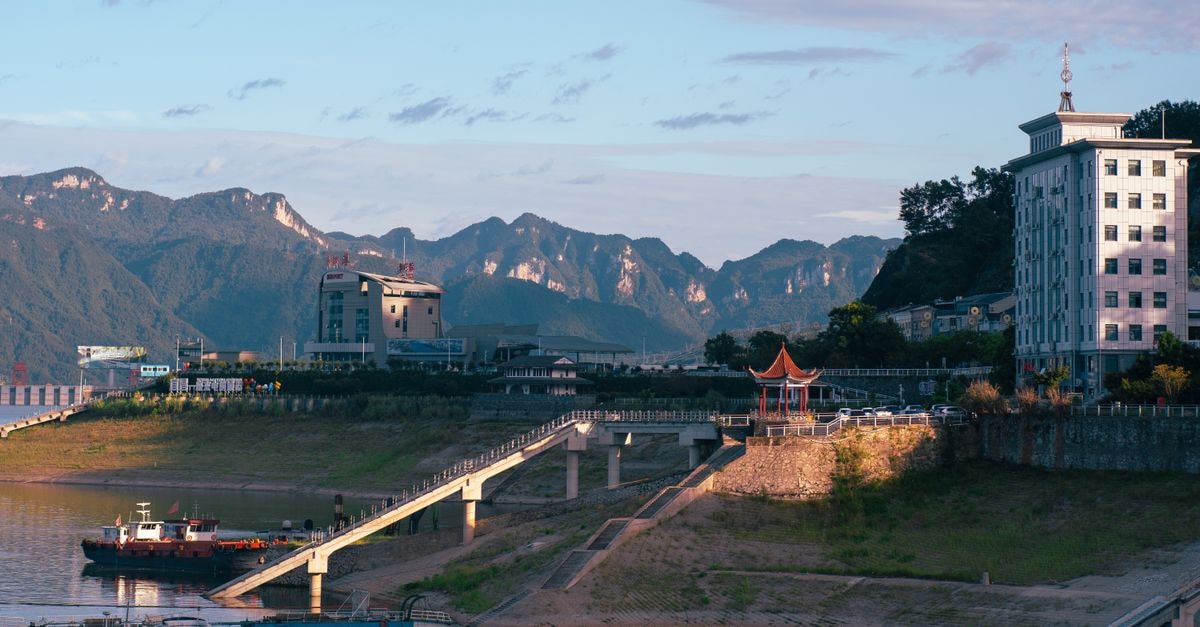
Chuncheon sits in the mountainous heart of Gangwon-do, where the Soyang River widens into a glassy lake and forested ridges spill down to the waterline. The city feels like a gentle pause button compared with Seoul, only about an hour away by road or rail. You can spend a morning walking a lakeside path, drift into lunch over a bubbling iron plate, and still be back in the capital by evening if you choose.
This guide leans into what Chuncheon does especially well: a recognizable food identity, calm natural scenery close to the center, and transport links that make the city feel accessible without losing its quieter pace. The goal is to help you shape a few thoughtful days rather than rush through a checklist.
Weather and seasonal context
Chuncheon’s climate shifts clearly through the year, with warm summers and cold, snowy winters typical of an inland Gangwon valley. Rain tends to arrive in short, sharp bursts rather than long downpours, so carrying a compact umbrella or a light rain shell is generally a sensible habit in any season. Because weather in the region can swing quickly between bright sun and overcast skies, a flexible daily rhythm tends to work better than a tightly packed schedule. Mornings by the lake are usually the most comfortable window for being outdoors, with afternoons better suited to indoor stops, a long lunch, or a café break. For a fuller year-round picture, Chuncheon’s dedicated climate page offers monthly breakdowns that complement the general sense described here.
Travelers who dislike humidity often find the shoulder months more comfortable, while those who arrive in peak summer trade cooler air for greener landscapes and longer daylight by the water. Pacing the day around shade, water and rest stops usually makes the difference between a tiring visit and a relaxed one.
Getting around
Chuncheon is well connected to the rest of South Korea, which is one of its quiet superpowers as a destination. A documented tour route through the city strings together nature, the lake, a dam and a cable car as a logical day-trip shape, useful as a reference for how the main sights relate to one another in space. Visitors who prefer to plan their own route can use the same general logic, mixing riverside sections, elevated viewpoints and a calm finish along the water.
Within the city, transport options include local buses, taxis and rail services that link the main neighborhoods. Airport transfers, trains, buses and local transport guides are available to help visitors move between the city and wider South Korea. The central areas where most travelers spend their time are compact enough that short walks between stations, restaurants and the lake are usually realistic. For arrivals from further afield, intercity buses and trains from Seoul and other regional hubs put Chuncheon within a comfortable half day of travel.
Because Chuncheon often serves as a base for exploring nearby Gangwon scenery, having a rough idea of how the city connects to larger transport hubs helps with luggage, timing and energy levels. Most travelers find that a simple combination of city buses for short hops, a taxi for tired evenings and a rail or bus connection back to Seoul is enough to cover a visit comfortably.
Food and local context
Chuncheon wears its food identity proudly, and that identity is worth planning a day or two around. The city is widely known as the “Dakgalbi Capital of Korea,” a nickname that traces back to the early 1960s, when enterprising restaurant owners near the old Chuncheon Station began serving spicy stir-fried chicken on iron plates as an affordable alternative to pork galbi. The dish became a local signature, and the tradition of gathering around a sizzling plate with friends and family is part of what makes a Chuncheon meal feel social rather than transactional.
The mountainous terrain of Gangwon-do produces excellent buckwheat, and Chuncheon’s noodle shops have been serving makguksu as the traditional companion to dakgalbi for generations. Cold buckwheat noodles tossed with vegetables and a bright, slightly tangy sauce are the classic foil to the heat of the chicken, and moving from one dish to the other at the same table is a beloved local rhythm. Together, dakgalbi and makguksu form a recognizable Chuncheon pairing that visitors are encouraged to experience at least once during their stay.
Beyond these two signatures, Chuncheon-si is known for several other famous local specialty dishes worth asking about once you arrive. Asking which dishes are considered famous local specialties is a natural way to start a conversation with restaurant staff or hosts, and answers often lead to smaller neighborhood spots that do not appear in major guidebooks. Across South Korea more broadly, food culture tends to revolve around shared plates, side dishes and a respect for seasonal ingredients, a context that visitors will also encounter while dining in Chuncheon.
Planning a balanced few days
A few simple habits tend to make a Chuncheon trip feel smooth rather than rushed. Grouping outdoor time around the cooler parts of the day, keeping lunch anchored at a recognizable local dish, and leaving the late afternoon open for a slower walk along the Soyang River are reliable building blocks. Evenings often feel lighter and more social, which suits the communal style of dining that defines much of the city’s food scene.
Travelers who arrive without a car can still cover the main areas comfortably using a mix of city buses and short taxi rides. For those interested in seeing how the lake, dam and surrounding nature connect, the documented Gangwon-do Chuncheon tour course provides a useful spatial reference, even if you choose to break it into smaller pieces rather than follow it in one block. The aim is to leave with a sense of Chuncheon’s pace, not just a list of stops.
If Chuncheon is your first stop in Gangwon-do, expect a city that feels distinctly Korean yet notably more relaxed than the capital. The combination of accessible transport, clear food traditions and water-led scenery makes it an easy choice for travelers who want depth without complexity.
A note before you go
Factual travel conditions, including transport schedules, restaurant hours and service availability, can change over time. Treat the details in this guide as a starting framework rather than a fixed plan, and confirm current arrangements through official transport and tourism channels before departure so that your trip reflects the Chuncheon you actually arrive in.
### Verification note
The factual statements in this guide are drawn from approved sources covering Chuncheon’s climate, transport connections and food identity. Where a source describes a general city service rather than a live schedule or price, that limitation has been preserved in the wording. Readers should treat every detail as a reference point and verify bookable or time-sensitive elements directly before travel.
Prices, opening hours, schedules, reservation rules, and local conditions can change; verify them through official channels before departure.
Share this article
TOOLS FOR THIS PLAN
Make the Chuncheon plan measurable
Choose a tool only when it answers the next question in your trip. Your values stay in the browser, and each tool offers a route back to this planning context.