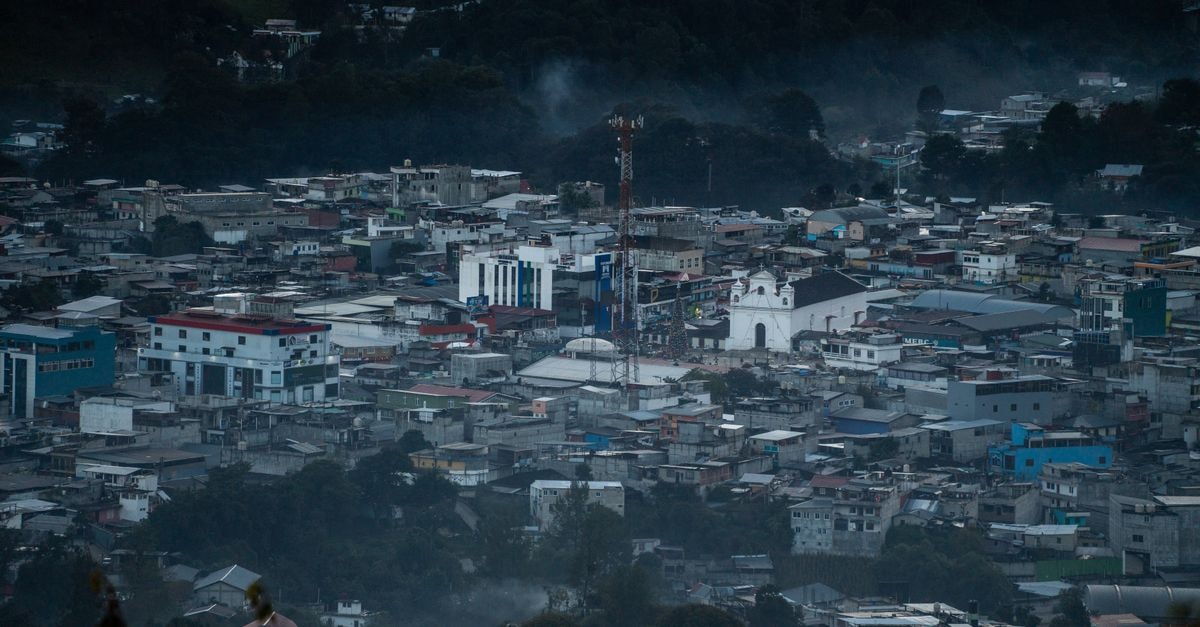
A Quiet Cuscatlán Town Worth Slowing Down For

Cojutepeque sits in the small Cuscatlán department of central El Salvador, a regional capital that tends to fly under the radar of first-time visitors focused on San Salvador or the coast. That is part of its appeal. Travelers who do pass through find a town with a long food reputation, a local history museum that takes its heritage seriously, and a rhythm that feels distinctly Salvadoran rather than tour-bus polished. This guide keeps the spotlight on what is genuinely documented and useful: how to reach the town, what heritage stop to build a visit around, and the regional cuisine that locals are visibly proud of.
Getting to and Around Cojutepeque
Because Cojutepeque does not host an international airport, most out-of-town travelers will fly into Monseñor Óscar Arnulfo Romero International Airport (SAL) near the capital, roughly 65 km west of town, and then continue overland. From there, the easiest way to finish the journey is by ground transport, and the town is connected by regular bus services linking Cojutepeque to San Salvador, San Vicente, and other departmental capitals. That bus network is the practical backbone for independent travelers, because it puts several regional hubs within reach on the same day and keeps the cost low compared with hiring private transport.
Within the town itself, distances are short. Most of what visitors come to see sits close to the central area, and the bus terminal tends to be the natural starting point for getting oriented. If you are planning to base yourself here for a few nights rather than pass through on a day visit, the same bus services double as your link to other parts of central El Salvador, so there is little need to rent a car just for a short stay.
Attractions and How to Plan Around Them
The standout cultural stop in Cojutepeque is the Museo de la Ciudad de Cojutepeque, a small city museum that takes the history of the town and its surrounding Cuscatlán region as its core subject. Visitors go to understand how the local heritage developed over time, and the museum is widely described as a place that genuinely cares about preserving that story rather than rushing visitors through it. Because it is anchored in local heritage rather than blockbuster exhibits, it pairs naturally with a slow walk through the surrounding streets afterwards, letting the context from the displays settle into the town you are actually walking through.
General Cojutepeque attraction roundups list ten things to see in and around the town, which is a useful prompt to ask locally once you arrive: which of those are open to walk-ins, which require a guide, and which are worth the time on the day you have. Treat any such list as a starting menu rather than a fixed itinerary, because opening patterns for smaller heritage sites in regional El Salvador can shift, and the most reliable answer usually comes from a hotel desk, a bus-station café owner, or the museum staff themselves.
When you do build a plan, give the museum a generous window. It is the kind of stop that rewards unhurried reading, especially if your Spanish is comfortable enough to follow the panels in detail. Pair it with a slow stroll through the central streets, a casual meal in town, and you have a relaxed half-day that captures the core of what Cojutepeque is known for, without rushing past the texture that makes a small Salvadoran town interesting in the first place.
Food and Local Context
Food is where Cojutepeque has the loudest reputation, and the single most documented specialty is the local smoked chorizo. The Cojutepeque chorizo tradition stretches back to the colonial period, when Iberian sausage-making techniques were combined with Salvadoran chile varieties, including chile cobanero and chile guaque, and then finished over the wood smoke of the pine-oak forests above the town. That combination is what gave the sausage a distinct regional identity that gradually spread through El Salvador over several centuries, and it remains the dish travelers most often hear about before they arrive.
In town, local restaurants and food stalls serve a wider range of typical plates that reflect how strongly local cooks feel about their own cuisine, and how warm the hospitality feels when you sit down to eat. The chorizo may be the headline, but the everyday menu tends to stretch further, with home-style plates that give a more grounded picture of what people actually cook and eat in Cuscatlán rather than what gets exported as a regional symbol. Treat the chorizo as the entry point and let the rest of the menu unfold from there, asking what is freshly made that day and what the kitchen recommends.
A useful way to approach a visit is to graze rather than formalize. Try the chorizo early in the stay so you have a benchmark, then eat your way through a few casual meals across different spots in the center, noting how the smoke level, the chili heat, and the side dishes shift from one kitchen to the next. For visitors coming from elsewhere in El Salvador or from abroad, this kind of low-stakes tasting is often the most memorable part of being in Cojutepeque, because the town’s food culture is genuinely local rather than adapted for outside visitors.
What to Keep in Mind Before You Go
A few practical notes worth holding onto while planning. First, the town is small enough that one or two nights will cover the main cultural stop and several food experiences without feeling rushed. Second, transport is built around the bus network to San Salvador and San Vicente, so build connections around those routes rather than assuming taxi or rideshare coverage. Third, treat opening hours for smaller sites as something to confirm on the day, ideally directly with the museum or with locally informed staff, rather than relying on older printed schedules.
It is also worth remembering that regional cuisine reputations in El Salvador can be larger than any single restaurant. Ask around for the place locals currently favor for the chorizo, because the most respected kitchens tend to shift over time, and the difference between a hurried plate and a properly smoked one is exactly what the trip is for.
Finally, remember that on-the-ground conditions in any small Salvadoran town can change between the time a guide is written and the time you arrive. Bus timetables, museum hours, and which food stalls are open that week are the kind of detail worth a quick check through an official channel or a local contact before you set out, especially if you are visiting on a tight schedule. With that simple habit in mind, Cojutepeque rewards the kind of slow, food-and-heritage-focused travel it was built for.
*Factual travel conditions can change. Verify transport schedules, museum opening hours, and local recommendations through official channels before departure.*
Share this article
TOOLS FOR THIS PLAN
Make the Cojutepeque plan measurable
Choose a tool only when it answers the next question in your trip. Your values stay in the browser, and each tool offers a route back to this planning context.