A seaside city that invites you to slow down

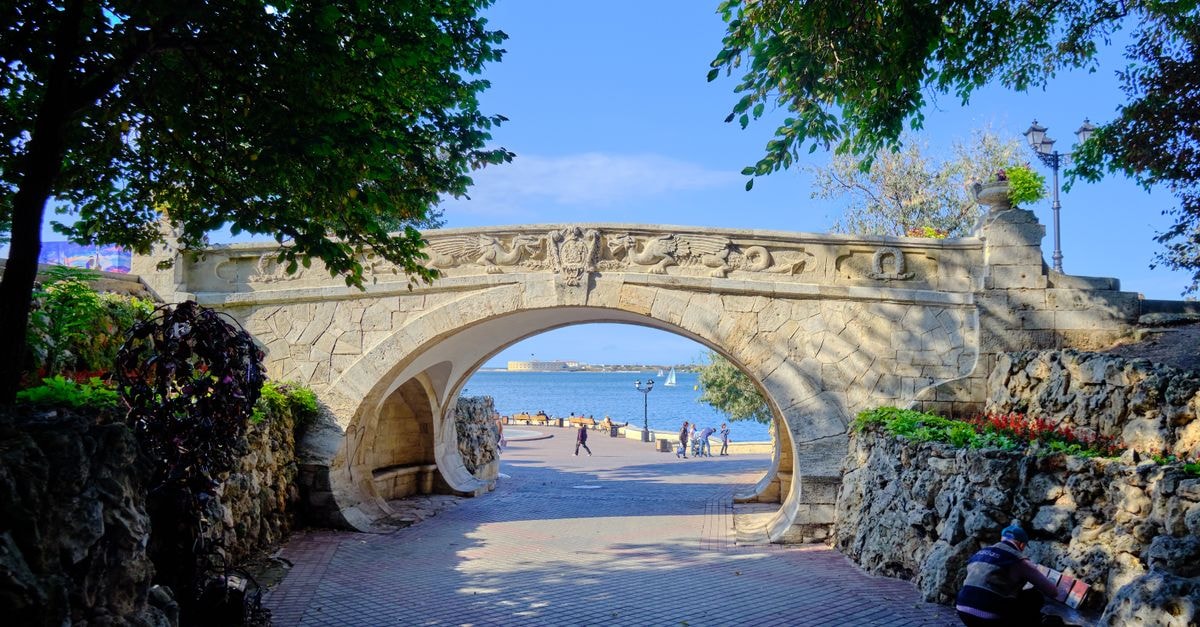
Constanța sits on the western edge of the Black Sea and carries the relaxed cadence of a port city that has been welcoming travelers for centuries. There is a particular pleasure in arriving here after the busier capitals further inland: the air changes, conversations feel a little looser, and the day seems to stretch a little longer around the waterfront. The city rewards visitors who are happy to wander, linger over coffee, and let the sea set the rhythm of their stay rather than rushing from one landmark to the next.
What follows is a focused guide built around three things the evidence supports clearly: the kind of weather you can generally expect, how the public bus system actually works on the ground, and the museum-rich cultural layer that gives the city its depth beyond the beach.
Weather and seasonal context
Constanța's climate reads as gently maritime. The annual water-temperature curve in the area moves from a chilly low in the mid-40s Fahrenheit in midwinter up to a peak in the mid-70s in late summer, before easing back through the low 70s as autumn arrives. For travelers thinking about how that translates on land, the practical takeaway is that coastal summers feel warm and humid, shoulder seasons feel mild and breezy, and winters can feel raw once the wind picks up along the seafront.
One useful piece of context from the same long-term picture: the beach-and-pool score for the city points to early July through mid-August as the warmest stretch for water-based days. Outside that window, the sea is still swimmable for many visitors but noticeably cooler, and the city's energy shifts toward walking, café culture, and indoor sights rather than full beach days. If your visit falls in the cooler half of the year, plan for layered clothing, comfortable walking shoes, and a willingness to break up outdoor time with a museum stop when the breeze turns brisk.
Because this is a coastal city, weather can also change quickly between sun and a passing shower, so a compact rain layer in your day bag is a small comfort that pays off often. The honest framing here is one of feeling rather than forecasting: pace your day around how the seafront feels in the moment, and treat the museums as your weather-proof anchor.
Getting around
Constanța's public transport is built around a city bus network, and for most independent travelers it is the most useful system to understand. Two practical realities shape the experience. First, if you anticipate riding the bus frequently over several days, a multi-day pass or a Constanța tourist pass is worth looking into, because individual tickets add up faster than expected when you are moving between the old town, the waterfront, the train station area, and the southern districts. Second, the main challenge is not the system itself but the small choices a rider has to make at the stop: choosing the correct route number, confirming the direction of travel, and identifying the right stop for your destination.
A few habits make the network feel much friendlier. Give yourself a little extra time at major stops to read the route signage calmly, since buses can be listed by both number and end-of-line destination. Have a small amount of local currency ready for ticket purchases, and keep your pass or validated ticket accessible, as inspections do happen. When in doubt, asking a local at the stop which bus serves your destination is often faster than consulting a map mid-stride.
For many visitors, the most pleasant way to experience the city is to combine walking in the central peninsula with the bus for longer hops. The historic core, the seafront promenade, and the main museum cluster sit close enough together that a slow walk between them is part of the pleasure, while the bus becomes the right tool when you are heading to a station, a market further from the center, or an evening across a wider part of town.
Attractions and planning
Constanța offers something a lot of Black Sea destinations do not: a serious cultural layer beneath the holiday surface. The city is home to four museums of primary importance, which together make it genuinely worthwhile for travelers who care about art, archaeology, and history. These are not afterthought exhibits tucked beside souvenir shops; they are institutions large and serious enough to anchor a full day of the trip on their own. Plan at least one slow morning or afternoon inside one of them rather than treating them as a quick photo stop.
Beyond the museums themselves, the broader character of a visit here is shaped by the contrast with the rest of the country. Where Bucharest can feel overwhelming and the Carpathian cities can feel preserved almost to the point of stillness, Constanța reads as lived-in and contemporary, a place where Romanian daily life continues at its own pace. That atmosphere is part of the appeal: cafés fill with regulars, the waterfront draws a mix of locals and visitors, and the old town still feels like a working neighborhood rather than a stage set.
When planning your days, a sensible rhythm is to cluster the museums into one dedicated block, ideally on a day when the weather is less cooperative, and to leave the seafront and old-town walks for the times when the light and temperature invite lingering outside. Because this is an evergreen guide rather than a calendar-locked one, the most reliable advice is structural: give the museums real time, give the waterfront real time, and let the bus knit the two halves of the day together without stress.
A few final notes for independent travelers
A short visit to Constanța works best when treated as a layered experience rather than a checklist. The seafront, the historic core, the museum cluster, and the bus rides between them each contribute a different texture to the trip. Build in a slower afternoon rather than packing every hour, and the city tends to reveal itself more generously.
Travel conditions, ticket availability, and local services can change without notice, so before departure it is always worth checking official transport and museum channels for the latest opening hours, ticket options, and any pass details relevant to your stay.
---
Verification note: every concrete claim above is anchored to the approved factual ledger for Constanța. Currency, schedules, ticket prices, and operational details should be reconfirmed through official sources before travel, as conditions can shift between the time of writing and the time of any individual visit.
Share this article
TOOLS FOR THIS PLAN
Make the Constanța plan measurable
Choose a tool only when it answers the next question in your trip. Your values stay in the browser, and each tool offers a route back to this planning context.