A grounded introduction to Kayseri

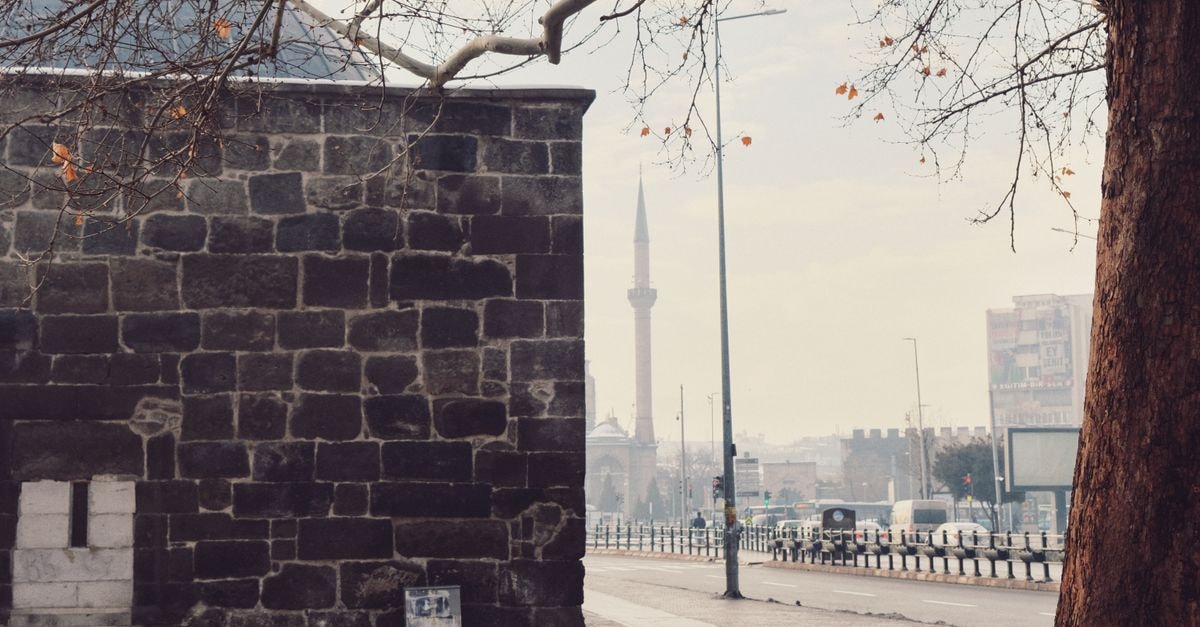
Kayseri sits in the heart of Türkiye, and the way travellers tend to describe it is a little different from the way the coastal cities are talked about. Here, the draw is not the sea but the volcanic silhouette of Mount Erciyes, the long stretch of the Anatolian plateau, and a city that has worn the layers of trade, faith, and craftsmanship for centuries. You can feel the pull of those layers in the simple act of walking through the centre, where the call to prayer still drifts from old stone mosques and the markets feel unhurried even when traffic outside is anything but.
The appeal of a Kayseri trip is honestly pretty simple: it is a place that lets you slow down and read a city, rather than racing through a checklist. It is also a major trade and industrial hub in Central Anatolia, which means the city has the practical infrastructure a traveller wants, comfortable hotels, reliable intercity connections, and well-stocked markets, while still holding on to its distinctive character. Because the city rests at the foot of Mount Erciyes, the skyline alone is a reminder that you are somewhere with deeper roots than the modern day-to-day.
This guide is intentionally focused and evergreen. Rather than padding every section with generic travel advice, it centres on the two themes the evidence supports: the broader seasonal and geographic context of the city, and the natural attractions that draw visitors outward from the centre. If you arrive intending to learn the rhythms of central Anatolia, both will give you plenty to work with.
Weather and seasonal context
Kayseri sits in the interior of Türkiye, in Central Anatolia, and that single geographic fact shapes almost every conversation you will have about the weather. Inland Anatolian cities are known for their continental climate, where summers can feel hot and dry, winters tend to be cold and snowy, and the shoulder months bring the kind of crisp, clear days that locals often talk about with a certain fondness. Because the city rests at the foot of Mount Erciyes, the massif has its own microclimate, and you can see the snow on the peak long after the snow has left the city streets.
A few practical instincts are worth carrying with you. The plateau sun is stronger than it looks, so a hat and water are sensible even on days that do not feel extreme. Mornings tend to be the most comfortable for walking, while afternoons can feel slightly heavier, and it is common for travellers to plan their more demanding outdoor time for the edges of the day. Layering is your friend, because the temperature swings between sun and shade can be noticeable.
What makes this climate genuinely interesting is the contrast. You can be standing in a warm, sun-baked central square in the morning and watching clouds gather around the mountain by late afternoon. Locals will tell you, gently, that the mountain decides its own weather, and that is not far from the truth. The agricultural plains around the city reflect the seasons clearly, with the rhythm of the land shaping the rhythm of the market, and that is part of what makes a Kayseri visit feel grounded rather than rushed.
For any traveller who wants firmer detail on average temperatures, rainfall, or wind before the trip, the most reliable approach is to check an official meteorological source close to the date of travel, because inland Anatolian weather can vary year to year. Treat any climate description as a sense of the place rather than a precise forecast.
Attractions and planning around nature
What stands out about Kayseri for travellers interested in nature is how varied the surrounding landscape is, even within a relatively short reach of the city. The provincial tourism authorities highlight three natural destinations that draw visitors, and each one offers a different feel of the Anatolian outdoors.
The first is Mount Erciyes itself, the defining landmark of the city and the reason many travellers add Kayseri to their itinerary in the first place. It is part of what gives the city its profile, both literally and visually, and it remains a focal point for nature-focused visits in the area. Travellers often approach it as a scenic presence as much as an activity, photographing it from the city and then deciding how much time they want to give to the slopes.
The second is the Sultan Sazlığı, a wetland area that the provincial tourism authorities specifically highlight for its biodiversity. The site is recorded as hosting 301 bird species and 428 plant species, which gives a clear sense of why birdwatchers and naturalists take an interest in it. A wetland of this scale is unusual in the middle of the Anatolian plateau, and the contrast between the wetland ecosystem and the surrounding steppe is part of what makes it a worthwhile detour for travellers who already plan to spend time in nature around Kayseri.
The third is the Kapuzbaşı Şelaleleri, also identified by the provincial tourism authorities as a destination for visitors drawn to nature tourism. Set in a quieter, more forested setting than the open plains, the falls offer a different texture of outdoor experience, one built around water, shade, and the sound of moving water rather than the wide horizons of the plateau.
Planning a nature-focused day from Kayseri is genuinely flexible. You can pick one of these destinations and give it a full day, or you can combine a shorter visit to one with a slower afternoon in the city. The provincial tourism page treats all three as part of the same nature-tourism offering, which reflects how locals think about the area: less as a single must-see attraction and more as a set of places, each with its own appeal. Treat them as a menu rather than a checklist, and the day usually feels more rewarding.
If you want firmer practical detail before heading out, such as current access, transport options, or seasonal conditions at any of these sites, it is worth checking the official provincial tourism pages and relevant national park or protected-area information beforehand, as on-the-ground details can change. This guide deliberately avoids pinning down specific timetables or prices, because those details are best confirmed closer to the date of travel.
A practical note before you go
The single most useful habit for a Kayseri trip is to read the city as a place rather than a checklist. That means slowing down in the centre, giving Mount Erciyes some attention at more than one time of day, and treating the natural attractions around the city as a layered experience rather than a single outing. Because the city is also a working industrial and trade hub, the practical side of the trip, transport, accommodation, food, tends to be straightforward, leaving you more mental space to focus on the experience itself.
Travellers who like a balance of city life and outdoor time tend to feel especially at home here, because the natural sites are distinctive enough to feel like a destination, while the city itself is lively enough that you do not feel marooned between outings. That combination is one of the quieter pleasures of inland Türkiye, and it is part of why visitors who come once often find a reason to return.
Travel conditions, including access to natural sites, transport options, and local services, can change. Before finalising any plans, it is worth checking official channels and current information so that the details of your trip reflect the reality on the ground at the time of travel.
This guide is evergreen in nature. It reflects the enduring character of Kayseri and is designed to be useful for any traveller planning a visit, with the understanding that the finer details of weather, access, and current conditions should be verified closer to the date of travel.
Share this article
TOOLS FOR THIS PLAN
Make the Kayseri plan measurable
Choose a tool only when it answers the next question in your trip. Your values stay in the browser, and each tool offers a route back to this planning context.