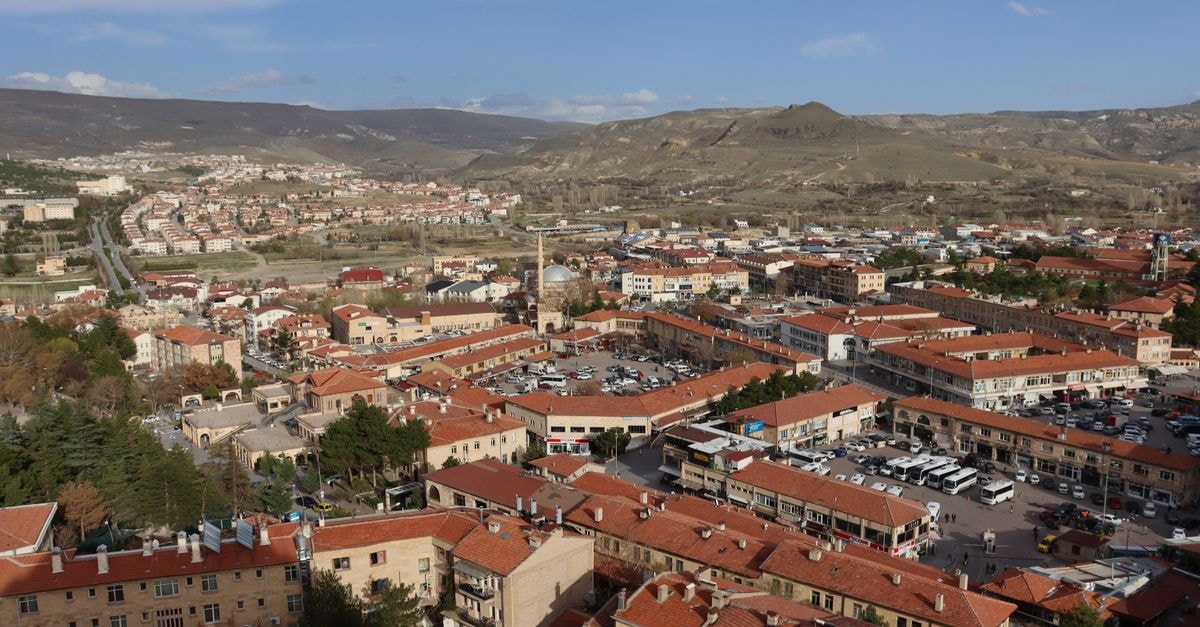
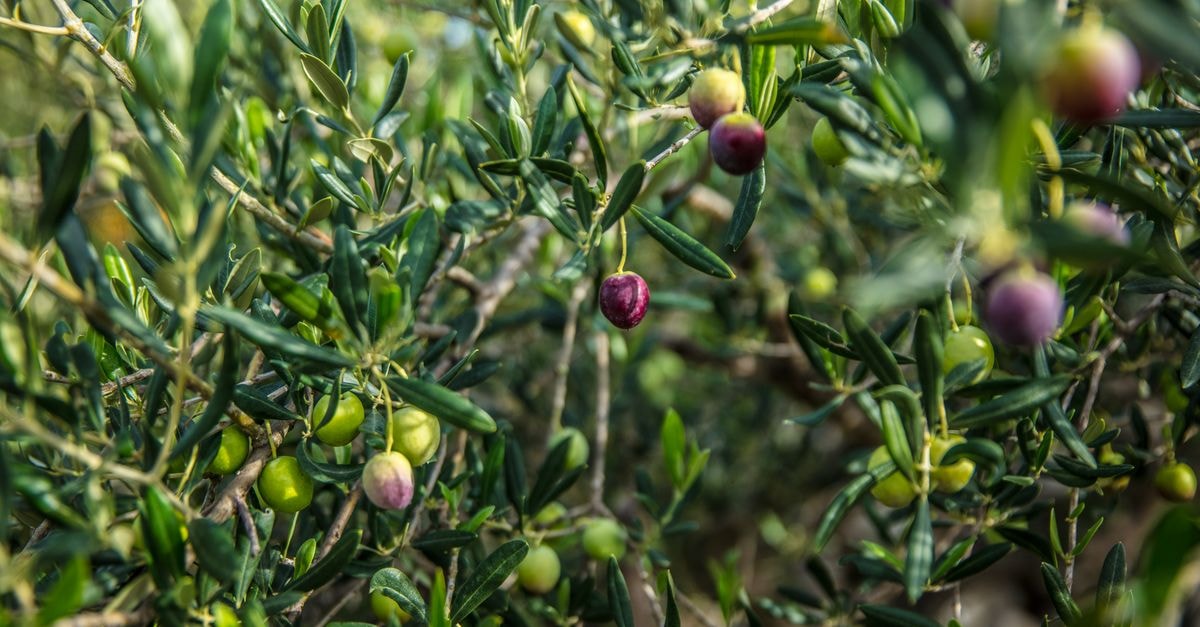
Tucked into Türkiye's Western Black Sea region, Kastamonu sits in a valley where two streams meet at roughly 800 metres above sea level, surrounded by the kind of landscape that quietly rewards anyone willing to wander beyond the country's headline routes. The city carries a long history, and that past still surfaces in its old streets and stone architecture.
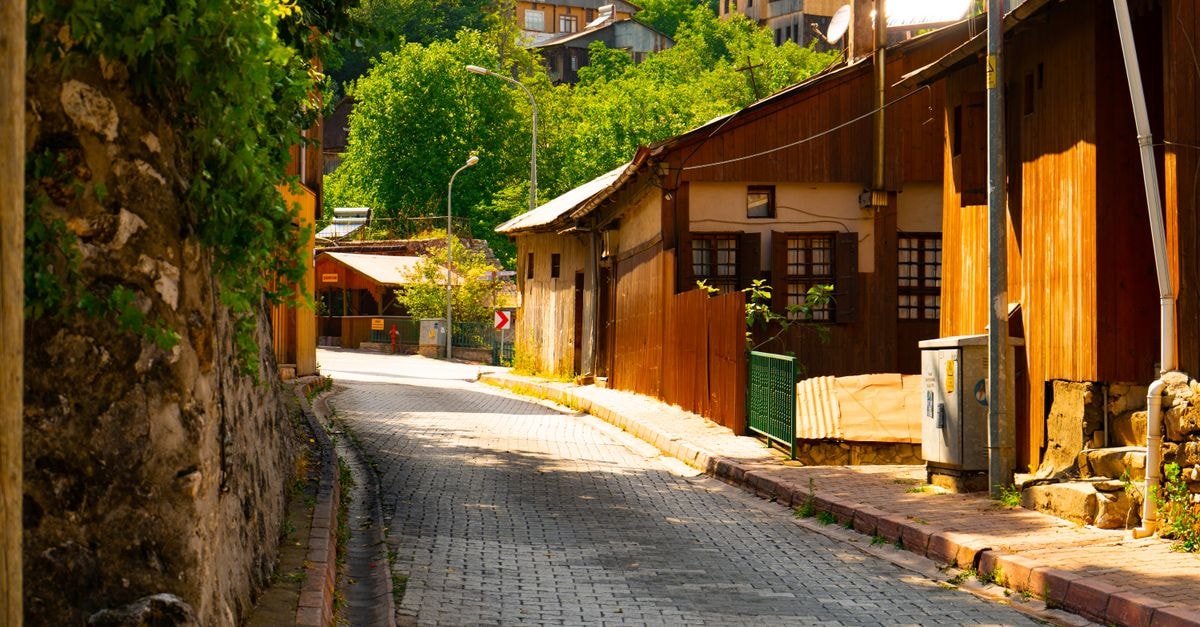
For travelers who like the idea of stepping into a less-polished side of Türkiye, Kastamonu reads like a slow-paced stop rather than a checklist. The atmosphere is more local than touristic, and even a short visit can feel like a small discovery.
Setting and what makes Kastamonu feel different
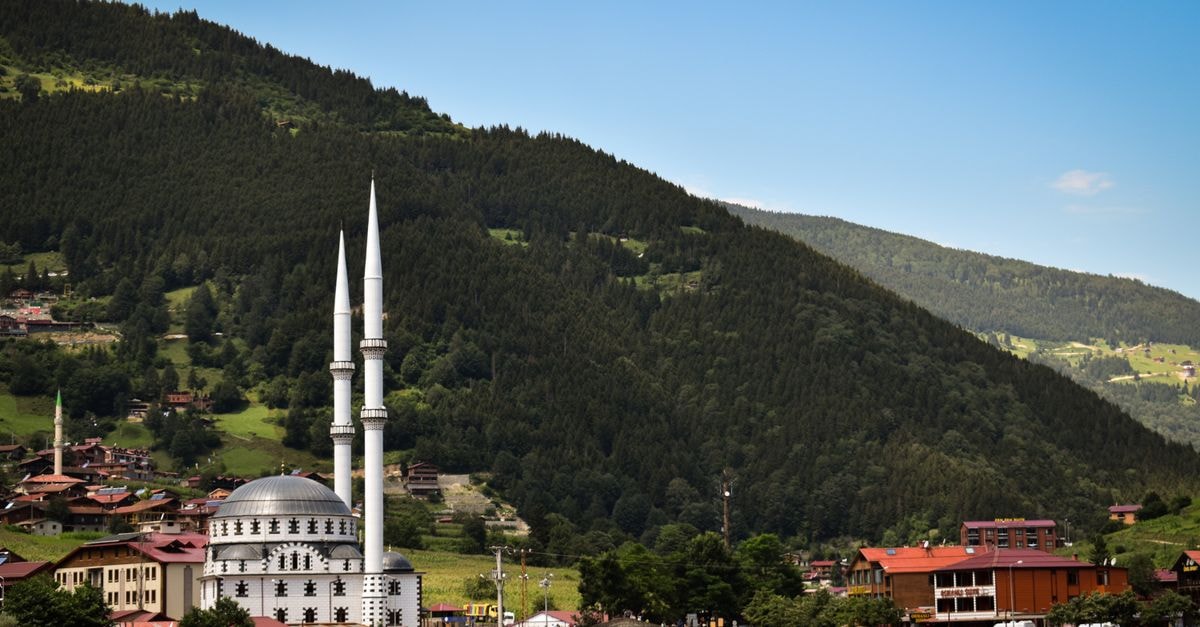
Kastamonu is located in the Black Sea region of northern Türkiye, described in regional travel writing as a hidden gem where history feels present in the everyday fabric of the city. Its position in a valley carved by the Gökırmak and Kastamonu streams, sitting at around 800 metres above sea level, gives the setting a particular feel: hills close by, a compact historic core, and a sense of scale that suits unhurried exploring. Travelers who appreciate places where the surrounding landscape is part of the experience rather than a backdrop may find this mix appealing.
The province is also described as offering travelers an authentic Turkish experience far from crowded tourist trails, which can suit visitors who would rather swap busy resort rhythms for walks through an old town and quieter evenings.
Off-season value and timing considerations
Regional guides note that parts of the year are still considered off-season, with fewer crowds and more competitive prices for travel and lodging. For independent travelers watching their budget, that combination can matter: lower nightly rates, easier reservations, and a calmer pace for sightseeing. The same source makes clear this is a general observation rather than a guaranteed condition for any single week, so it helps to confirm current seasonal patterns before locking in dates.
Attractions and planning around history
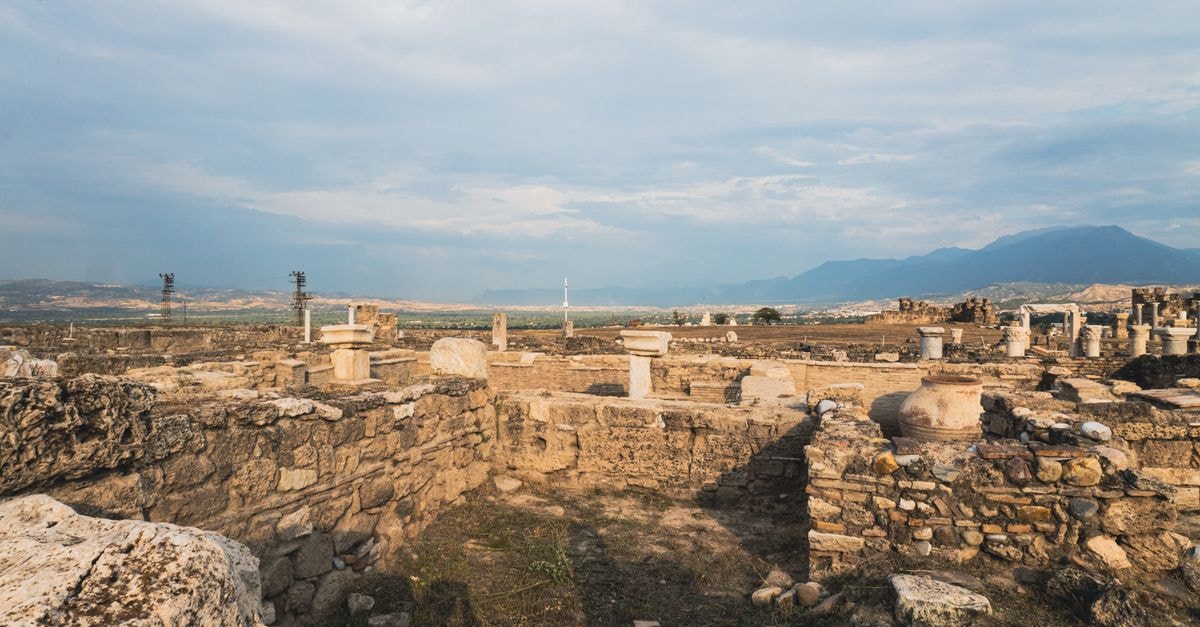
Kastamonu is a historic city, and that history is the main thread running through most visitor experiences. Old stone buildings, traditional neighborhoods, and traces of the city's long past make up much of what draws people here. The setting itself, in a Western Black Sea valley, adds to the atmosphere, since much of the sightseeing happens on foot through older quarters rather than between large modern attractions.
Because Kastamonu is positioned as an off-the-main-path destination, basic planning helps: checking how the historic areas connect, looking into local transport between the center and outlying sites, and giving the trip room for spontaneous stops.
Food and wider Türkiye context
Kastamonu doesn't lean on a single signature dish in the available material. What visitors encounter instead is the food culture found across Türkiye, which travelers will meet almost everywhere in the country: a strong tradition of shared plates, grilled meats, fresh bread, pastries, and tea served at nearly every stop. Knowing that context in advance helps set expectations, since menus and rhythms often feel familiar even in a less-visited city.
Choosing what fits your trip
A few practical tradeoffs shape how Kastamonu tends to work for different travelers. Visitors who value quiet streets, stone-built history, and the feeling of being somewhere less curated often find the city rewarding exactly because it doesn't try to be polished. Travelers who want big-ticket attractions, late-night entertainment, or a wide choice of guided tours may find the selection slimmer here than in coastal hubs. Off-season timing tends to bring better prices and fewer crowds, which can suit budget-conscious and slow-paced travelers especially well, while those who prefer warmer, reliably sun-filled days may want to weigh that quieter atmosphere against climate preferences. The setting at roughly 800 metres of elevation adds a cooler note to evenings.
Before you go
A few details are worth confirming close to your travel dates: current lodging prices and availability, any local transport changes, and opening hours for specific historic sites you plan to visit. Treat any guidebook or regional travel description as a starting point rather than a live confirmation, since conditions can shift. For costs, prices, and schedules, official channels and up-to-date local sources will always give the most reliable answer.
*Travel conditions change; verify details through official local sources before departure.*
Share this article
TOOLS FOR THIS PLAN
Make the Kastamonu plan measurable
Choose a tool only when it answers the next question in your trip. Your values stay in the browser, and each tool offers a route back to this planning context.