Where Cuauhtémoc sits in the capital
Cuauhtémoc is one of the sixteen *alcaldías* (boroughs) of Mexico City, and it carries an outsized share of the capital's identity. The borough concentrates the country's political power, a deep seam of archaeological wealth, and what remains of the city's founding footprint. Walking through it can feel less like moving between modern districts and more like crossing eras, because the same ground that now hosts government ministries and leafy avenues once held the core of a major pre-Hispanic world.
A name that points to the past
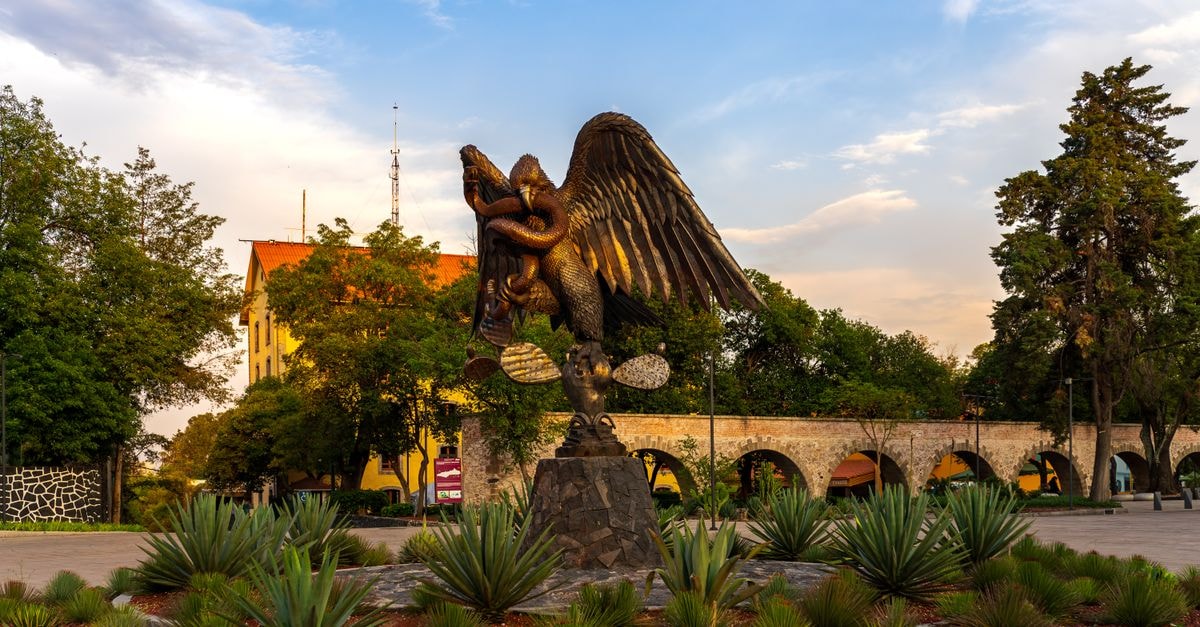
The borough takes its name from Cuauhtémoc, the last *tlatoani* (ruler) of the Mexica. In Nahuatl the name means "águila que desciende" — an eagle descending — a phrase that carries a quiet gravitas. That naming matters for travelers, because Cuauhtémoc the borough covers exactly the territory where the ancient cities of Tenochtitlan and Tlatelolco once stood. Knowing this changes how a walk through the area reads: a plaza you cross on the way to a museum is likely sitting on land that was once dense urban space centuries before the Spanish arrival. For visitors who like destinations with depth, this layering — Mexica, colonial, modern — is the borough's signature texture.
Getting around
Cuauhtémoc is centrally placed within Mexico City, which makes it a natural base for travelers who want to orient themselves before branching out. Because the borough encompasses so much of the capital's historic and governmental core, moving through it by foot, by *Metrobús* corridor, or by Metro line is often the most rewarding way to absorb the changing streetscapes. The central location also means that any journey to other boroughs usually begins here, whether you are heading north, south, east, or west. Travelers who prefer staying in a walkable hub where many of the capital's most significant zones converge may find Cuauhtémoc especially convenient, though the actual pace on the ground depends on the specific street and time of day.
Food and local context
Mexican cuisine is one of the most culturally distinctive in the Americas, and visitors to Cuauhtémoc will be eating inside that wider tradition throughout their stay. Nationally, the cuisine is a blend of indigenous and Spanish influences, a fusion that took shape over centuries and still defines everyday plates across the country. At the heart of that tradition sit three crops — corn, beans, and chilies — which anchor an enormous range of regional dishes and street foods. In Cuauhtémoc, that heritage shows up as part of the broader Mexican context visitors encounter in restaurants, markets, and casual eateries, rather than as one borough-specific specialty. Travelers with a strong interest in food culture will appreciate knowing that the corn-beans-chili triad is the lens through which most Mexican menus make sense.
A few wider customs shape how people eat in Mexico, and they tend to surface wherever visitors sit down to a meal. Mexican culture is notably child-friendly, and it is common to see families with children at adult-oriented restaurants, even late in the evening, with kids simply included in the social flow of the meal. For travelers who tend to eat early or who worry about taking children to fancier dining rooms, this relaxed inclusion may make restaurant-going easier and less self-conscious across the country, including during a stay in Cuauhtémoc.
Choosing what fits your trip
Because Cuauhtémoc's identity is so tightly bound to political history and pre-Hispanic origins, it tends to suit travelers who are curious about context — not just landmarks, but the layers underneath them. If your interest leans toward the founding story of Mexico City, this borough offers a concentrated dose. If your interest leans more toward food-first travel, plan to see the borough as a base and a setting rather than a destination in itself, and let the wider Mexican culinary tradition — built on corn, beans, and chilies — guide your palate. Travelers with children can take comfort in the country's general openness to families at restaurants; travelers who prefer a quieter pace may want to explore Cuauhtémoc's archaeological zones thoughtfully, since the same density of significance that makes the borough rewarding can also make it feel busy in central spots.
A note before you go
Cuauhtémoc sits at the meeting point of Mexico City's political weight, its pre-Hispanic foundations, and its everyday capital life, which is exactly what makes it worth slowing down for. As you plan, double-check the latest practical details — opening patterns, transit updates, and any visitor site notices — through official channels close to your trip, because conditions on the ground can shift. With those verifications in place, the borough offers a grounded, historically rich base for exploring the capital.
Share this article
TOOLS FOR THIS PLAN
Make the Cuauhtemoc plan measurable
Choose a tool only when it answers the next question in your trip. Your values stay in the browser, and each tool offers a route back to this planning context.