A gentler corner of Mexico City
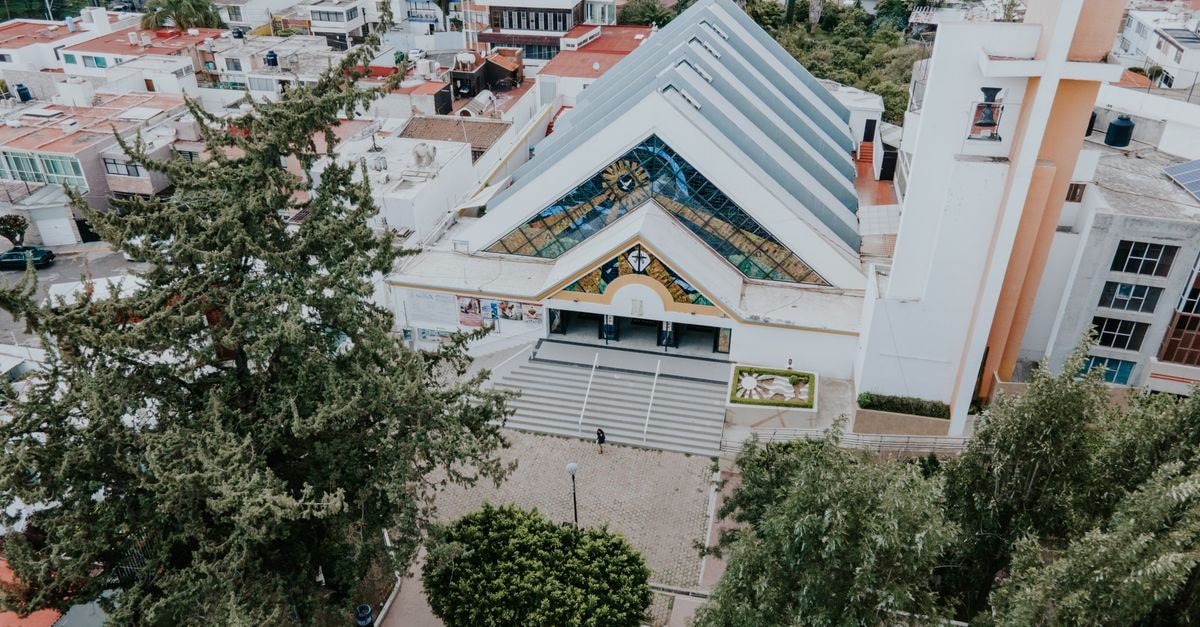
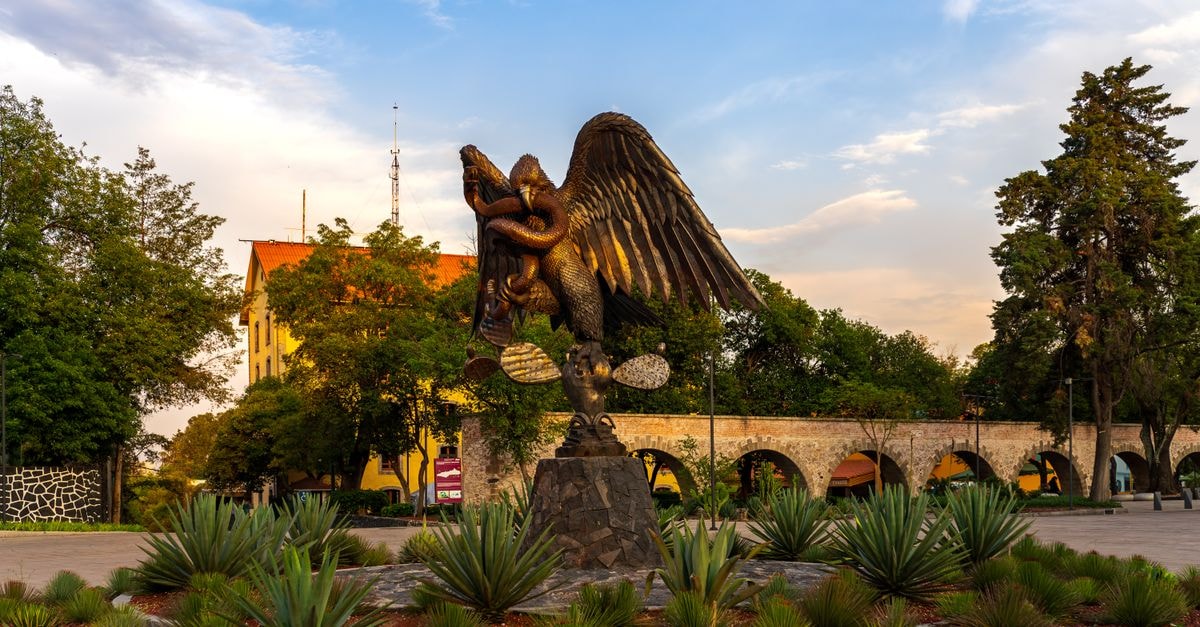
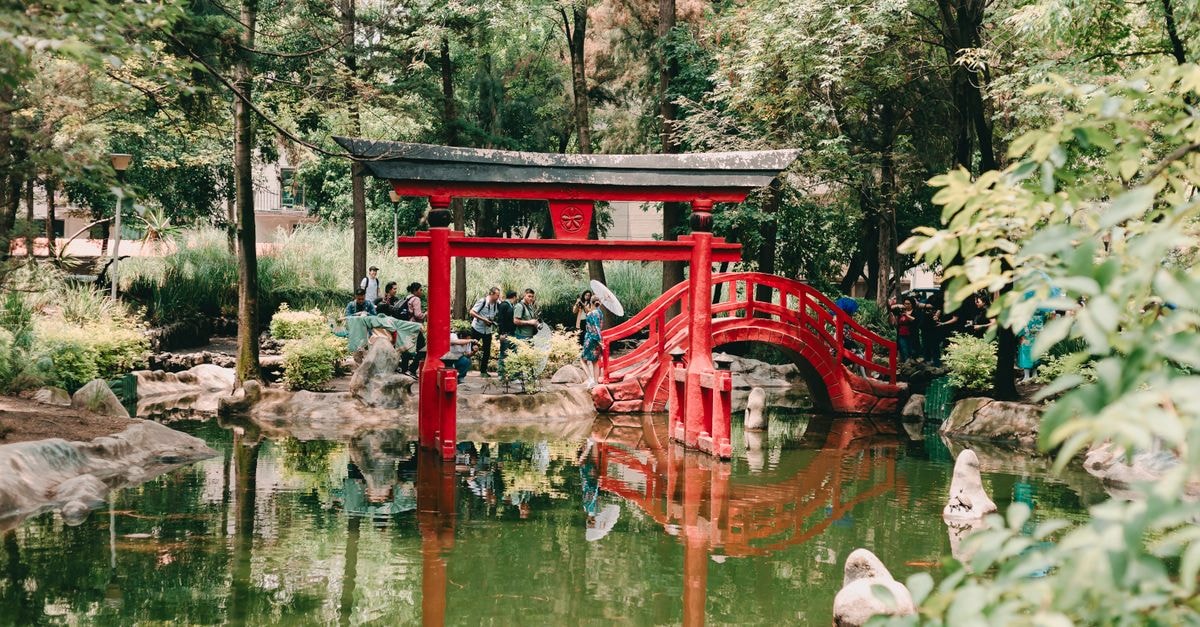
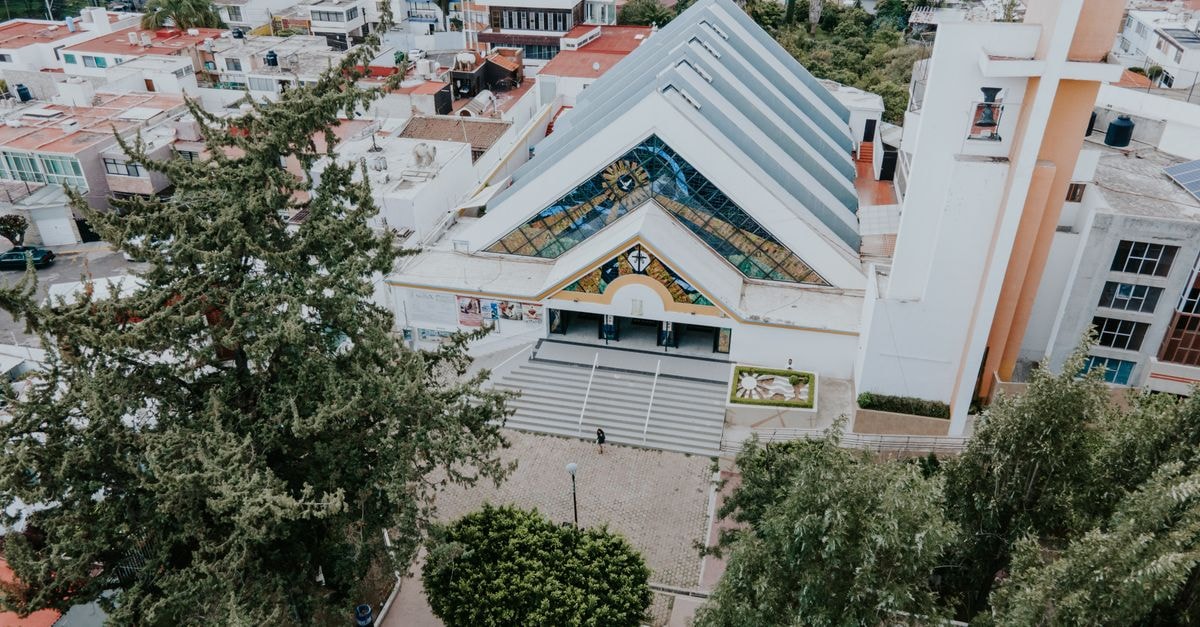
Tlalpan sits at the southern edge of Mexico City, where the sprawling capital softens into quiet streets, tiled roofs, and tree-lined plazas. For travelers who want to feel the city's character without the relentless pace of the center, this borough offers a slower rhythm and a deep sense of place. The atmosphere is more residential than touristy, which is part of its appeal: visitors tend to spend time wandering, sitting on benches, and letting the day unfold rather than racing between landmarks.
If your idea of a good trip leans toward historic atmosphere, market life, and outdoor moments rather than a checklist of big-ticket attractions, Tlalpan can be a refreshing base. The guides below are built around the practical facts available: how the climate generally feels, what kinds of places pull visitors in, and the food experiences that anchor the area.
Weather and seasonal context
Tlalpan shares the highland climate pattern of central Mexico, with mild daytime temperatures and cool evenings for much of the year. According to general climate data for the borough, the warm-weather tourism score is highest from late March through late May, a window when outdoor activities tend to feel especially comfortable. Travelers sensitive to heat or altitude may want to pace midday exploring during this stretch and lean into shaded plazas and slower meals.
Because the borough sits in the higher elevations south of the city center, conditions can shift between sun and brief showers in some seasons, and evenings often feel cooler than the daytime would suggest. A light layer is a reliable companion for any visit, even when the day starts warm. The travel-scoring framework used to assess pleasant weather here is based on temperature and related comfort factors across the year, so visitors can generally expect a temperate feel rather than tropical heat.
For travelers who prefer cooler walking conditions and quieter streets, considering an early morning start can be worthwhile, especially if the day's plans include a market visit followed by time outdoors. If you prefer warmer, longer daylight hours, the late spring window tends to be the most consistently pleasant period for being outside.
Attractions and planning
Tlalpan's appeal often lies less in a single headline sight and more in the texture of the borough itself. The area is generally presented as a destination where visitors mix cultural landmarks, green space, and family-oriented attractions. One widely noted draw is a large animal-focused experience, described in travel listings as a place with up-close encounters with more than 1,600 animal species, often listed under names like Magic Ranch or Rancho Mágico. Animal-focused parks like this can suit visitors who want a longer half-day activity that combines walking, learning, and a more open setting than a museum.
The borough also features significant institutional landmarks. The National Autonomous University of Mexico is referenced as a historic landmark within or near the Tlalpan listings, reflecting the borough's connection to one of the most important academic sites in the country. Travelers interested in architecture, public murals, or the rhythm of a major university campus may find a visit here worthwhile, though it is worth noting that a university campus is a working environment and exploration tends to work best during open, accessible hours.
Planning in Tlalpan tends to feel relaxed rather than tightly scheduled. Because the borough mixes residential streets with cultural draws, travelers who like to leave gaps in their day for a long lunch or a slow walk often feel at home here. If you prefer a more concentrated sightseeing day, grouping the animal-focused attraction with the university area can make logistical sense, as both anchor the broader Tlalpan visitor map.
Food and local context
Food is one of the most rewarding ways to connect with Tlalpan. The borough is known for its historic public market, recognized as one of the oldest in Mexico City and noted as the last remaining "Porfirian" style market in the city. For travelers who love to read a place through its everyday commerce, this market offers that opportunity: stalls, prepared food, and the steady rhythm of local shopping rather than a curated tourist experience. Wandering the aisles, sampling what's in season, and pausing for a casual meal here can easily fill a leisurely morning.
Beyond the market, Tlalpan also has a distinctive dining setting in an estate dating back to 1837, often described as having a colonial feel, with peacocks on the grounds and generous plates of food. Diners who enjoy historic atmospheres paired with substantial traditional meals may find this kind of setting particularly memorable. The estate setting is part of what makes the experience feel different from a typical city restaurant: the architecture, the gardens, and the unhurried service style all contribute to the impression of a meal that doubles as a small cultural detour.
In wider Mexico, mealtime tends to be social and unhurried, with comida often running into the early afternoon, and visitors may notice that restaurants across the country generally follow a relaxed pace. In Tlalpan, that broader Mexican rhythm plays out in market stalls, family-run kitchens, and estate restaurants that invite lingering. Travelers who prefer a quick bite between sights will still find options, but those who enjoy sitting down for a long meal tend to get the most out of the borough.
Choosing what fits your trip
Because Tlalpan lends itself to a slower style of travel, the most useful decisions tend to be about energy and focus rather than logistics. Travelers who want to balance outdoor time with cultural stops often pair the animal-focused park with the historic market, leaving the late afternoon for the estate restaurant. Those more interested in architecture and institutional landmarks may center the day around the university area, with a casual meal close by. Market lovers and food-focused visitors can happily devote most of a day to the Porfirian-style market and a long comida at a historic estate. If your priority is comfort in warm weather, aiming your outdoor hours toward the late March to late May window generally offers the most pleasant conditions, while a light layer remains useful for cooler mornings and evenings throughout the year.
A quick note before you go
Travel conditions, including opening hours, market days, and accessibility details, can change over time, so it is worth checking official channels or current local information before finalizing plans. Factual details such as prices, schedules, and availability are not included here because they were not part of the verified information used to build this guide.
Share this article
TOOLS FOR THIS PLAN
Make the Tlalpan plan measurable
Choose a tool only when it answers the next question in your trip. Your values stay in the browser, and each tool offers a route back to this planning context.