A first impression of Daloa

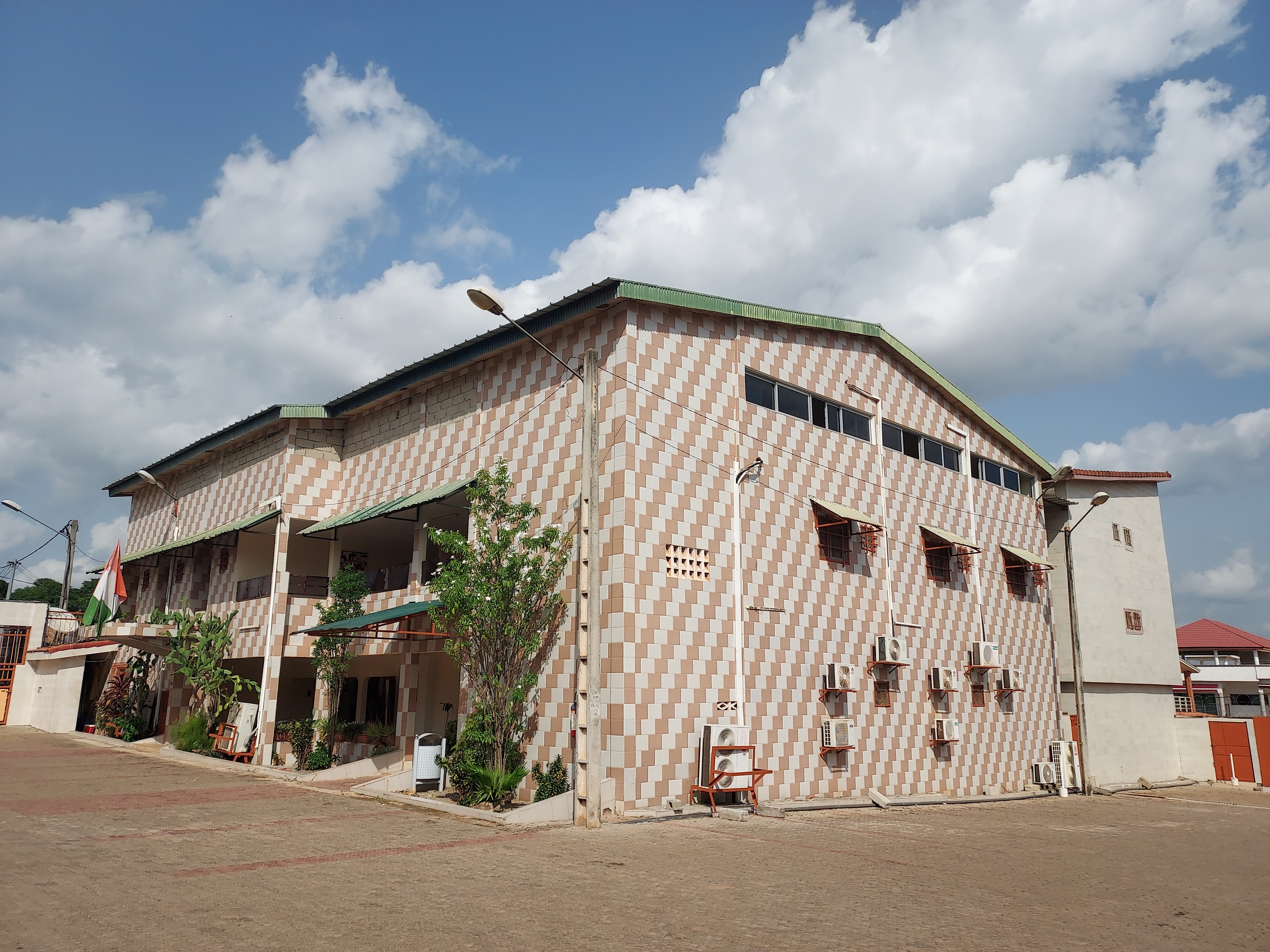
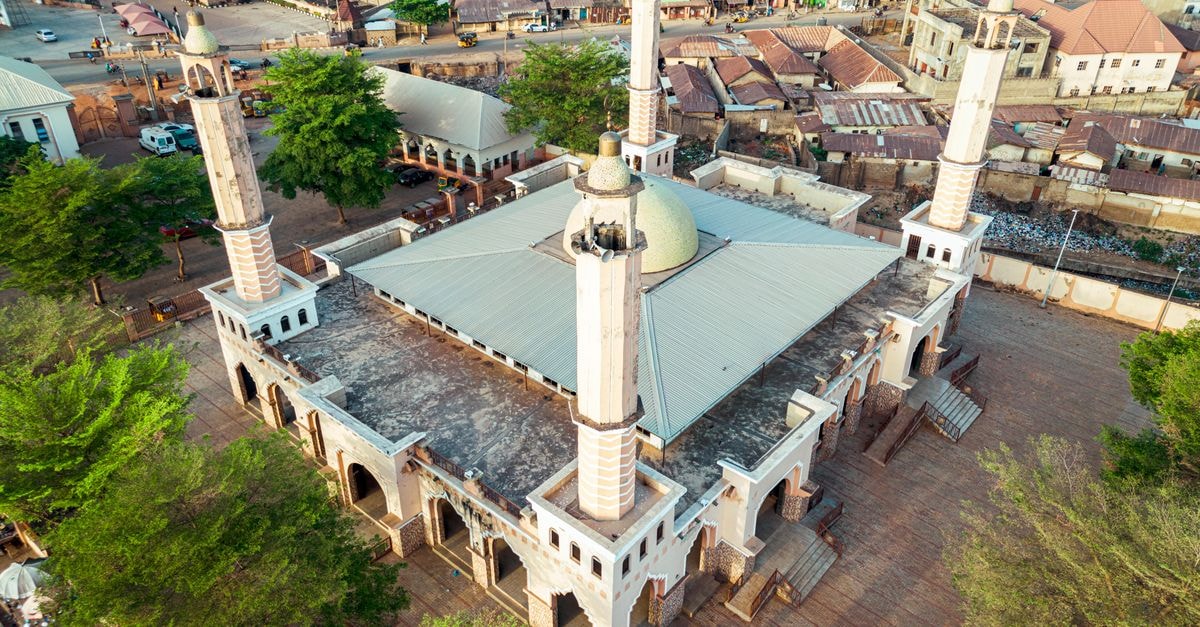
There is something quietly compelling about arriving in a place that the rest of the country seems to move through. Daloa sits in west-central Côte d'Ivoire, and from the moment you step into its streets you sense that this is a working city, not a polished one. Dust lifts from roadside shoulders, traders argue good-naturedly over sacks of produce, and the air carries the warm, earthy scent that clings to any town that lives by what it grows. As one descriptive source puts it, the place feels like a cocoa and coffee crossroads, where busy produce markets, dusty streets, and roadside cafés sit shoulder to shoulder, and visitors tend to pass through either on their way to the western forests or simply to sample what regional Ivorian cooking has to offer.
That mood is worth leaning into. Travelers who enjoy places with a pulse rather than a postcard will probably feel at home here. Daloa is officially the third-largest city in Côte d'Ivoire, and it has earned a reputation as the "Heart of the Cocoa Belt" — a nickname that hints at why the markets feel so lively in the first place. The chocolate on a Western breakfast table often begins its life somewhere around here, and there is a particular pleasure in seeing the agricultural economy that feeds a global craving.
What follows is a practical, evergreen guide shaped only by what is well documented about the city. Where a detail would need checking on the ground, the guide stays quiet rather than guessing.
Where Daloa sits, and why that matters
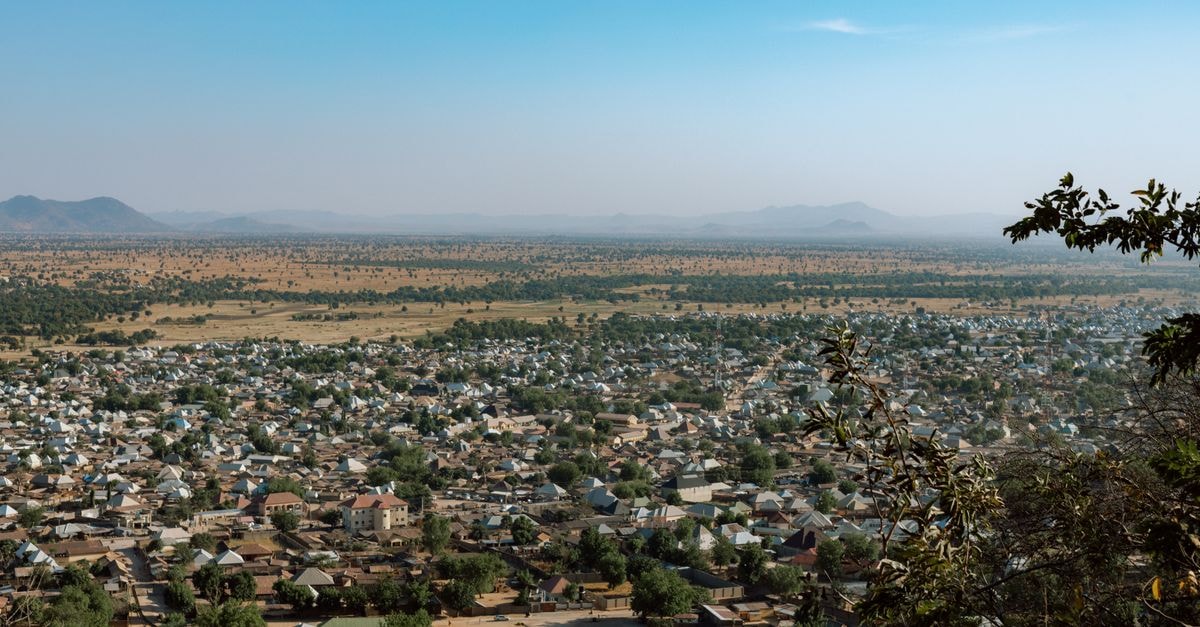
Geography shapes the way a city feels, and Daloa's position is part of its character. It lies in the Sassandra-Marahoué region, in the west-central interior of Côte d'Ivoire, and is described as sitting at the crossroads of major north-south and east-west routes. That description is more than a map note; it explains the constant flow of traders, the variety of faces at the bus parks, and the sense that Daloa is always slightly in motion.
For travelers, this crossroads location also has practical implications. Because the city sits between several regions, it tends to function as a pause-and-resupply point rather than a sealed-off destination. People arrive from the south carrying fish, from the north carrying grains, and from the east and west carrying whatever their patch of forest or farmland has produced. Markets in such a setting feel less curated than in coastal tourist towns, and more honest as a result.
If you are sketching a mental map before you go, think of Daloa less as a single attraction and more as a meeting point. The cocoa-belt identity is real, but the city itself is best understood through its position between other places and the way that position shapes daily life.
Getting around and onward
Moving through Daloa is shaped by the same crossroads logic that defines the city. Because it sits on intersecting overland routes, transport options tend to revolve around shared vehicles, taxis, and the kind of informal arrangements that grow naturally around a busy market town. One approved source mentions an "Ivory Coast Immigration" header alongside a "What to Do And See in Daloa?" page, which is a useful reminder that any traveler passing through will need to be aware of national entry requirements and to carry the documentation those rules require. Immigration details are handled at the national level, not by the city itself, so confirm the latest paperwork with the relevant Ivorian authorities before you travel.
Inside the city, the rhythm is straightforward. Produce markets, roadside cafés, and trader hangouts are clustered close enough together that most short journeys can be made on foot, especially in the cooler hours of the day. For longer hops, shared taxis and bush taxis — the minibuses and larger vehicles that link towns across Côte d'Ivoire — are the usual choice, and they are what most residents use as well.
A few travel common-sense notes are worth flagging, drawn directly from what the sources state. One approved guide summarizes the safety picture with the line "Exercise caution — occasional political tensions — petty crime and protests are occasional; avoid crowds." That is not a verdict on whether to visit, but it is a clear instruction on how to behave if you do. Move through busy markets with the same awareness you would in any unfamiliar trading city, keep valuables out of sight, and give any gathering a wide berth if it appears to be more than a routine commercial crowd. When in doubt, asking locally is usually the fastest way to read a situation.
Markets, food, and the cocoa-belt rhythm
The markets are the most natural entry point into Daloa life. They are busy, they are social, and they are the reason the city feels the way it does. Travelers who enjoy watching a place feed itself — seeing what is in season, hearing the prices negotiated in local languages and in French — will find plenty to observe here. The cocoa and coffee trade gives the markets an underlying beat: even on a slow day, there is a sense that the city is connected to a much larger agricultural story.
Because detailed restaurant listings, prices, and opening hours for specific establishments are not part of the approved evidence, it is better to approach eating the way residents do. Ask which market is busiest that day, follow the smoke from a roadside grill, and be ready for menus that change with what arrived that morning. Treat any specific venue or price you hear about on the ground as something to confirm in person.
Pacing your time in the city
How long you stay in Daloa depends on what kind of traveler you are. Some visitors treat it as a one-night stop on a longer overland route, refueling on sleep and street food before moving toward the western forests or back toward the coast. Others slow down, spend a couple of mornings wandering the markets, and use the city as a base for unhurried conversations with traders and café regulars.
The sources describe visitors as passing through en route to western forests or to sample regional dishes, which is a fair signal that the city rewards a measured pace. Plan loosely rather than tightly. Build in time for a long breakfast of café au lait and bread, an afternoon spent watching a single market stall, and an evening under the slow streetlight rather than a packed list of timed stops.
Because the approved evidence does not include specific distances, schedules, or current opening details for individual attractions, treat anything more granular than that as something to verify locally once you arrive. The most reliable information on the ground tends to come from the people you meet at your lodgings, at the bus park, or over a shared meal.
A final verification note
Conditions in any West African trading city can shift quickly — road access, market locations, security considerations, and local services all move with the seasons and the news. Before you travel, check current travel advisories from your own government, confirm entry requirements with the relevant Ivorian authorities, and reconfirm any local arrangements once you are in Daloa. Treat the picture painted here as a starting frame, accurate in mood and broad strokes, rather than a minute-by-minute plan. That humility is part of what makes travel here feel real.
Prices, opening hours, schedules, reservation rules, and local conditions can change; verify them through official channels before departure.
Share this article
TOOLS FOR THIS PLAN
Make the Daloa plan measurable
Choose a tool only when it answers the next question in your trip. Your values stay in the browser, and each tool offers a route back to this planning context.