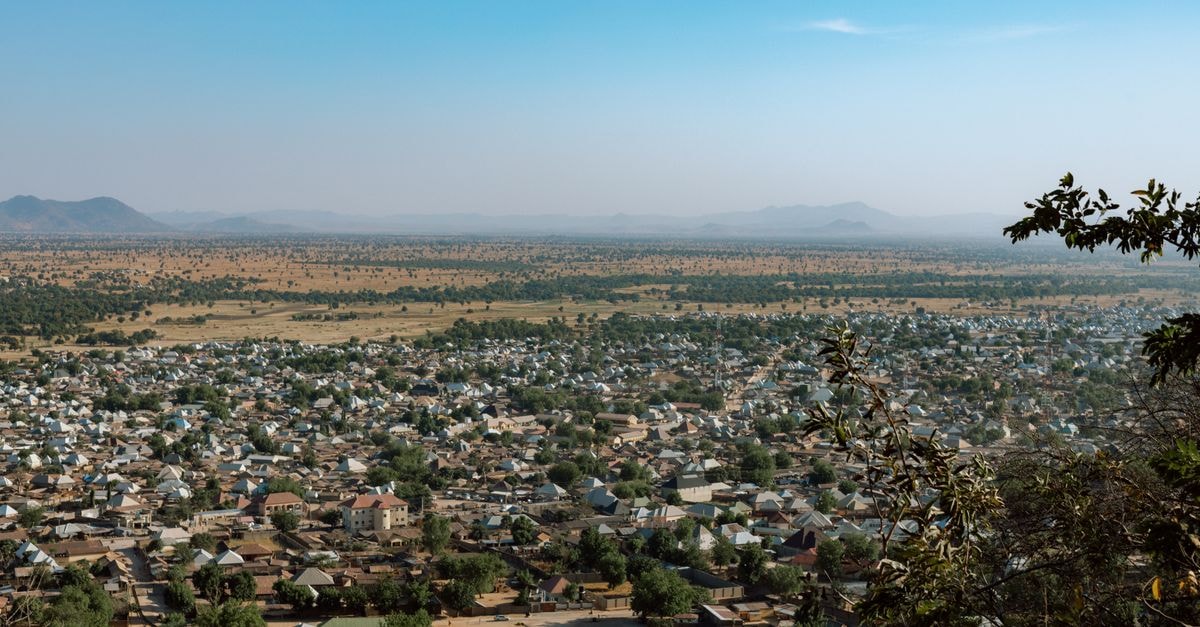
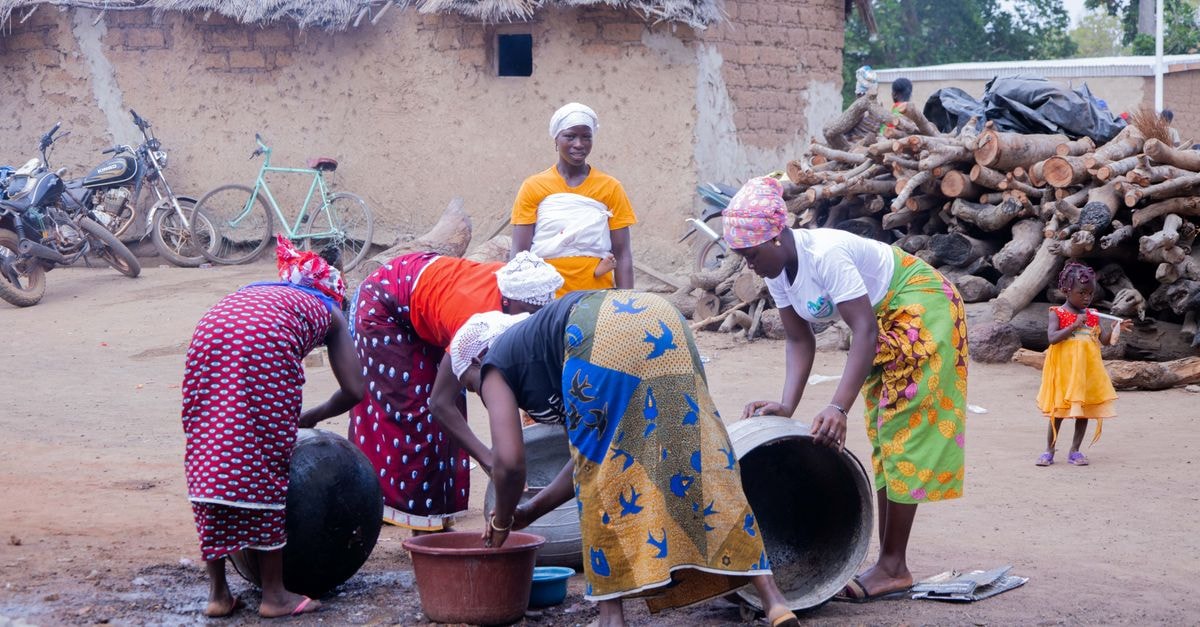
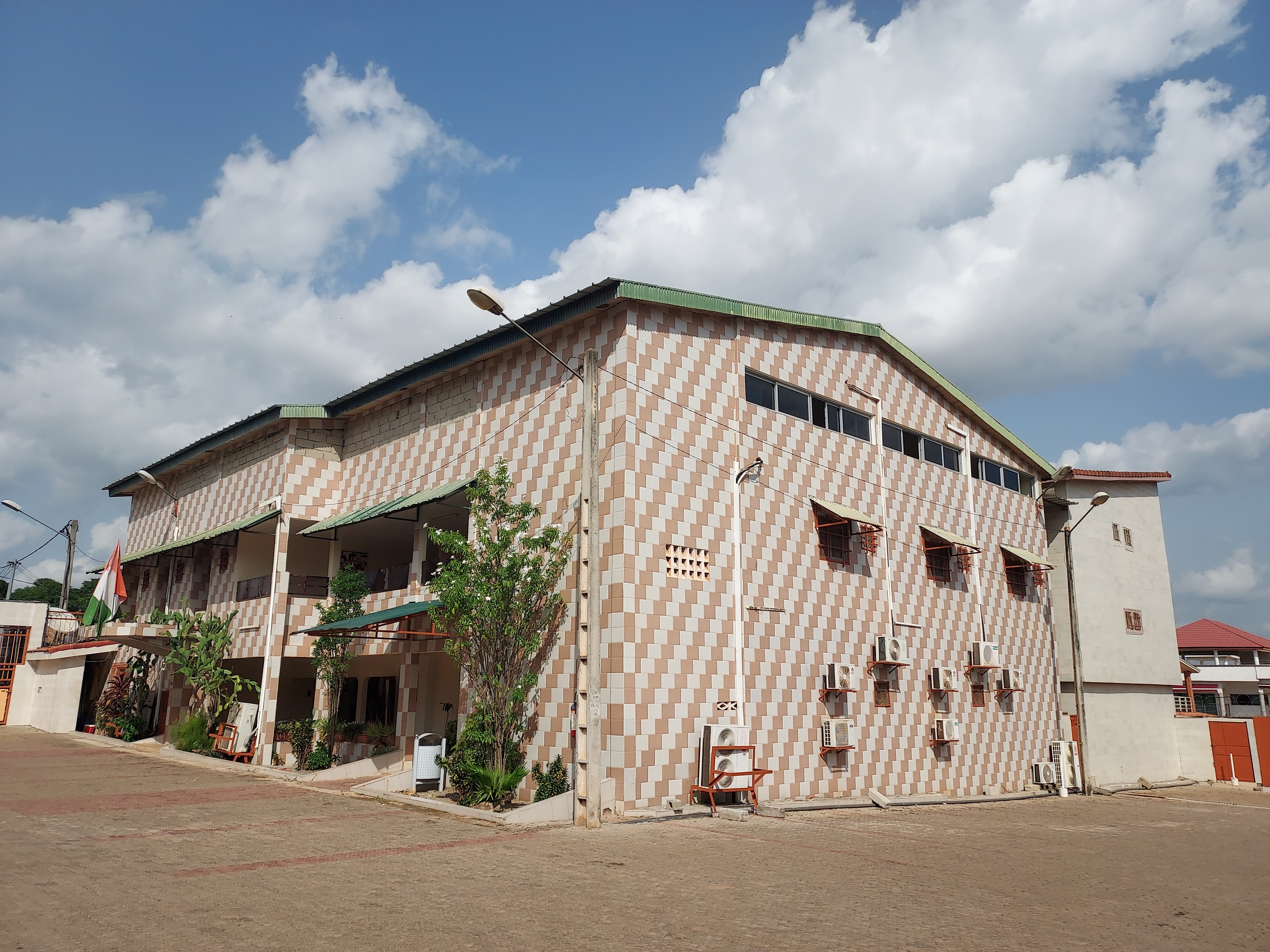
Korhogo, set in the Savanes District of northern Ivory Coast, draws travelers who want to step away from coastal itineraries and into the rhythm of inland West Africa. The city carries a quiet energy that feels distinct from the larger urban centers to the south, with a strong sense of place shaped by the Senufo people and their centuries-old traditions. For visitors curious about craft, community, and regional flavor, Korhogo offers an experience that feels rooted rather than polished for outsiders.

What follows is a grounded, city-level guide assembled from approved reference material. It is designed for travelers who like to plan with their feet on the ground rather than from a checklist of marketing promises. Read it as a starting point, then verify the moving parts — transport, religious-site etiquette, market hours, and current conditions — before you go.
Weather and seasonal context
Korhogo sits in a tropical climate belt, and daytime warmth is part of daily life. Reference data notes that the average temperature in the city runs around 26°C (78°F), a figure that reflects an average rather than the daily highs you may feel under direct sun. Travelers used to cooler climates should pace midday activities with shade, water, and rest breaks in mind.
Because the evidence here describes a single average temperature rather than a full seasonal profile, this guide treats weather as gentle context rather than a month-by-month forecast. Think of Korhogo as a warm destination where breathable clothing, sun protection, and a flexible daily rhythm will serve you well throughout the year.
Getting around
Korhogo is described as a bustling northern Ivorian city, and that bustle shows up most clearly on its streets. Getting around here feels less like navigating a tourist-friendly transit network and more like participating in everyday local life. Visitors typically rely on a mix of shared taxis, motorbike transport, and walking in the central areas, depending on distance and comfort.
One practical point worth knowing before you plan: Korhogo's public transport is not designed for travelers with mobility challenges. If you, or someone you are traveling with, requires step-free access, wheelchair access, or predictable accessible boarding, the city will require extra planning and on-the-ground verification. Stretches of uneven roadside surfaces, informal boarding points, and vehicles without ramps are part of the current reality here.
For independent travelers, the experience of moving through Korhogo can be part of its charm — but it does ask for flexibility and an openness to local transport norms rather than fixed schedules or app-based arrival times.
Attractions and planning
Korhogo's cultural footprint is its main attraction, and the city is known for Senufo culture, lively markets, and handcrafted masks. That identity is felt as much in the everyday environment as in any single landmark. Visitors interested in heritage will find that the value of the city lies in its living traditions rather than in formal museum collections.
It is worth noting that Korhogo does not have major formal museums like national institutions with extensive public collections. Travelers who arrive expecting grand gallery halls may need to recalibrate their expectations. Instead, the city's cultural depth shows up in workshops, markets, religious sites, and the craft practices that are part of daily life. Approach the visit with curiosity about the people and their ongoing traditions rather than a hunt for exhibits behind glass.
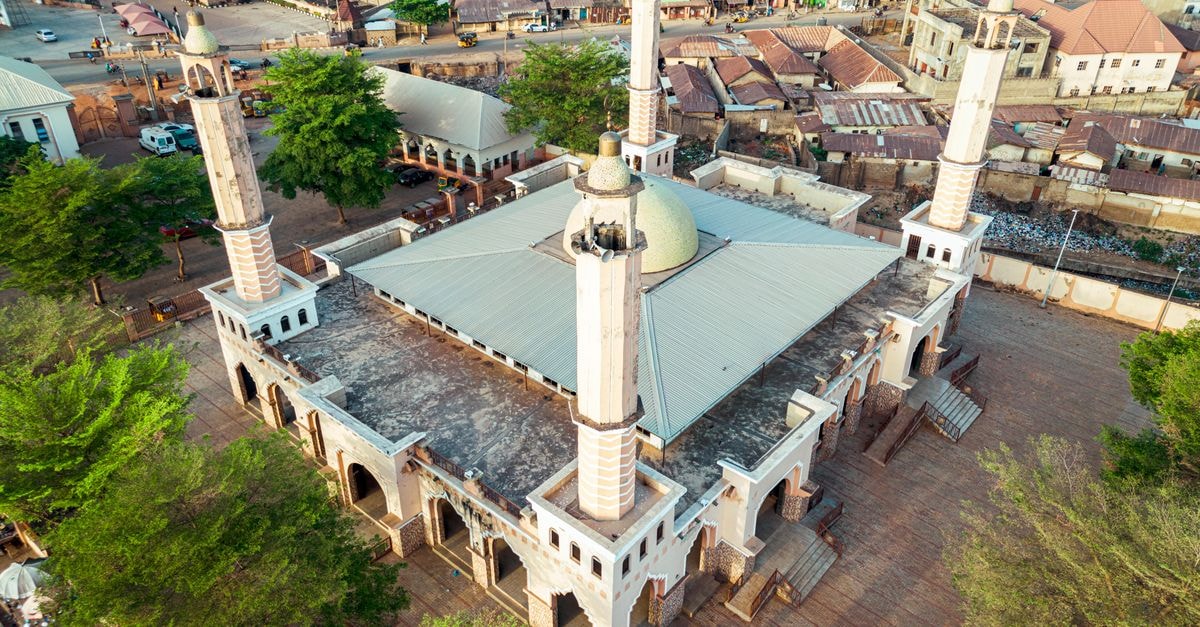
Religious sites form one of the clearest threads of the city's cultural fabric. Korhogo has a number of active mosques, including a Grand Mosque, and Christian churches. These are working places of worship first, and visitors are welcome at the discretion of worshippers and caretakers. If you plan to step inside, dress modestly, follow posted guidance, and ask before photographing people in prayer. Outside of services, simply observing the architecture and daily flow around these sites is rewarding in itself.
The city's rich cultural heritage is one of the clear highlights of any visit, and most travelers treat that heritage as something to be experienced rather than ticked off a list. Markets, religious buildings, neighborhood streets, and craft workshops are where the city's story lives.
When planning your time, keep in mind that specific hours, entry requirements, and site-by-site logistics are not detailed in the approved reference material used for this guide. Treat any pre-trip planning as a sketch, then confirm details locally or through an up-to-date visitor channel before committing your day.
Food and local context
Korhogo's cuisine stands for the Senufo region, distinct from coastal areas. That distinction matters: visitors familiar with Ivorian food from Abidjan or coastal towns will find that northern cooking has its own ingredients, staples, and flavor balances. Expect meals built around grains, leafy sauces, and preparations shaped by the agricultural rhythm of the savanna rather than the sea.
The culinary scene in Korhogo is a delightful mix of authentic Ivorian flavors and international influences. In practice, that means local dishes sit alongside more widely served options, and travelers who want to lean fully into regional food can do so without difficulty, while those who prefer familiar flavors still have choices.
For a grounded sense of the city, a visit to Korhogo's traditional markets is one of the most rewarding ways to engage with daily life. Markets here are social spaces as much as commercial ones, and they offer a direct window onto regional ingredients, household goods, and the textures of Senufo craft. Approach them as a visitor who is there to observe and buy respectfully rather than to photograph without permission. Even a short wander can anchor your understanding of the city more firmly than any single monument could.
If you want to taste the regional cooking in context, ask locally about which preparations are typical for the season you are visiting, and follow that lead into markets or neighborhood eateries. Specific restaurant names, prices, and opening hours are not covered in the approved reference material for this guide, so treat any such details as something to confirm on the ground rather than something to plan around in advance.
A short verification note
Korhogo rewards travelers who come prepared for warmth, who are open to informal transport, and who treat the city's cultural heritage as a living practice. Because approved reference material does not detail specific opening hours, current prices, transport timetables, or entry requirements for individual sites, use this guide as a structural overview and confirm the moving parts through an official channel, a local contact, or an up-to-date visitor resource before you travel. Conditions on the ground can change, and respectful, informed choices always start with current information.
Share this article
TOOLS FOR THIS PLAN
Make the Korhogo plan measurable
Choose a tool only when it answers the next question in your trip. Your values stay in the browser, and each tool offers a route back to this planning context.