A Quiet Counterpoint to the Temples

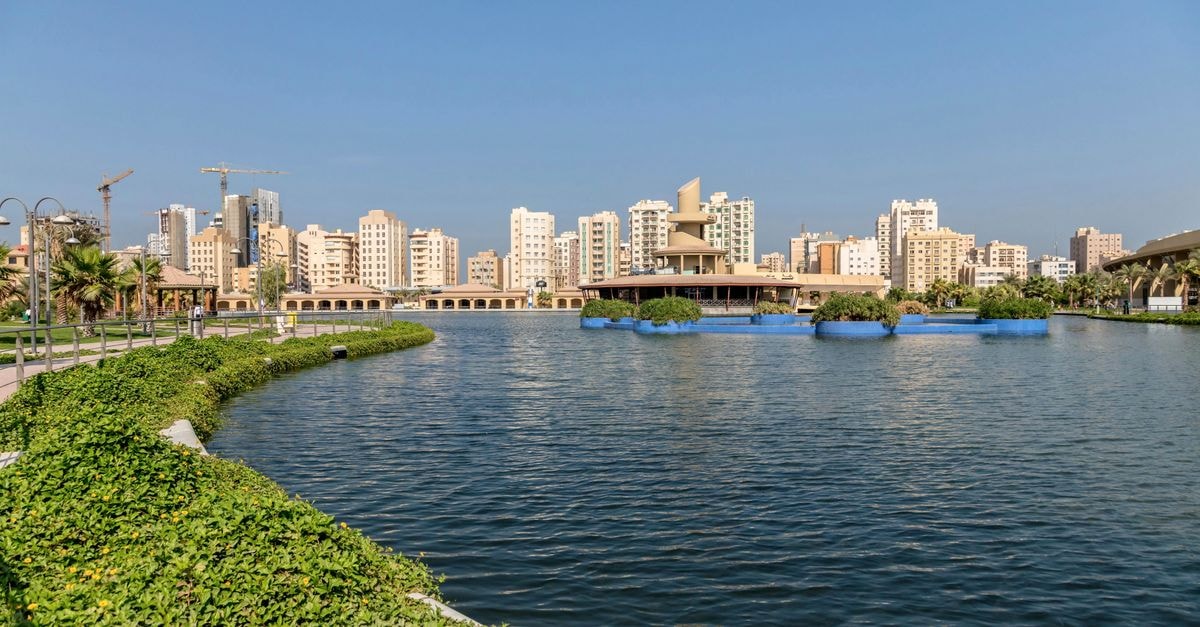
There is a particular kind of traveler who has already seen the pyramids, cruised the Nile between Luxor and Aswan, and now wants something less choreographed. Damietta, sitting in the Nile Delta where the river splits toward the Mediterranean, offers exactly that kind of swap. It is widely described as an industrial and port hub, yet it also carries a special charm for visitors drawn to authentic Delta atmosphere rather than the polished highlights further south. The contrast is part of the appeal: working waterfront commerce, the steady rhythms of a trading city, and the quiet of the surrounding agricultural landscape just beyond it.
Damietta does not try to compete with the headline sites. It is a city to arrive at with looser plans and a willingness to absorb the everyday texture of Egyptian life north of Cairo. For visitors who appreciate cities with a working backbone, the reward is a sense of place that feels lived in rather than curated.
Weather and Seasonal Context
Damietta sits in a part of Egypt where the climate runs warm for much of the year. Travelers often describe the cooler months as pleasant, and winter can be a comfortable stretch for cultural wandering, especially for visitors who prefer milder temperatures and fewer crowds. Because the city is oriented around outdoor commerce, river activity, and the agricultural land around it, dressing in breathable layers and planning the heavier exploration for early mornings can make a noticeable difference when the day heats up.
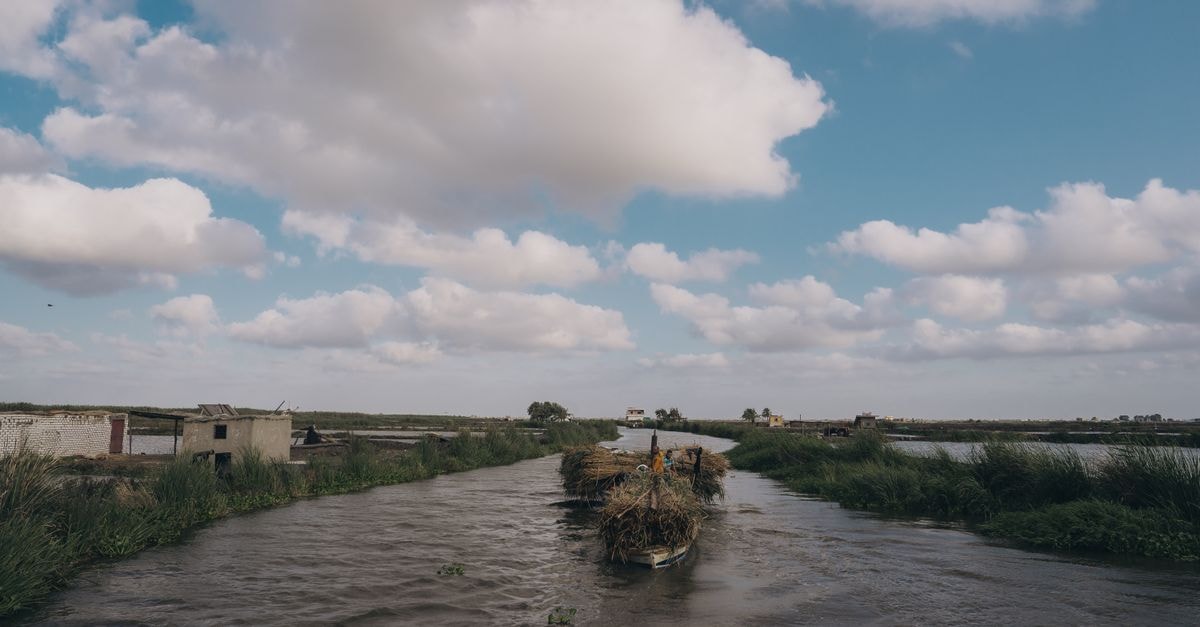
The agricultural landscape that frames Damietta also changes the way the weather feels. Open fields, breeze channels off the Nile branches, and shaded side streets all create microclimates within walking distance of each other. Travelers who pace the day around the heat, taking longer breaks in the late morning and resuming activity as the light softens, tend to find the city more forgiving. Factual conditions can change before any trip, so checking a current weather source before departure is always worthwhile.
Getting Around
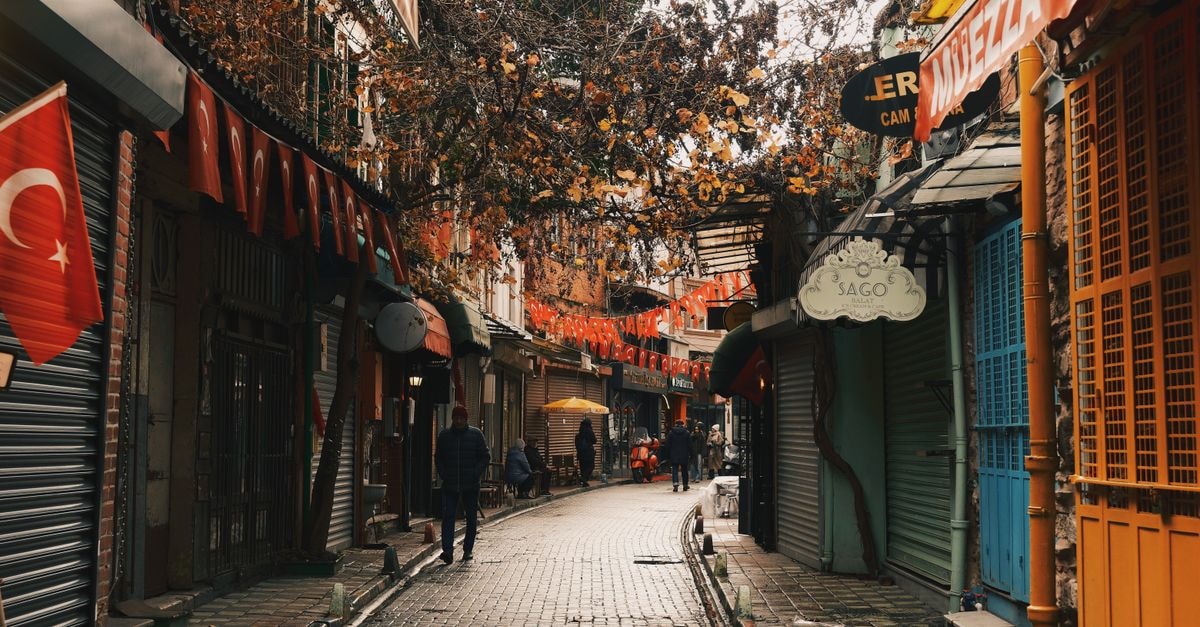
Damietta's appeal lies in the everyday Delta life that pulses along the Nile, and getting around is part of experiencing that atmosphere. The bustling local commerce along the Nile contrasts with the relative tranquility of the surrounding agricultural areas, so a short walk or ride from a working street to a quieter edge of the city can feel like crossing into a different scene entirely. Locals move between the port, the markets, the riverfront, and the residential quarters with practiced ease, and visitors benefit from following that rhythm rather than rushing between set points.
One honest framing of the city is that it offers an authentic glimpse into Delta life, characterized by that energetic commercial core along the Nile and a calmer agricultural backdrop. For independent travelers, the practical implication is simple: let the riverfront and commercial districts set the energy, and treat the surrounding villages and fields as the quieter complement. Because the city does not rely on a heavy tourist infrastructure the way Cairo or Luxor do, the experience of moving through Damietta tends to be more about informal encounters than ticketed routes. Travelers unsure of current transport options, schedules, or pricing should confirm details locally or through a current source before relying on any specific arrangement.
Food and Local Context
Damietta's food scene is best understood as part of a wider Egyptian culture of hospitality. Egypt, as a country, is known for warm hospitality, colorful festivals, and a cuisine built around sharing dishes at the table. Visitors to Egypt can experience this welcoming culture firsthand by sharing a meal with locals, trying traditional dishes, and exploring the country's markets and food scene. That nationwide context carries naturally into Damietta, where the Delta region's agricultural abundance means that simple, fresh ingredients tend to dominate daily cooking.
Sharing a meal is more than a convenience in Egypt; it is one of the most direct ways to read a place. Sitting down with locals, accepting tea, and being guided through a menu of familiar Egyptian staples can quickly turn a brief stop into a memorable encounter. Markets and street-level food vendors provide a similar window into everyday life, and they tend to reflect what is in season in the surrounding fields rather than a fixed tourist menu. Travelers curious about specific dishes, regional specialties, or current opening hours should look for up-to-date local guidance, since menus and trading hours can shift. As the most recent available reference notes, basic national facts such as Egypt's official name, the Arab Republic of Egypt, and its capital, Cairo, are useful background for any traveler arranging a longer stay or onward connections.
A Note on Verification
Damietta rewards travelers who do some light homework before arriving, and who stay flexible once they are there. Factual details about transport services, market hours, prices, seasonal conditions, and accessibility can change, so checking official channels or a current local source before departure is a sensible habit. Currency rates, in particular, fluctuate and should be treated as a reference rather than a fixed value. With that single layer of caution, the city offers something that is increasingly rare: a Nile-side Egyptian town where the everyday is still the main attraction.
Share this article
TOOLS FOR THIS PLAN
Make the Damietta plan measurable
Choose a tool only when it answers the next question in your trip. Your values stay in the browser, and each tool offers a route back to this planning context.