Where the Nile meets the Mediterranean past

Founded in the 9th century, Rosetta flourished during the Ottoman era and still shows that legacy in its architecture today. It is also famously linked to the Rosetta Stone, which was discovered at nearby Fort Julien and became the key that allowed scholars to decipher Egyptian hieroglyphs. For travelers who love layers of history, walking through Rosetta feels like reading an older, slower chapter of Egypt.
This guide gathers what visitors should know before arriving: how to plan the trip, what to focus on once you are there, and the broader Egyptian food culture you may encounter along the way.
Weather and seasonal context
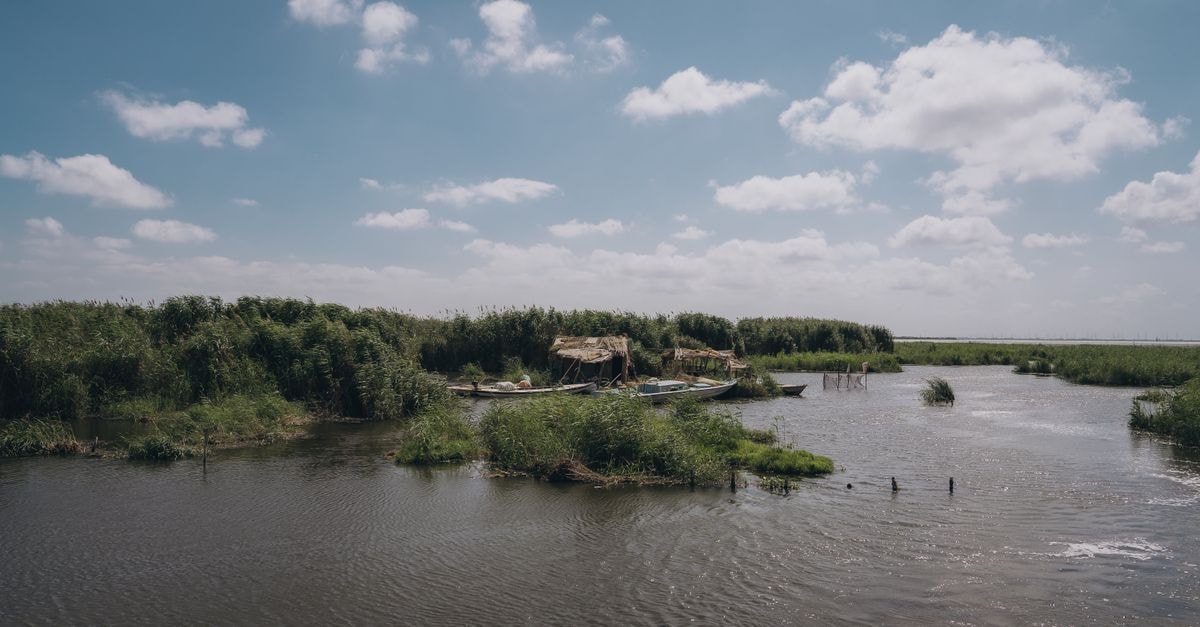
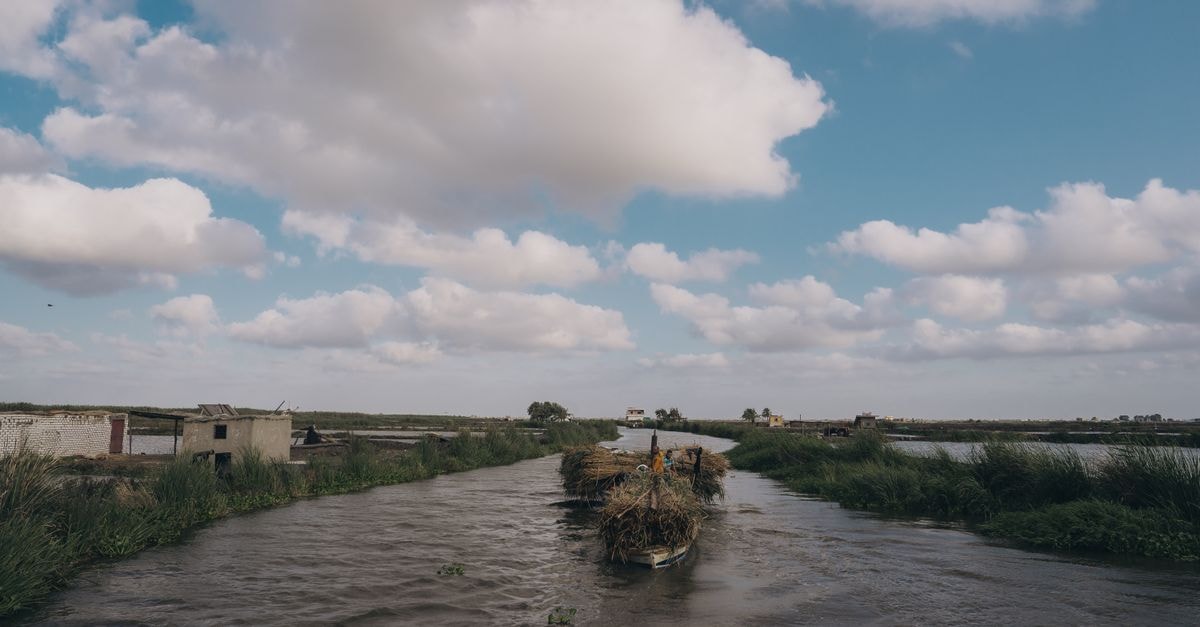
Rosetta sits at the edge of the Nile Delta where river and coast meet, and that geography shapes how comfortable a day on foot really feels. Delta summers can be long and humid, with the heaviest heat generally easing as the calendar turns toward autumn and winter. Lightweight clothing, sun protection, and a willingness to pace the day around the cooler mornings and later afternoons will serve most travelers well.
The city's compact historic core is easy to explore on foot, and the older streets were designed for shade and sea breeze rather than speed. Mornings tend to feel calmer for photography, while the riverfront opens up nicely as the sun drops. Because humidity can linger, breathable fabrics and a refillable water bottle are practical companions for any walk through the old quarter.
If you are planning a longer visit, layering a light sweater or scarf for air-conditioned interiors and evening river winds is a small comfort that tends to go a long way.
Getting around
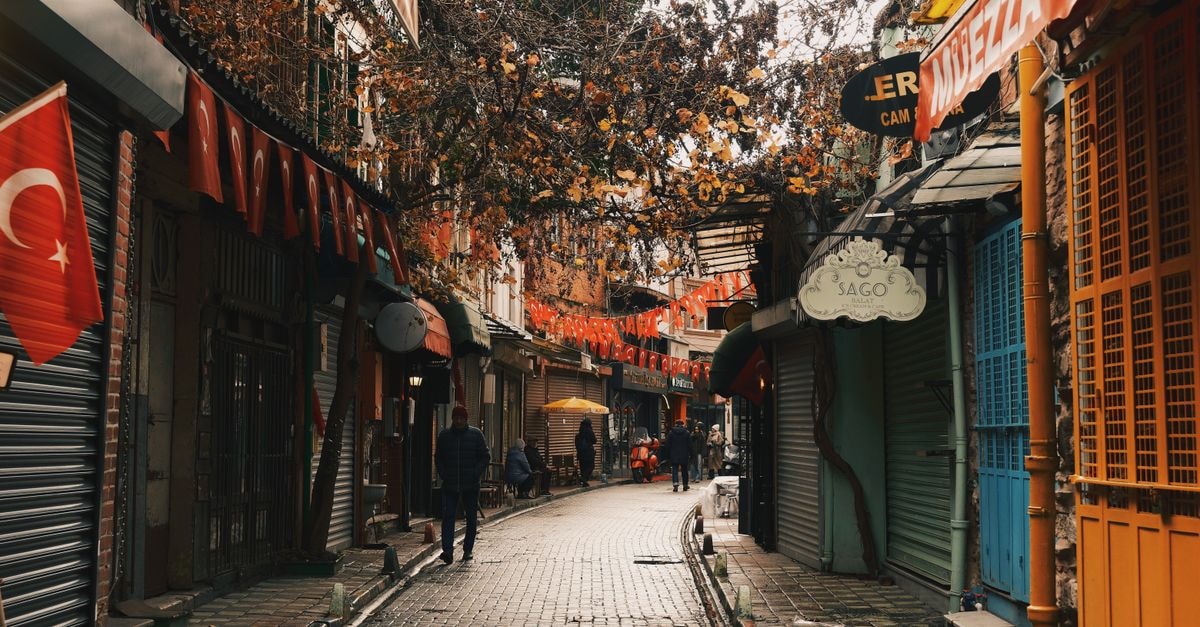
Rosetta is small enough that most visitors experience it on foot, especially inside the historic core where Ottoman-era houses, mosques, and old merchant homes cluster close together. The streets are narrow and the atmosphere is unhurried, which makes wandering one of the real pleasures of a visit.
Travelers often reach Rosetta as part of a longer Nile Delta itinerary rather than as a standalone destination. Tour packages position the city as a relaxed day escape from larger hubs, with operators describing Rosetta as a historic port city where the legendary Rosetta Stone was discovered in 1799. From Cairo, packages starting around USD 130 are listed by some travel companies for a guided day trip to the city.
For independent travelers, arranging transport from Alexandria or Cairo in advance, whether by private car or shared service, is the most common way to arrive. Once in town, the easiest approach is simply to walk, pause for tea, and let the route unfold between landmarks. A taxi or short ride can bridge longer distances, but the rhythm of Rosetta rewards slow exploration.
Attractions and planning
The cultural heart of Rosetta lives in its Ottoman architecture and its connection to one of the most famous discoveries in the history of writing. Founded in the 9th century, the city flourished during the Ottoman era, leaving behind a legacy of stunning architecture that still shapes its skyline today.
The most resonant historical draw is the link to the Rosetta Stone, which was discovered in nearby Fort Julien. That find became the breakthrough that made it possible to read Egyptian hieroglyphs, and it gives the modern town a unique place in world history. Visitors interested in the wider story can plan time around the area where the stone was uncovered.
To round out the day, the National Museum of Rosetta offers a focused stop. The museum highlights the city's rich history and its role in connecting Egyptian and Mediterranean cultures, making it a fitting closing chapter for travelers who want context before they leave. Its compact scale suits a relaxed afternoon visit, and it pairs naturally with a slower walk through the surrounding old streets.
Because the historic core is dense, a sensible plan is to focus on two or three anchor stops and leave generous time between them for photography, tea, and people-watching along the river.
Food and local context
Rosetta's port-side setting means the wider Egyptian food culture shows up naturally in the everyday rhythm of the city. Visitors will find that legendary monuments and warm hospitality tend to go hand in hand with colorful festivals and delicious cuisine, and the country's food scene is widely described as vibrant and welcoming.
Practical habits that help: eat where locals are eating, ask what is fresh that day, and accept that mealtime can stretch into conversation. If you are unsure about a dish, pointing at what a nearby table is enjoying is usually the most reliable guide.
A slow traveler's note
What makes Rosetta special is its scale. The city does not try to compete with the pyramids or the museums of Cairo, and that is exactly the point. It offers a quieter window onto Egypt, one shaped by river light, Ottoman doorways, and the long shadow of the Rosetta Stone.
Pack light, walk slowly, leave room in the day for unplanned stops, and let the delta pace set the rhythm. Rosetta rewards travelers who arrive curious and leave unhurried.
Factual travel conditions can change over time, and official channels should always be checked for the latest information on transport, opening hours, and entry requirements before departure.
Share this article
TOOLS FOR THIS PLAN
Make the Rosetta plan measurable
Choose a tool only when it answers the next question in your trip. Your values stay in the browser, and each tool offers a route back to this planning context.