A grounded first look at Dhanbad

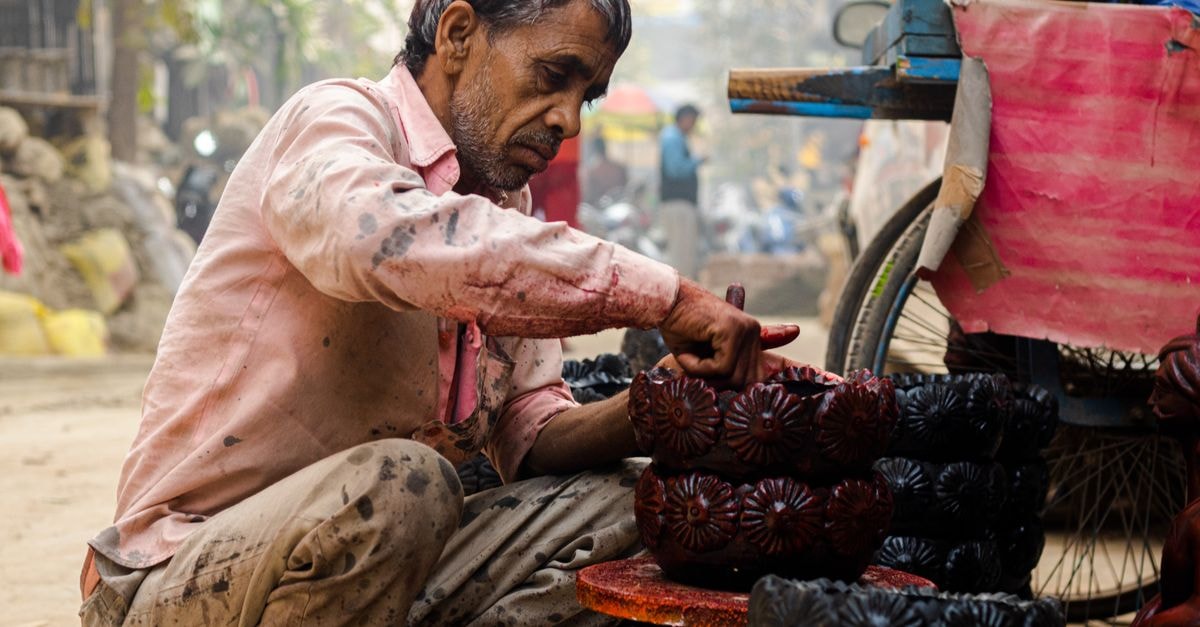
Dhanbad sits in Jharkhand, in the heart of India's long-running coal country, and it wears that identity without dressing up for visitors. The city is less about polished showpieces and more about working rhythms: a rail-side economy, everyday market stalls, and a quieter religious corner just outside the urban core. Travelers who enjoy reading a place through its textures rather than its landmarks will likely find Dhanbad rewarding in a low-key way.
The feel of a Dhanbad visit tends to be unhurried. There is no headline waterfront or single iconic skyline that defines the city, and that absence is part of its character. Pilgrims pass through on their way to nearby sacred sites, business travelers stop in for the coal and power industries, and curious wanderers can settle into a calmer pace than they would find in Jharkhand's larger cities. If you prefer a trip built around atmosphere and unhurried meals rather than a packed checklist, the city invites that kind of attention.
Weather and seasonal context
Dhanbad's year includes a clearly cooler stretch, and visitors who enjoy milder afternoons and softer light may find this a comfortable time to walk around. The city sits in a part of eastern India where the air can feel humid for much of the year, with light winds being the norm rather than dramatic breezes. Mornings tend to feel mild while afternoons warm up, so layered clothing usually makes sense, with a light layer for early starts and breathable fabrics for the midday hours.
Rainfall in the city follows a wet pattern through much of the year, and the moisture lingers in the air even on clearer days, which is why the humidity reading often gets mentioned. Travelers sensitive to muggy conditions may want to plan shorter outdoor blocks and step into a café or shaded spot during the warmest hours. On the other hand, the greenery that follows the rains gives the city a softer visual texture, and the cooler afternoons are genuinely pleasant for slow walks rather than marathon touring. Pacing the day with a longer midday break often feels more natural here than rushing between stops.
Getting around
Dhanbad is connected primarily by road and rail rather than by air for regular travelers. The local airport is described as being used for private small aircraft and helicopters, with no public air-link currently operating, which means most independent visitors arrive by train or by road from other Jharkhand cities and from neighboring states. That detail quietly shapes the trip: arriving overland often means stepping straight into the city's working pace, with the rail station and main roads forming a natural first impression.
Because there is no commercial flight connection in the source material, it is worth planning arrival and departure around train or bus timings rather than assuming a flight option. Within the city, day-to-day travel tends to reflect its regional-town rhythm, so travelers who enjoy figuring out local transport as part of the experience will find that aspect of the trip straightforward. Anyone who strongly prefers airport-to-hotel transfers may want to reconsider Dhanbad as a flight-light destination and approach it as a road or rail stop instead.
Attractions and planning
Dhanbad's sightseeing footprint is modest, and the most commonly cited cultural and historical point is Charak Pathar, a site of religious and historical significance within the district. It draws pilgrims and curious visitors who want a quieter, more contemplative stop rather than a busy heritage complex. The site carries a sense of place tied to local tradition, and visits there tend to be reflective rather than rushed.
Because the source material highlights a single named cultural point rather than a long list, a Dhanbad itinerary works best when it leaves room for slow observation. Travelers who appreciate pilgrimage sites, small-scale historical landmarks, and unhurried local neighborhoods may find the city's offering well matched to their interests. Visitors looking for a dense lineup of major monuments may want to set expectations accordingly and balance the trip with food stops, market walks, and easygoing evenings rather than packing in attractions that the available evidence does not describe.
Food and local context
Food in Dhanbad is described as being less about elaborate spicing and more about celebrating indigenous ingredients with simple cooking techniques. That framing sets the tone: meals here are direct, hearty, and grounded in local produce rather than dressed up for tourists. Travelers who enjoy honest, ingredient-led cooking will likely feel at home with the local style.
Among the signature dishes associated with the city is Litti Chokha, which features roasted wheat balls stuffed with sattu and served alongside chokha, a mash of potatoes, eggplant, or tomatoes, finished with clarified butter (ghee). It is a dish that reads like a meal meant to be eaten with hands, slowly, and it gives visitors a clear entry point into the regional table. Dining options in the city lean away from fine dining and toward more everyday formats, so travelers who prize elaborate restaurant experiences may want to reconsider their expectations and embrace the simpler, more local settings that the food culture points toward.
Visitors curious about broader India-wide dishes they may encounter while traveling through Dhanbad should know that Indian cuisine across regions often features lentil-based staples, rice dishes, and flatbreads paired with seasonal vegetables and chutneys. This wider context can help frame what shows up on a Dhanbad table without suggesting that any specific dish is unique to the city itself. The practical takeaway is simple: come ready for grounded meals, ask locally about what is freshly prepared that day, and treat the food scene as part of the city's everyday life rather than a separate tourist attraction.
Choosing what fits your trip
Dhanbad tends to suit travelers who are comfortable with a slower, more locally rooted pace, who arrive overland rather than by air, and who are curious about pilgrimage heritage and simple regional cooking. The tradeoffs are equally clear: visitors who want commercial flights in and out, a dense slate of marquee attractions, or a polished fine-dining scene may find the city quieter than they expected. Planning around a small number of meaningful stops, leaving space for unhurried meals, and treating the trip as a window into Jharkhand's working coal-country rhythm usually makes the experience feel rich rather than sparse.
A quick verification note
Because Dhanbad's offerings center on a working city rather than a high-volume tourism hub, a few practical details are worth confirming close to your visit. It is reasonable to check current train or road connections, the operating status and visiting hours of Charak Pathar, and what local eateries are open during your travel window. Factual conditions on the ground can change, and official local channels or the district administration's published information remain the most reliable source for up-to-date details before you set out.
---
*Factual travel conditions can change. Rates, timings, services, and site access should be verified through official channels before departure.*
Share this article
TOOLS FOR THIS PLAN
Make the Dhanbad plan measurable
Choose a tool only when it answers the next question in your trip. Your values stay in the browser, and each tool offers a route back to this planning context.