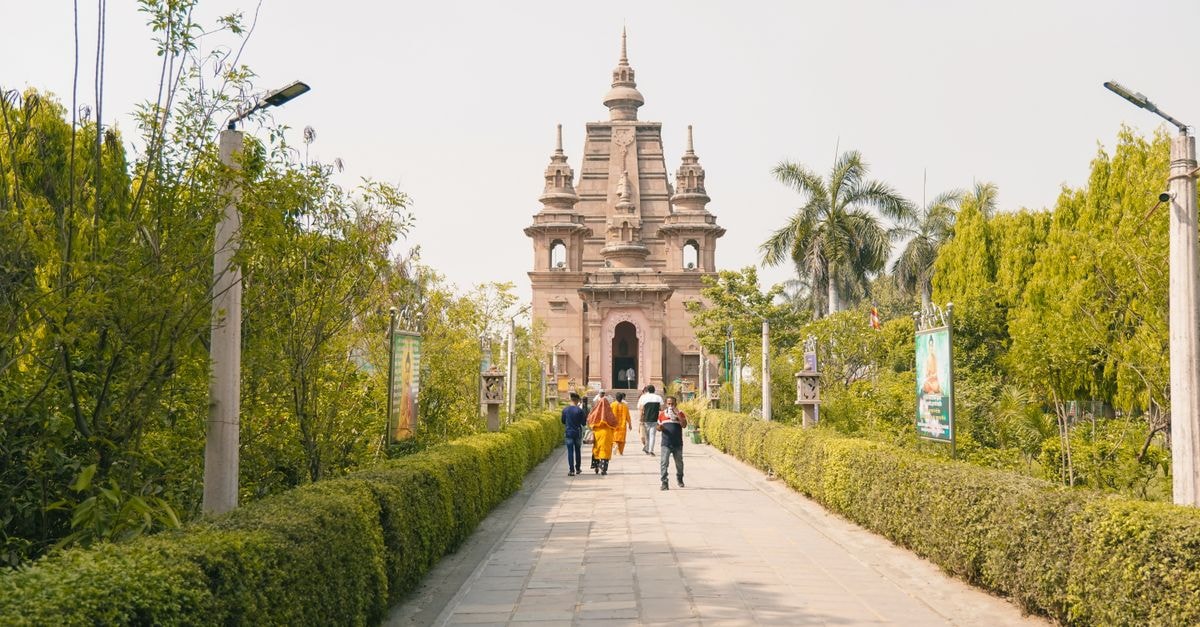
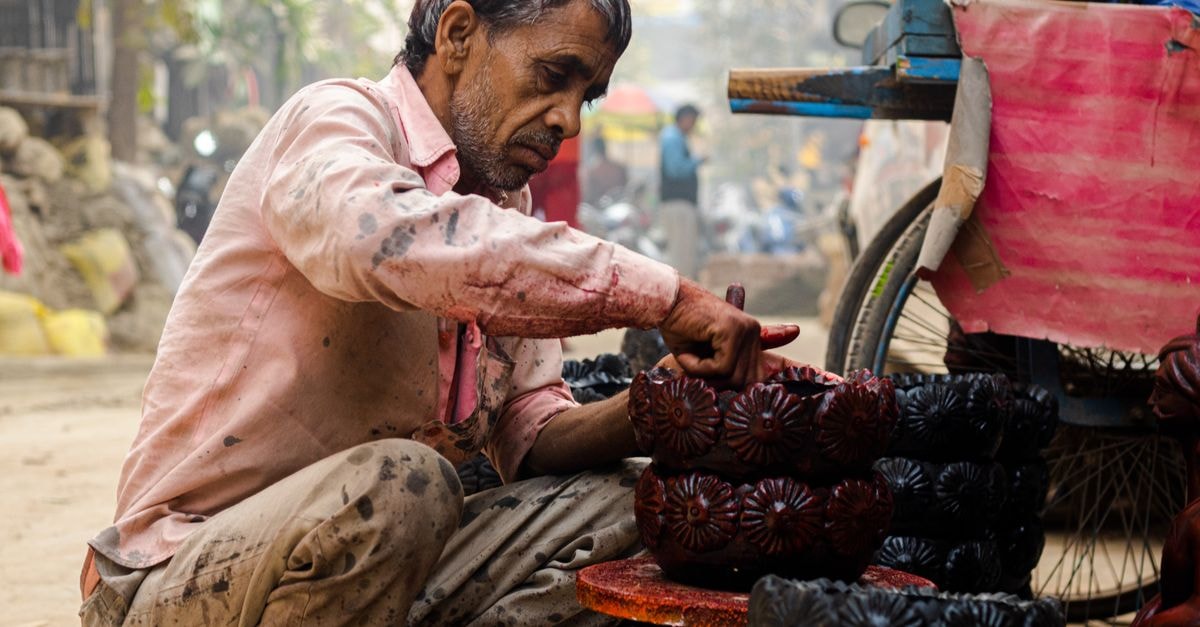
There's a quiet pull to Gaya that goes beyond its role on the pilgrimage map. Set in Bihar, the city carries the weight of centuries of devotion alongside a working, lived-in energy where small sweet shops, chowk lanes and temple bells share the same rhythm. For travellers, this means a destination where the headline sights unfold slowly, and where eating well is treated less as a side activity and more as part of how the city is experienced.

The character of Gaya and what to expect
Gaya's identity is rooted in tradition. The wider district is recognised as a place of pilgrimage, and the city has long been a stopping point for visitors coming to the Bodh Gaya area and the broader holy circuit in Bihar. Tourism infrastructure reflects that heritage, with the official district tourism presence framing the area around important places to visit rather than around a packed itinerary of modern attractions.
For a traveller, this shapes the rhythm of a visit. Days in Gaya tend to feel contemplative rather than hurried, with mornings shaped by temple routines and evenings by neighbourhood gathering spots. The city does not position itself as a high-energy urban stop, and travellers who arrive with that expectation often find the real pleasure in slowing down.
Attractions and planning
The official district tourism portal for Gaya frames its visitor role simply: it highlights important tourist places to visit in the district. That understated framing is honest — Gaya's appeal is concentrated in its cultural and religious sites, and the experience of visiting them tends to be more about atmosphere than ticketed entry or a packed schedule of museums.
When planning time here, it helps to give yourself breathing room around the main points of interest. The pattern of devotion that runs through the city means early hours are often the most peaceful for visiting sacred sites, while the rest of the day unfolds into local life. Travellers who prefer a slower pace with one or two meaningful stops per day rather than a checklist tend to find the format suits the city well. Consider organising any pre-trip research through the official district tourism space first, then layering in local guidance for the smaller, less-publicised corners that regular visitors tend to discover once they are already in town.
Food and local context
Gaya's food culture is a delightful blend of traditions and cultures that flourished for decades, and that blend is visible the moment you start walking through the city. From ancient recipes passed down through generations to many new adaptations, the culinary scene keeps evolving to fit the palate requirements of tourists — without losing the base flavour notes that locals still gravitate toward. For travellers, this is one of the more approachable parts of a Gaya visit, because the food tells the same layered story as the city itself.
A simple rhythm works well: a sweet or two near Vishnupad during the day, an evening plate of chaat or pani puri near Gandhi Maidan, and a Litti Chokha or kachori stop around the station area before wrapping up. Travellers who enjoy walking neighbourhoods in the evening and eating standing up at a counter will find this layout particularly rewarding, while those who prefer sitting down at a fixed restaurant for every meal can use these neighbourhoods as a way to identify the dishes they like and then ask locally about the best sit-down places serving them.
The bites to prioritise, if you want a short list, are Litti Chokha, Samosa and Kachori around the Junction area, Tilkut and Peda around Vishnupad, and Chaat and Pani Puri near Gandhi Maidan. Prices across these three pockets cluster in the ₹20–80 band, which keeps a food-focused evening easy on the wallet.
A few sensible touches for the road
Bihar sits within a broader Indian food landscape, and visitors to Gaya may encounter familiar patterns of how food is served and shared across the country — from the rhythm of thali eating to the way street-side stalls are approached. Treating Gaya's plates as a regional expression of that wider culture can help set expectations without overgeneralising.
Because Gaya's culinary reputation leans heavily on sweets and fried snacks, travellers who want a lighter approach to the day can build meals around one richer stop (the sweets near Vishnupad, or a heavier plate near the Junction) and pair it with simpler chai or fruit-based breaks elsewhere. There is no need to chase a full itinerary of stalls — three well-chosen neighbourhoods will already cover the city's defining flavours.
Choosing what fits your trip
If your main interest is cultural and spiritual heritage, anchor your days around the district's important visiting places and let the temple-side sweet shops act as a natural pause rather than a separate agenda. Travellers who arrive with a food-first mindset will get the most out of splitting the city into three evening-friendly zones — Junction for savoury, Vishnupad for sweets, Gandhi Maidan for chaat — and pacing them across separate visits rather than one long crawl. For anyone who prefers quiet mornings and busier evenings, the street food rhythm around the Junction area and Gandhi Maidan is naturally evening-led, while the sweets near Vishnupad remain accessible through the day. The city's slow tempo and its layered food culture make it a natural fit for travellers who want depth over checklist coverage.
Before you go
Prices, opening hours and food recommendations are based on published guidance at the time of writing and can change. Local conditions may also shift with season, festivals and ongoing works around key sites. Before travelling, it is worth cross-checking current information through the official district tourism portal for Gaya and any updated local listings, so that your plan reflects what is actually open and running when you arrive.
Prices, opening hours, schedules, reservation rules, and local conditions can change; verify them through official channels before departure.
Share this article
TOOLS FOR THIS PLAN
Make the Gaya plan measurable
Choose a tool only when it answers the next question in your trip. Your values stay in the browser, and each tool offers a route back to this planning context.