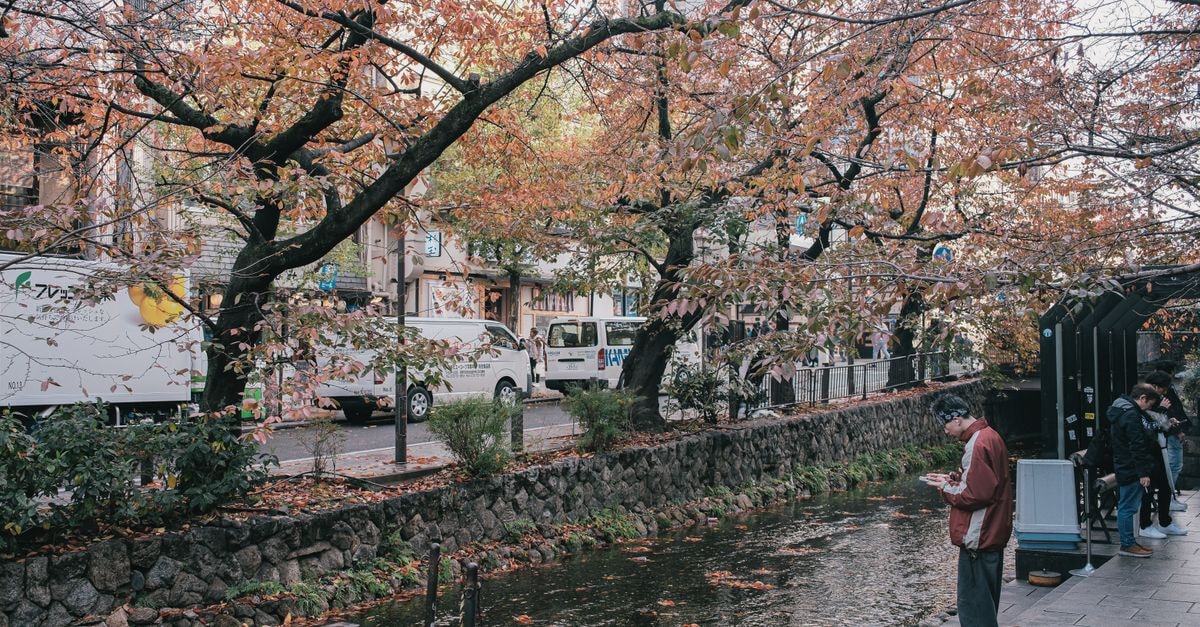
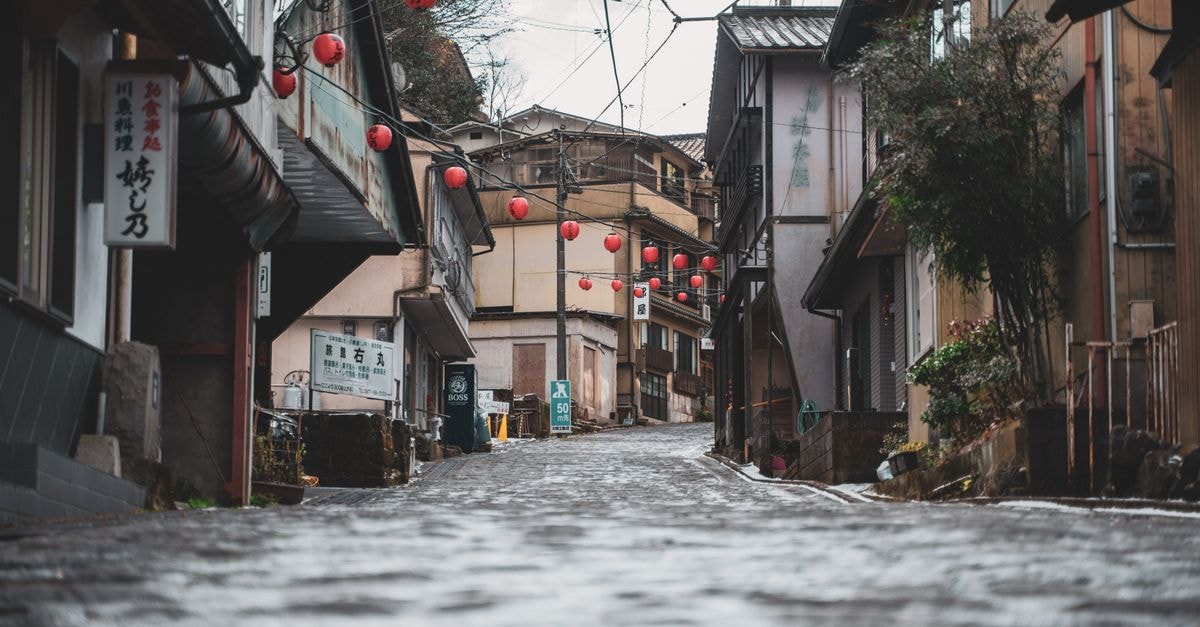
A slower pocket along the Seto Inland Sea

If you are the type of traveler who prefers a slower pace, with time for neighborhood wandering and unhurried dining rather than back-to-back sightseeing, Fukuyama may suit you well. The city's character comes through in small encounters — a quiet café near the station, a low-key izakaya evening, or a simple seafood plate tied to wider Japanese seafood traditions. Treat the city as a base for everyday moments rather than a checklist.
Getting around and finding your footing
Fukuyama is served by a local Wikivoyage travel page that functions as a community reference point for visitors, with a travel forum where upcoming plans, past trips, and general travel questions are openly discussed.
For practical orientation, the local tourist association maintains a multilingual guide site aimed at international visitors. Because guide pages like this can change without warning — including the dead-link note that appears in the reference source itself — it is worth treating any printed listing, map, or recommendation as a starting point and confirming details through the official tourist association before you set out. Independent travelers who prefer to verify opening hours and addresses themselves will find this kind of source-checking especially useful, while visitors who would rather rely on their hotel concierge may want to ask at check-in instead of digging through websites on the road.
Food and local context
Fukuyama's dining scene is described in travel references as diverse and reflective of local culture, ranging from cozy izakayas to bustling ramen shops. That description is a useful frame: rather than one signature dish, the city offers a spread of casual, everyday food experiences that line up with what a visitor might expect from a regional Japanese city.
Two wider Japan food references add useful context for anyone eating their way around Fukuyama. Seafood is a defining feature of Japanese cuisine because the country is an island nation where warm and cold currents meet, supporting rich fishing grounds and a distinctive seafood culture that visitors will encounter in many forms across Japan. Japanese food culture is also shaped by washoku and the influence of local farms, which feed everyday cooking across the country.
For most travelers, the easiest approach is to treat meals as part of the day's rhythm: a light breakfast near the station, a slow lunch built around whatever looks fresh, and an izakaya evening that lets the city's working-class food culture come forward. Because specific restaurant names, prices, and hours are not included in the approved sources here, ask locally for current recommendations rather than relying on older written lists.
Choosing what fits your Fukuyama trip
Fukuyama's appeal lies less in a packed itinerary and more in the texture of an ordinary Japanese city. Travelers who enjoy slow-paced city visits, walking between nearby points rather than covering long distances, and choosing restaurants based on local suggestions will find a comfortable fit here. Food-focused travelers will appreciate that the city's dining scene, paired with wider Japanese seafood and washoku traditions, offers plenty of room to explore without needing a fixed plan.
By contrast, visitors who want a dense schedule of major sightseeing stops, fast-paced nightlife, or well-known headline attractions may find Fukuyama quieter than expected. The trade is intentional: in exchange, the city rewards unhurried walking, casual neighborhood discovery, and meals chosen in the moment rather than booked weeks in advance.
A note before you go
Travel details change. Transport information, restaurant recommendations, tourist association pages, and neighborhood character can all shift over time, so official channels should be checked before departure for the most current guidance.
A short verification question before arrival — for example, confirming whether the local tourist association's multilingual guide page is still live and current — can save time and help you orient faster once you are in Fukuyama, since the reference source itself flags a possible dead link.
Share this article
TOOLS FOR THIS PLAN
Make the Fukuyama plan measurable
Choose a tool only when it answers the next question in your trip. Your values stay in the browser, and each tool offers a route back to this planning context.