Setting the Scene in Diourbel
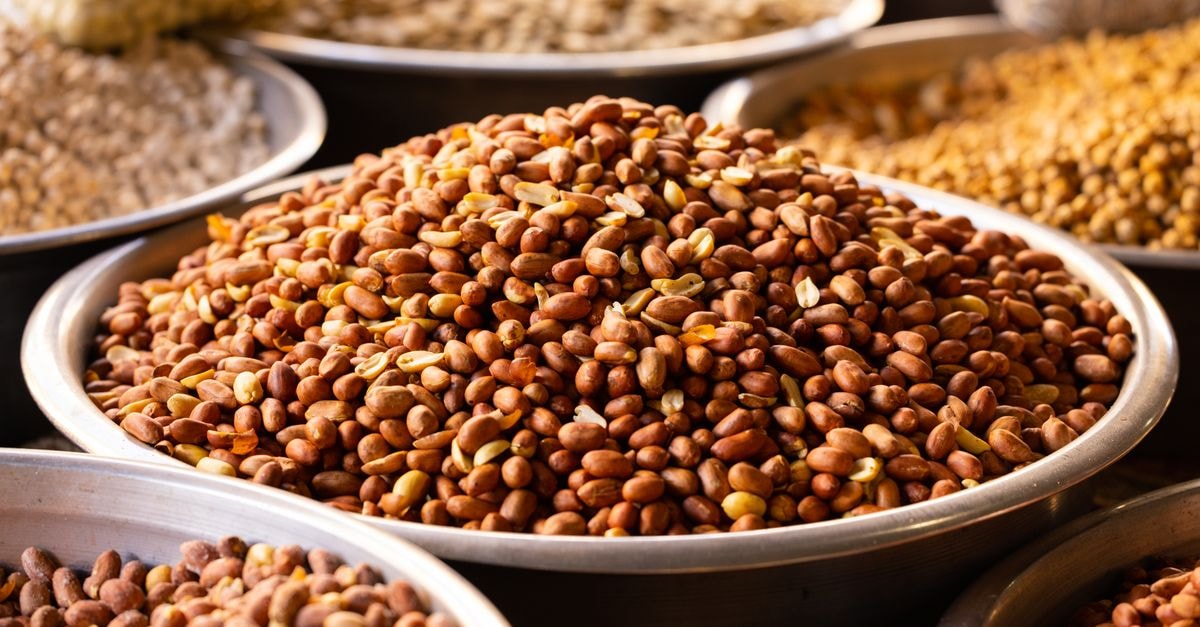
Diourbel sits in the peanut-growing heartland of Senegal, a working city whose streets pulse with the rhythm of markets, motorbike traffic, and the steady westward pull toward Touba. There is a softer hush here than in the coastal capital: the skyline is lower, the air smells faintly of dusty earth and roasted groundnuts, and the pace rewards travelers who like to settle into a place rather than sprint through it. The city itself is a useful base for anyone curious about inland Senegal, especially because its identity is closely tied to the spiritual gravity of its neighbor Touba and the agricultural trade that has long sustained the region.
Travelers often arrive in Diourbel expecting a checklist of polished monuments and leave appreciating something less tangible instead: a feel for how a mid-sized Senegalese city breathes between harvest seasons, and how faith, family, and the peanut economy quietly shape the everyday.
Weather and Seasonal Context
Diourbel's climate is firmly Sahelian, which means the year tends to read as a long warm stretch broken by a shorter, greener rainy window. A representative daytime reading from the Met Office pegs the high somewhere in the **38–39°C** range, with overnight lows around **24–25°C**, a spread that explains why mornings and the post-sunset hours feel like the most comfortable windows for walking around [F1-1, F1-2].
Because the heat is persistent rather than extreme in the European or North American sense, the city usually rewards a slow rhythm: lunch in the shade, a long afternoon pause, and movement again as the light softens. Lightweight cotton, a wide-brimmed hat, and a refillable water bottle tend to matter more here than any single weather accessory. The general climate write-up available for the city frames December as a warm, lower-rainfall window, which is a useful reminder that the cooler, drier months can feel especially friendly for travelers who do not love high heat [F2-1].
If you prefer fewer hours of sweltering heat, consider pacing the day around early mornings and golden hour, and treating the middle of the day as a rest window rather than sightseeing time.
Getting to and Around Diourbel
Most travelers approach Diourbel overland. Several long-distance bus companies run routes from Dakar to the city, and the journey typically averages around **2 hours** by road, which makes Diourbel a realistic stop on a wider Senegalese itinerary without a heavy time commitment [F3-1].
For those connecting through the wider Touba area, planning the arrival and departure in advance shapes the experience more than many travelers expect, because road transport in this part of Senegal rewards a little patience and a clear sense of departure times [F4-1]. International air arrivals into Senegal typically feed into the country's main gateway before any overland leg continues toward the interior, and the same source notes that major foreign carriers serve the country's principal international airport, abbreviated **DSS**, which functions as the typical entry point for onward travel toward Diourbel [F4-2].
If you prefer to skip transfers, basing yourself in Dakar and using Diourbel as a day stop or overnight is workable given the short road journey.
Attractions and Planning Your Visit
Diourbel's biggest draw is not a single monument within the city itself but its proximity to **Touba**, home to the **Great Mosque of Touba**, one of the most significant religious sites in Senegal and a powerful cultural landmark for the Mouride brotherhood [F5-1]. The relationship between the two cities is part of what makes a visit here feel layered: you are in peanut-farming country that is also deeply shaped by faith, pilgrimage, and the movement of worshippers.
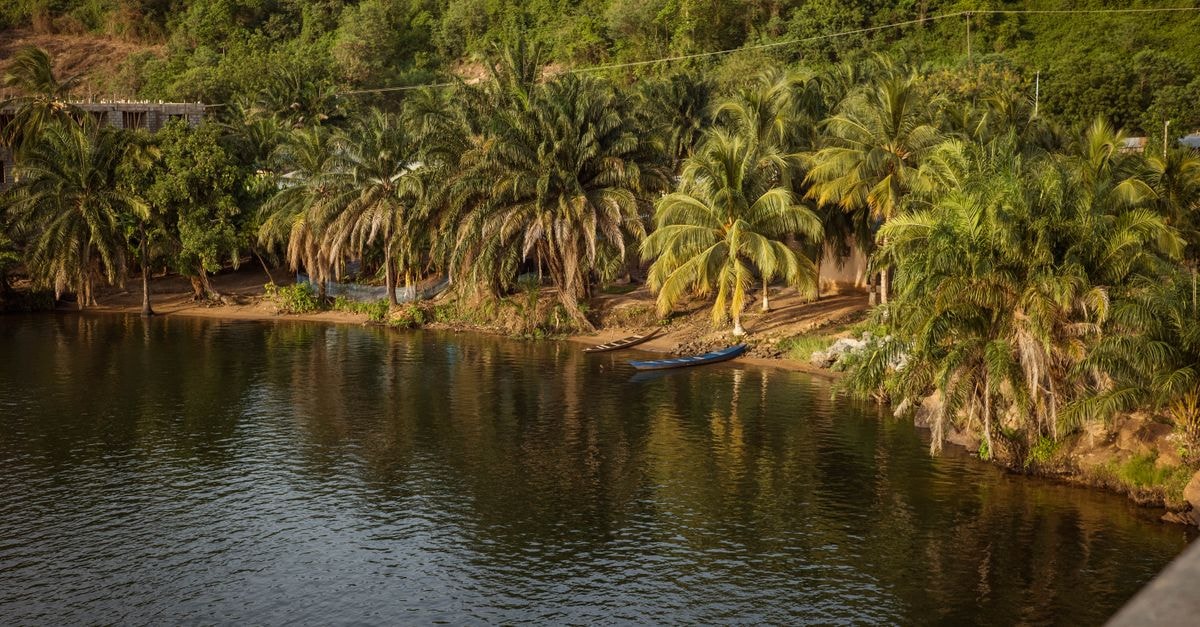
For travelers who like gentle outdoor time, trekking along the **Senegal River** in the Diourbel area is framed as a relaxed outing, with easy trails through green river-edge vegetation and a scattering of historic sites along the way. Hiking here tends to suit beginners rather than experienced trekkers, which is worth knowing if you have been hoping for something more strenuous than a riverside walk [F5-2].
If you would rather absorb the city than drive between sights, a simple plan works well: wander the central area, pause for tea, and let the peanut trade set the visual texture of your day.
Food and Local Context
Eating in Diourbel is more about the everyday staples of Senegalese home cooking than a tasting-menu scene. The markets, rather than restaurants, are the most revealing places to understand what the region actually eats and produces. The local economy visibly turns on **peanuts**, and a walk through the busy central markets gives travelers a clear picture of how the harvest travels from field to trader to kitchen [F6-2].
Across Senegal as a whole, meals typically center on **thieboudienne** (fish and rice), grilled meats, and peanut-based sauces that show up in stews, pastes, and breakfast porridges. As wider Senegal context that visitors may encounter while in Diourbel, peanut sauce in particular tends to be a near-constant presence on local plates, simply because the crop is everywhere around you. Treat these as national staples rather than city signatures, and pair your market browsing with a sit-down meal at a neighborhood spot serving rice, grilled fish, and a cold drink to round out the picture.
Choosing What Fits Your Trip
For a short, focused visit, Diourbel suits travelers who want a quieter inland base with easy road access from Dakar, an obvious pull toward Touba's religious heritage, and an unhurried feel that rewards walking, market-watching, and casual riverside outings more than packed museum schedules. The heat suggests pacing the day around early mornings, the post-sunset window, and lazy middle-of-the-day pauses [F1-1, F1-2]. Travelers who crave a busy nightlife, a deep urban scene, or a long list of ticked-off monuments may prefer to keep Diourbel as a brief stop en route to more layered destinations rather than a standalone week.
If you prefer a slow rhythm over a packed schedule, consider treating Diourbel as a base for a single full day, with Touba as the focused outing and the riverside trails as a softer add-on rather than a checklist item [F5-1, F5-2].
A Note Before You Go
Conditions in Diourbel, from bus timetables to market days, can shift, so it is worth checking current transport schedules and any local guidance through your accommodation or official channels shortly before you travel. Factual details in this guide reflect available records and may have evolved by the time you visit.
Share this article
TOOLS FOR THIS PLAN
Make the Diourbel plan measurable
Choose a tool only when it answers the next question in your trip. Your values stay in the browser, and each tool offers a route back to this planning context.