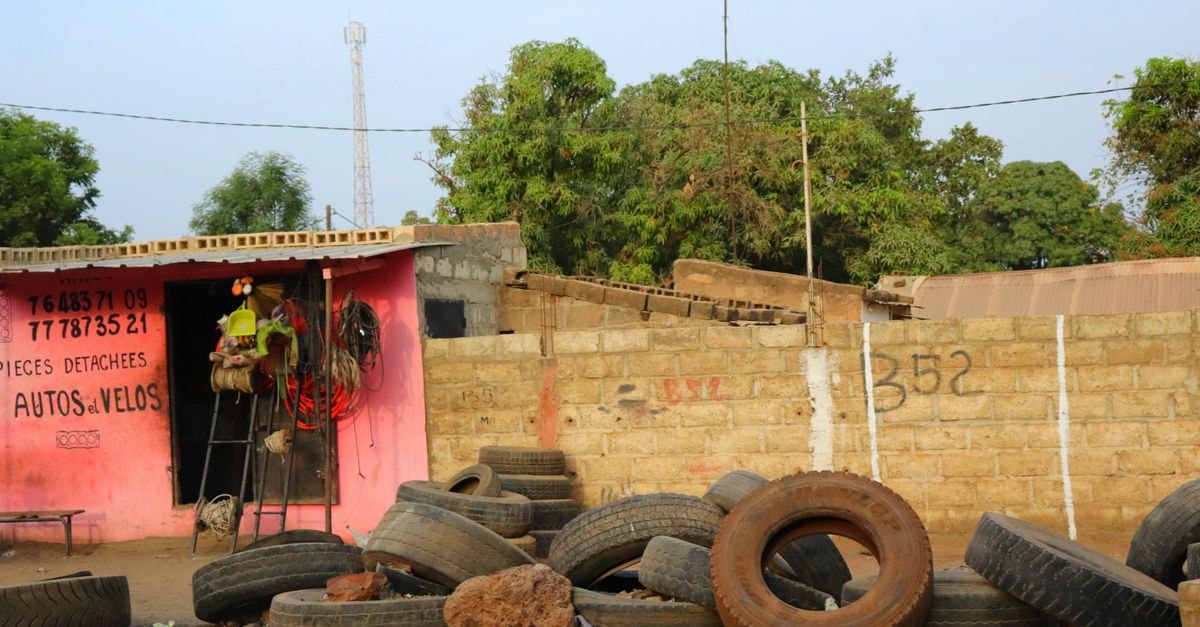
A first look at Sabha
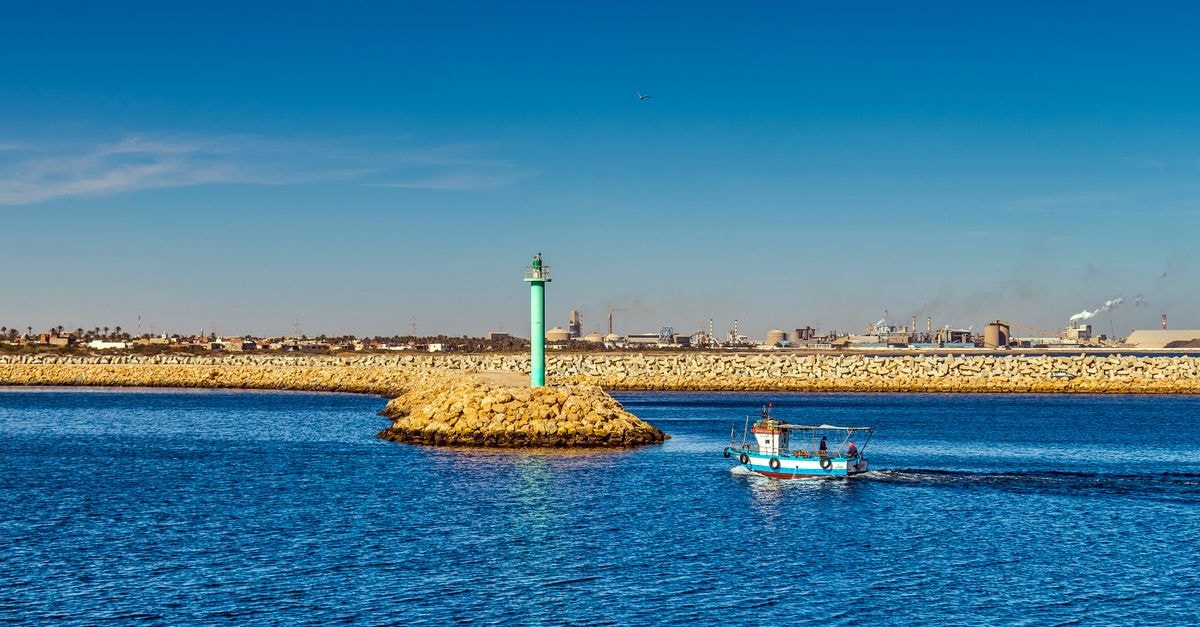
Sabha sits in the heart of Libya's Fezzan, a vast stretch of the country's south where the landscape softens into long horizons and traditional oases. Travelers who arrive here often come with curiosity rather than a packed checklist, drawn by the idea of visiting one of the regional capitals of the deep south. The city has grown as an important transport hub for the wider Fezzan area, which gives it a working, lived-in character rather than a polished tourist polish. If you are the kind of visitor who enjoys older townscapes, unhurried meals, and a sense of stepping into a different rhythm of Libya, Sabha rewards a slow approach.
A little context helps set expectations. Sabha is described as a historic town with growing importance, and it carries that dual identity today: somewhere with a visible past and a present-day role as a regional crossroads. That mix is part of what makes a visit here feel like a discovery rather than a routine stop.
Getting around
Sabha is served by Sabha Airport, which was expanded in the late 1970s and remains the main air link to and from the city. For travelers coming from elsewhere in Libya or from international connections routed through other Libyan cities, the airport is the most straightforward arrival point. From there, onward movement into the city typically happens by road.
The city's role as a transport hub for the Fezzan region is well established, and that shapes how people move. Public buses are not regular between Sabha and other Libyan cities, so visitors should plan on using cars or taxis for intercity travel. Within the city itself, taxis and private cars tend to be the practical way to get from one neighborhood to another. If you prefer door-to-door flexibility over waiting for a scheduled service, arranging a car or taxi for longer journeys is usually the more comfortable choice, and it lets you set your own pace.
For short distances, walking through the older central areas can be pleasant, especially when the streets open into the palm-lined corners of the historic town. Travelers who like exploring on foot may want to combine taxis for longer hops with unhurried strolls through the traditional core.
Attractions and planning
The most evocative part of Sabha for visitors is the Old Town, the historic center that anchors the city's sense of place. It is the kind of neighborhood where you slow down without deciding to: traditional Libyan architecture, low-rise buildings, and palm-lined streets give the area a quiet, rooted feel that contrasts with the busier modern sections of the city.
A practical approach is to give the Old Town more than a quick pass-through. Walking its lanes gives a feel for the texture of southern Libyan life, and the architecture offers an unhurried kind of sightseeing that does not require tickets or queues. If you enjoy photography, history, or simply watching everyday life in a place that feels distinct from coastal Libya, this is where Sabha's character is easiest to read.
Because the city is a regional transport hub, it is also a natural base for exploring the wider Fezzan area at your own pace. Within Sabha itself, planning is straightforward: the Old Town is the clear focal point, and the rest of the city fills in around it with daily life rather than a list of set sights.
Food and local context
Eating in Sabha is part of how you experience the city. One of the most popular dishes locally is couscous, which has a long history across North Africa and takes on its own local character in southern Libyan homes. It is the kind of dish that often anchors a meal, whether served simply or as part of a larger spread.
Another traditional dish you will encounter in Sabha is bazeen, a bread made from flour and water that is traditionally eaten alongside a lamb or chicken stew. The combination of dense, hearty bread and slow-cooked stew is a classic pairing in this part of Libya, and trying it gives you a direct sense of local food culture. Sharing a dish of bazeen with a stew is one of the more memorable ways to settle into the rhythm of a meal here.
Across Libya more broadly, meals tend to follow generous, social patterns, with shared plates and long conversations, and visitors to Sabha may find that same warmth at the table. Treat any specific restaurant, market stall, or menu as something to verify locally rather than assume in advance; the reliable starting point is to look for couscous and bazeen and let the rest of the meal unfold from there.
Choosing what fits your trip
A few supported tradeoffs can help shape your visit. Travelers who prefer door-to-door flexibility over fixed schedules may find that arranging a car or taxi for intercity travel suits them better than waiting for public transport, since buses between Sabha and other Libyan cities are not regular. Visitors who enjoy slower, walkable exploration rather than a packed itinerary may find the Old Town especially rewarding, since its palm-lined streets and traditional architecture invite unhurried wandering. And travelers who care about food as part of cultural discovery may want to plan at least one meal around couscous and a plate of bazeen with stew, since these are among the dishes most associated with eating in Sabha.
A quick verification note
Local conditions can change, and details such as airport services, taxi availability, and where to find specific dishes in the Old Town are worth confirming through a local contact or your accommodation before you arrive. Treat the outline above as a grounded starting point, and check current practical information closer to your trip so that your time in Sabha matches the city as it is when you get there.
Factual travel conditions can change without notice, and official channels should be checked before departure to confirm current arrangements.
Share this article
TOOLS FOR THIS PLAN
Make the Sabha plan measurable
Choose a tool only when it answers the next question in your trip. Your values stay in the browser, and each tool offers a route back to this planning context.