A practical first look at Duque de Caxias

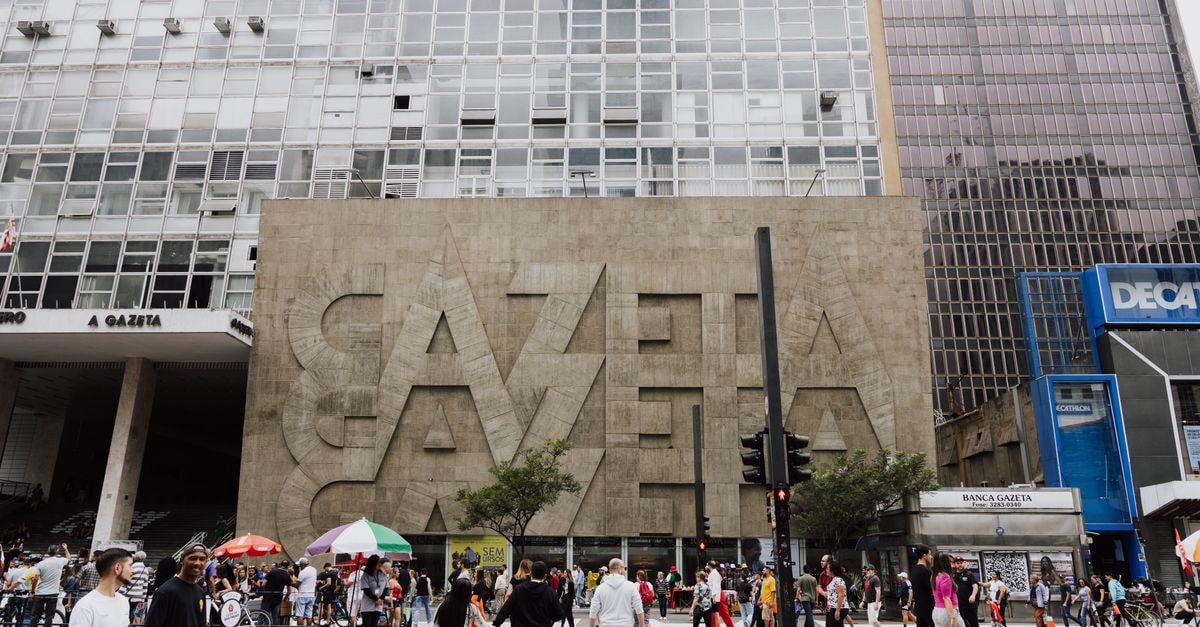
Duque de Caxias sits in the metropolitan ring around Rio de Janeiro, in a portion of the Baixada Fluminense that hums with commerce and trade. Along with Nova Iguaçu, the city is one of the two main poles of this slice of the greater Rio agglomeration, a status it holds because of the commercial and industrial activity that moves through its streets. For a traveler who already knows the beaches and landmarks of central Rio, that makes Duque de Caxias a different kind of stop: less postcard, more everyday Brazilian city life. The reward is a closer-to-the-ground feel of how the wider Rio metropolis actually breathes beyond the touristed waterfront.
This guide leans into that everyday texture. It is written for visitors who want a calm, thoughtful day or two in the municipality, with a few anchored stops and a sense of how to move around without overplanning.
Weather and seasonal context
There is no single tidy answer to the weather in Duque de Caxias, and that is worth saying out loud. Like the rest of the metropolitan Rio area, the city runs warm for most of the year, with rainy pulses that can turn a sidewalk into a shallow river and bright stretches where the sun feels heavier than expected. The honest way to plan around it is to treat your day as a soft rhythm rather than a checklist: heavier sightseeing and museum stops in the middle of the day, a slower café or shaded square in the worst of the afternoon heat, and any longer walks saved for the cooler edges of morning or late afternoon.
A safety note that locals tend to repeat: stick to the busy commercial areas, like the Calçadão, during daylight hours. That single piece of advice quietly doubles as a weather strategy, because the busiest stretches are usually the most shaded by awnings, the most populated, and the easiest to navigate when a shower rolls through. It also shapes the natural pace of a visit, since the daytime commercial strip is where the city feels most itself.
For a short cultural break in the center, the Museu Ciência e Vida is the kind of stop that pairs well with this rhythm. A science and life museum in the city center gives you an air-conditioned pause from the streets, something to slow the day down without leaving the urban core. From there, it is easy to step back out into the commercial rhythm of the Calçadão once you have had your fill of exhibits.
One more thing worth keeping in mind: even when a wider travel source promises up-to-date info on must-see scenic spots and local hangouts, treat that as a starting point rather than a final word. Conditions, openings and street patterns in the Baixada change often, and a guide is only ever a snapshot. Pair any glossy overview with a more recent local check before you set out.
Getting around
Duque de Caxias is not really a city you wander into by accident. It functions as a working municipality, and the way visitors experience it tends to be shaped by where the commercial and civic energy is concentrated. Because it sits within the metropolitan agglomeration of Rio de Janeiro, the city shares in the wider transport fabric of the region, from arterial roads connecting it to neighboring municipalities to the bus and rail lines that knit the Baixada together.
Practically speaking, that means a few useful habits are worth building into your day. Plan to move between anchored points rather than trying to cover the whole municipality on foot. Treat the Calçadão and the central commercial strip as your base, since that is where daylight activity concentrates and where you are most likely to find taxis, ride options and local buses that connect out to other neighborhoods. If you are coming in from elsewhere in the metropolitan area, expect a journey that uses main avenues rather than back streets; that is the road system the municipality is built around.
The city's identity as a commercial and industrial pole also affects how it feels to move through it. Weekday working hours can make the center busier and more functional, while weekends tend to soften into a calmer pace, especially along stretches that depend on weekday commerce. Either rhythm has its charms, and neither is better, but they do call for slightly different plans.
Food and local context
Duque de Caxias does not have a neatly packaged signature cuisine, and that is part of the honest picture. The city sits inside the wider Brazilian food world, and what you eat here will almost always be a reflection of that broader national table rather than a single, hyper-local specialty. Thinking about food in terms of national context is more useful than hunting for a dish that the city alone claims.
Across Brazil, the everyday table leans on rice and beans, often served with a protein and a simple salad or cooked greens, and that pattern shows up all over the Baixada. Street food is a real part of daily life, from savory pastries baked in small neighborhood bakeries to grilled cheese sandwiches pressed hot on the griddle, to sweet treats sold from carts and counters that appear in the early evening. Fresh tropical fruit, especially the ones that arrive in season from nearby growing regions, is one of the simplest ways to eat well without overthinking it.
It helps to understand a few wider Brazilian etiquette habits when you sit down to eat or order. Meals are social events, and rushing through one is not really the done thing. In homes and in more traditional restaurants, waiting for everyone to be seated before starting is common, and a simple 'bom apetite' at the right moment goes a long way. Tipping practices vary: many sit-down restaurants include a service charge, and a small additional gesture is appreciated but not obligatory. When in doubt, a quick glance at the bill or a polite question to staff tends to clear things up.
In a city like Duque de Caxias, the food experience is shaped less by a must-try dish and more by the rhythm of eating. A late-morning snack at a bakery counter, a proper lunch once the midday heat has peaked, an afternoon coffee, and a lighter evening meal is a very common shape for the day. Following that shape, rather than fighting it, is one of the easiest ways to feel at home in the city.
Because detailed, verified information on specific restaurants, opening hours, prices or payment habits in Duque de Caxias is limited, the most useful move is to treat the immediate streets as your menu board. Step into a place that is busy with locals, ask what is fresh, and let the day unfold from there.
A few final notes for the road
Duque de Caxias rewards the kind of traveler who is curious about how a real Brazilian working city ticks, not just the postcard version of Rio. Keep your plans centered on the Calçadão and the central museums during daylight, give yourself permission to slow down when the weather turns heavy, and let the broader Brazilian food culture frame what you eat rather than chasing a single signature dish.
Treat this guide as a starting framework rather than a final word. Factual travel conditions can change, and official local channels should always be checked before departure, especially for transport updates, museum hours and safety guidance. A little flexibility on the day will get you further than any rigid plan.
Prices, opening hours, schedules, reservation rules, and local conditions can change; verify them through official channels before departure.
Share this article
TOOLS FOR THIS PLAN
Make the Duque de Caxias plan measurable
Choose a tool only when it answers the next question in your trip. Your values stay in the browser, and each tool offers a route back to this planning context.