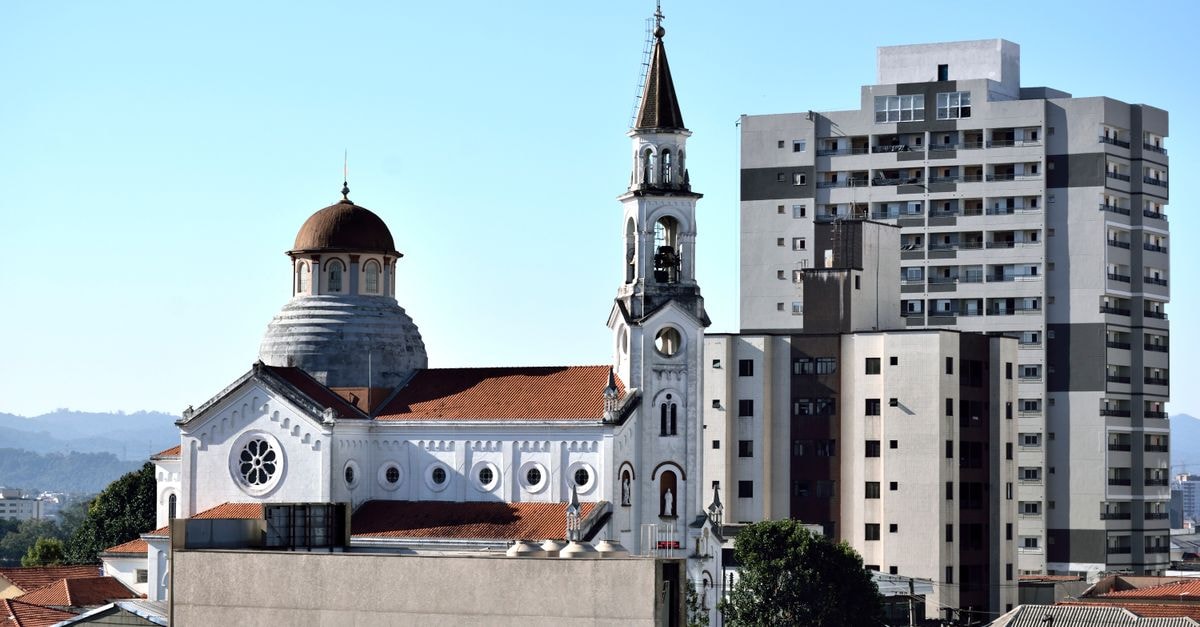
A first look at São João de Meriti

Tucked into the heart of the Baixada Fluminense, São João de Meriti often slips beneath the radar of travelers who arrive in Rio de Janeiro with their sights set on Copacabana, Sugarloaf, or the cobbled lanes of Santa Teresa. That quietness, though, is part of the appeal. The municipality is a working, lived-in city with a strong sense of its own identity, and it rewards visitors who approach it without a checklist of marquee landmarks. A thoughtful São João de Meriti travel guide, in other words, looks less like a sprint between monuments and more like a slow walk through a place that is still very much its own.
What makes the city feel distinct is its relatively recent founding. São João de Meriti was created in 1947, when it separated from Duque de Caxias during a period of rapid urban expansion across greater Rio. That mid-twentieth-century birth, the kind shared by many of Rio's satellite municipalities, gives the city a young, energetic rhythm rather than the weight of centuries-old colonial streets. Visitors tend to feel that pace immediately: it is a city shaped by commuters, markets, and family life rather than by postcard tourism.
What to expect from the city itself
Because São João de Meriti is not a traditional sightseeing destination, the most rewarding way to engage with it is through everyday texture. The city's streets, squares, and commercial corridors reveal what residents value: places to sit, eat, meet, and talk. Walking through the center at a relaxed pace, with time to stop, is often the most satisfying "attraction" here, and it is the right way to anchor any São João de Meriti travel guide.
A few honest framing notes are useful before you go. There are no major museums, historic churches, or signature viewpoints that define the city in the way that other Brazilian destinations are defined. Instead, the value of visiting is cultural and culinary. Travelers who enjoy observing how a community lives, eats, and gathers tend to take the most from a stop here. If you are the kind of visitor who prefers a dense cluster of formal attractions within a short radius, you may find the city underwhelming; if you are open to a slower exploration, it lands well.
It also helps to set expectations around scale. São João de Meriti is a sizable municipality within the metropolitan region, and moving between its commercial centers can take time. A short stay of a day or two is usually enough to get a feel for the place, and longer visits work best when you have a specific interest, such as food, to draw you into different neighborhoods over multiple meals.
Food and local context
If there is a single reason to make São João de Meriti part of a Rio de Janeiro itinerary, it is food. The city sits at the center of the Baixada Fluminense and is described locally as a melting pot of flavors that reflects the broader cultural richness of Rio de Janeiro state. The phrase that comes up again and again in local writing is "caldeirão de sabores," a cauldron of flavors, and it is a fair description. Long-established residents from across Brazil, and especially from other parts of Rio state, have layered their cooking into the everyday cuisine of the city.
A practical São João de Meriti travel guide to food should start with the street-level scene. The streets are lined with small vendors and casual spots serving the everyday dishes that Brazilians actually eat at lunchtime and on a quick evening stop. This is the fastest, most affordable, and most atmospheric way to understand the city, and it pairs naturally with walking through the commercial areas where locals do their shopping and socializing.
A step up from the street are the botecos, the relaxed corner bars and small eateries that anchor social life across Rio state. They are informal, conversation-driven spaces where the food is often simple and the company is the point. For travelers who want a slightly more polished setting, the city also has restaurants that offer more refined experiences, the kind of places suited to a sit-down meal with a longer conversation. Together, street food, botecos, and sit-down restaurants form the three tiers of dining that any visitor should expect to find here.
In terms of specific dishes to look for, two are mentioned often enough in local guides to feel like fair starting points rather than guesses. Feijoada, the slow-cooked black bean and meat stew that is a signature dish of wider Brazilian cuisine, is popular here, and it tends to appear in traditional restaurants and at weekend gatherings. Coxinha, the shredded-chicken-filled dough croquette that is a staple of Brazilian snack culture, is similarly widespread and is an easy, low-commitment way to begin exploring the local food scene. Both are useful reference points when deciding what to order at an unfamiliar counter or menu.
It is worth being transparent about a few limits in the available information. Reliable, English-language coverage of specific São João de Meriti restaurants, named botecos, or signature street-food stalls is thin, and any guide that lists them with confidence is probably reaching beyond its evidence. The safer and more enjoyable approach is to treat the food scene as a category rather than a checklist: aim to try street food, aim to try a boteco, and aim to try a sit-down meal, then judge each one on its own terms.
A note on wider Brazilian context
Because São João de Meriti sits within Rio state and is shaped by migration from across Brazil, the food visitors encounter here reflects broader Brazilian eating habits rather than a sealed-off local cuisine. Dishes that are popular nationwide are popular here too, and that is part of the city's character. A visitor who already knows how to navigate a Brazilian counter, ordering by pointing, paying in cash, and eating standing up or at a high table, will feel at home quickly.
This wider context is also a reminder of why guides to the city lean so heavily on food. Brazilian culture generally treats meals as social occasions, and that habit is amplified in a municipality where tourism is not the primary industry. Visitors who lean into that social rhythm, eating where locals eat, lingering over a coffee, accepting a second helping when it is offered, tend to get a warmer reception than those who treat the city as a quick photo stop.
Practical framing for a visit
A few evergreen pointers help round out a São João de Meriti travel guide without overreaching the available evidence. Treat the city as a day visit or a short stay rather than a week-long base, since the wider Rio metropolitan area offers the bulk of headline attractions and is easily reached. Plan around meals rather than monuments, and build your day around a market or street-food stop in the late morning, a sit-down lunch, and a boteco visit in the early evening. That shape works well across seasons and is the rhythm most visitors settle into once they arrive.
A final verification note
Travel conditions change, and information about opening hours, transport options, and local services should always be confirmed through official channels before departure. Treat this guide as a starting point for your own planning rather than a definitive reference, and check current details with local authorities, transport operators, or your accommodation before relying on them on the ground.
Share this article
TOOLS FOR THIS PLAN
Make the Sao Joao de Meriti plan measurable
Choose a tool only when it answers the next question in your trip. Your values stay in the browser, and each tool offers a route back to this planning context.