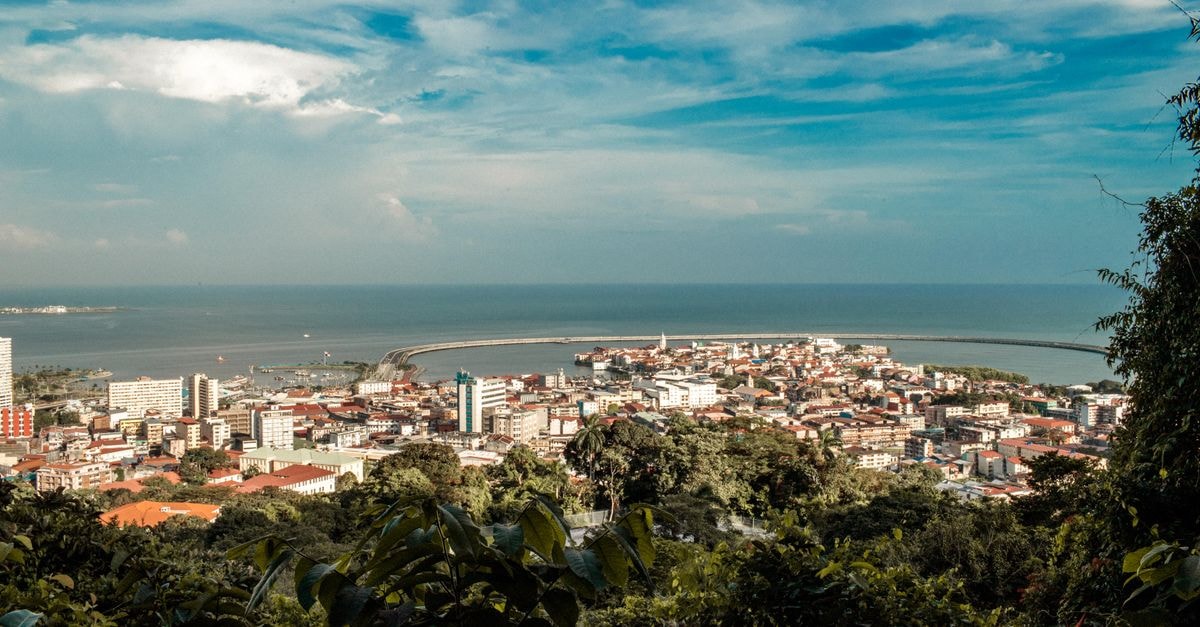
A modern beachside base on Rio's western edge

Barra da Tijuca has the feel of a neighborhood that grew up with the car, not the cobblestone. Wide avenues, long sandy shoreline and a string of condominium towers give it a calmer, more residential rhythm than the older tourist cores of Rio de Janeiro. For travelers who like space, contemporary hotels and easy self-catering, it works as a practical base from which to dip in and out of the wider city. The practical mindset here is less about rushing through landmarks and more about settling into a rhythm that suits the coast.
What follows is a compact, evergreen orientation. It draws only on the verified facts available for this guide, so it leans toward honest framing rather than detailed sight lists. Where specifics are not in the evidence, the guide simply does not invent them, and readers are pointed toward official channels for confirmation before booking.
Attractions and planning
The most useful way to think about Barra da Tijuca is as a place to stay and a place to begin from, rather than a checklist of fixed attractions. Visitors often arrive with questions about how to approach the area, what kind of accommodation is available, and how flexible the booking options feel.
The accommodation picture in Barra da Tijuca is broad. One approved source describes the area as offering self-catering stays with free WiFi, which suits independent travelers who like a kitchen, laundry access and a bit more room than a standard hotel room. Another source lists a very large inventory of places to stay, suggesting that options range from short-stay rentals to more traditional hotel formats, and notes a flexible date search interface that lets travelers choose when they want to go. A third source ranks local hotels on a traveler-review basis, calling out romantic hotels for couples as one filter among several.
Taken together, these signals point to a few practical habits worth adopting:
- Compare formats, not just brands. Because the area is known for self-catering accommodation alongside standard hotels, it pays to look at both serviced apartments and hotel rooms before deciding. A short walk to the beach can matter more than a swimming pool on the roof. - Keep dates flexible where possible. The booking platforms that cover Barra da Tijuca are designed around date searches. Holding a flexible window often surfaces better availability than locking in fixed nights too early. - Read recent reviews rather than relying on a single ranking. A traveler-ranked list is only a starting point; reviews usually carry the texture of the stay, from noise levels to nearby construction.
The neighborhood itself is large, and a rental car or ride-hailing tends to shape the experience more than walking tours do. Visitors who prefer a slower, more local pace often anchor themselves near a single beachfront stretch and explore outward in short trips rather than trying to cross the district in one day.
What the approved facts do not cover is just as important to note. There is no verified data in this guide's evidence base for specific beaches, viewpoints, malls, lagoons, bike paths, opening hours, ticket prices or transit schedules inside Barra da Tijuca. For any of those details, the right move is to consult the official Rio de Janeiro tourism channels and current hotel concierge advice before committing to a plan.
Food and local context
Food in Barra da Tijuca sits inside a much wider Brazilian food culture, and that wider culture is what visitors will most reliably encounter during their stay. Two country-scoped references describe Brazil as a federation with a deep, regional relationship to food and dining, and frame that relationship as a useful entry point for visitors who want to eat well without chasing trends.
Brazilian dining culture is often social and unhurried. Lunch tends to be the larger meal of the day in many regions, and dinner runs later than travelers from earlier-eating cultures might expect. Portions are often generous, and sharing plates is common. Travelers used to quick service counters may need to slow down and accept that a two-course lunch with conversation is closer to the local norm than a fifteen-minute turnaround.
A few nationwide patterns are worth knowing:
- Regional variety is real. Brazilian cuisine shifts noticeably from north to south, so what a visitor tastes in a coastal neighborhood like Barra da Tijuca may not match what they would find inland. Treating each meal as a small introduction to wherever the kitchen draws from tends to lead to better choices. - Casual dining dominates. From lanchonetes to beachside kiosks, much of daily eating in Brazil is informal. Fine dining exists, especially in larger cities, but it is not the only sign of a good meal. - Etiquette is relaxed but warm. Greetings often include a light touch on the arm or both cheeks, depending on the region and the familiarity of the group. Tipping practices exist but vary; asking locally is a fair approach rather than assuming a fixed percentage. - Coffee and snack culture is strong. Cafés serve more than coffee, and small savory or sweet snacks tend to accompany a break at almost any time of day.
Because these notes come from country-level context rather than city-specific evidence, none of them should be read as a Barra da Tijuca specialty, a guarantee of any particular menu, or a recommendation for a specific venue. They are simply the wider Brazilian backdrop that visitors are likely to notice while eating in the neighborhood. For concrete recommendations inside Barra da Tijuca, current restaurant listings, recent reviews and official tourism materials are the safer sources.
How to use this guide in practice
The honest shape of an evergreen guide with limited verified facts is to set expectations clearly and to point travelers toward the right next step.
Treat this guide as a starting frame, not a final itinerary. The approved evidence supports two things well: the character of Barra da Tijuca as an accommodation-led, self-catering friendly base, and the wider Brazilian food culture that frames everyday eating in the country. Anything more specific than that should be confirmed through the platforms, hotel desks and official channels that update in real time.
If you are choosing between neighborhoods in Rio de Janeiro, Barra da Tijuca tends to suit travelers who value modern hotels, flexible rental formats and a quieter residential feel over walking-distance historic sightseeing. If your priority is a dense cluster of postcard landmarks within a short walk, a more central area may serve you better, and the same booking platforms used here will surface those alternatives.
If you are already booked into Barra da Tijuca and just want to feel oriented, the practical message is simple: settle into the rhythm of a modern beach district, use the area's flexible accommodation market to your advantage, and approach Brazilian dining as a cultural layer rather than a checklist of dishes. Verify specific hours, prices and reservations through official sources before you act on them.
A note on verification
Travel conditions, business hours, prices and reservation requirements change often, and the verified evidence available for this guide covers only a narrow layer of those details. Before confirming a hotel, a restaurant, a route or any ticketed experience in Barra da Tijuca, cross-check the current information with the relevant booking platform, the property itself, and the official Rio de Janeiro tourism and government channels. Factual conditions on the ground can change quickly, and this guide deliberately stays within the boundaries of what its sources actually say.
Share this article
TOOLS FOR THIS PLAN
Make the Barra da Tijuca plan measurable
Choose a tool only when it answers the next question in your trip. Your values stay in the browser, and each tool offers a route back to this planning context.