A first look at Durango

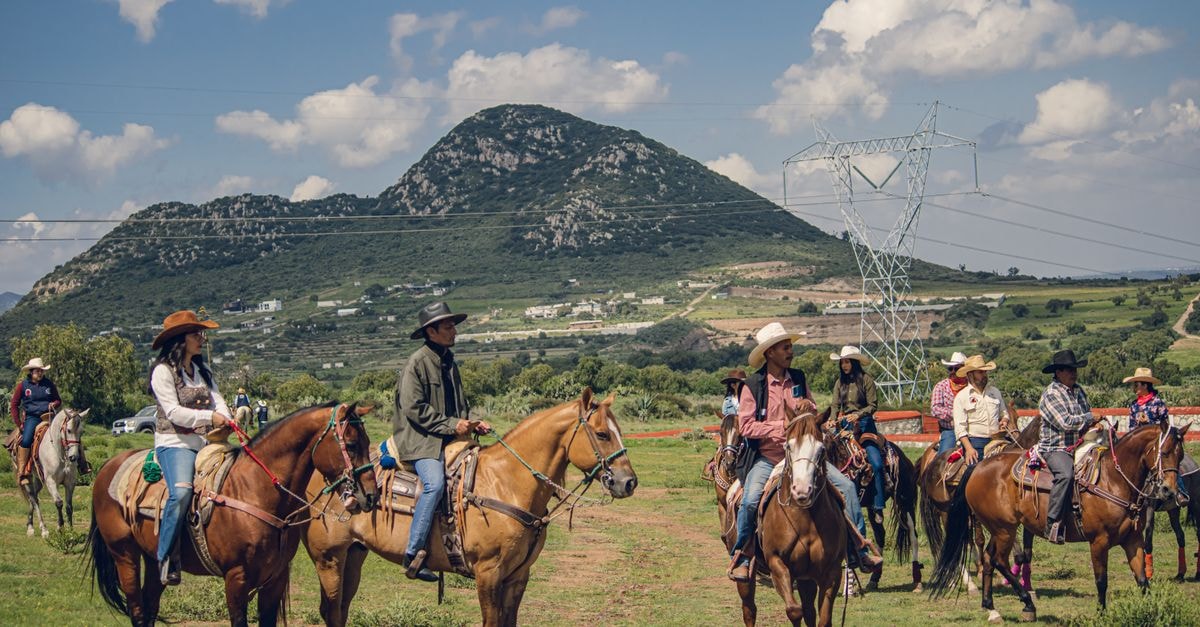
There is something quietly cinematic about arriving in a city that sits inside a wide valley and carries the weight of a long colonial history. Durango rests in northeast Mexico, framed by the Guardiana Valley, and visitors often sense the openness of the landscape as soon as they leave the airport or bus station. The city is also recognized because its main colonial route was designated as a Cultural Heritage of Humanity, which gives the historic core a particular gravity and makes wandering its streets feel like reading a layered story rather than ticking off a checklist.
This guide is written for travellers who prefer to settle into a place, observe the rhythm of daily life, and let the architecture and plazas do some of the storytelling. It is intentionally evergreen: rather than chasing a particular calendar window, it focuses on the kinds of choices that hold up no matter when you arrive, from how you move around the city to how you read the room when you sit down to eat.
Weather and seasonal context
Weather is one of those subjects where it helps to stay humble in your planning. The factual record available for this guide is thin, and Durango's climate can shift meaningfully between its drier and wetter stretches, with cooler nights a real possibility at elevation. Rather than prescribe a single outfit or assume a fixed forecast, the honest move is to expect variation: warm afternoons and cooler mornings are a reasonable baseline, and layering is the friend of any traveller who wants to walk the colonial route without being caught off guard by a sudden change in temperature.
The practical habit that follows from that uncertainty is simple. Check the day-by-day forecast closer to departure, pack a light layer even when the day looks mild, and treat outdoor walking as something to pace rather than sprint through. Personal awareness and defensive travel choices are always recommended, which is a useful frame for the weather as well: the climate is something to read in the moment rather than predict from a guide.
A short word on booking and pricing logic: when you are comparing tours, transfers, or experiences, platforms that surface a "best price" comparison are worth a look, because they encourage you to notice the spread before committing. That habit does not replace due diligence on the operator, but it does keep your budget honest.
Getting around
Durango rewards travellers who think about movement before they arrive. The city covers more ground than a casual map suggests, and the colonial core sits alongside neighbourhoods, parks, and viewpoints that pull you outward. A car offers convenience for exploring both urban and nearby rural areas, which matters if your itinerary mixes the historic centre with anything that takes you beyond walking distance of the plaza. If you do drive, give yourself a little extra time on the first day; colonial streets can be narrower and more atmospheric than a satellite view implies, and one-way patterns sometimes only reveal themselves the slow way.
For those who would rather not drive, ride-hailing is part of the urban toolkit. Uber operates in Durango, and that alone changes the texture of a visit: you can step out of a museum, decide to pivot to a different neighbourhood, and move without the small friction of negotiating a street taxi. The combination that tends to work best is walking for the historic centre, where the colonial route invites slow observation, and a car or ride for the longer hops between districts or for any plan that takes you out of the city proper.
Accommodation choice quietly shapes how you move. A hotel that frames itself around culture, cuisine, and outdoor activity tends to sit within reach of the parts of Durango visitors come for, and that proximity saves both time and energy. When you are comparing places to stay, think less about the room and more about how easily you can step out into the street and start your day on foot, which is often the most rewarding way to meet a city.
Food and local context
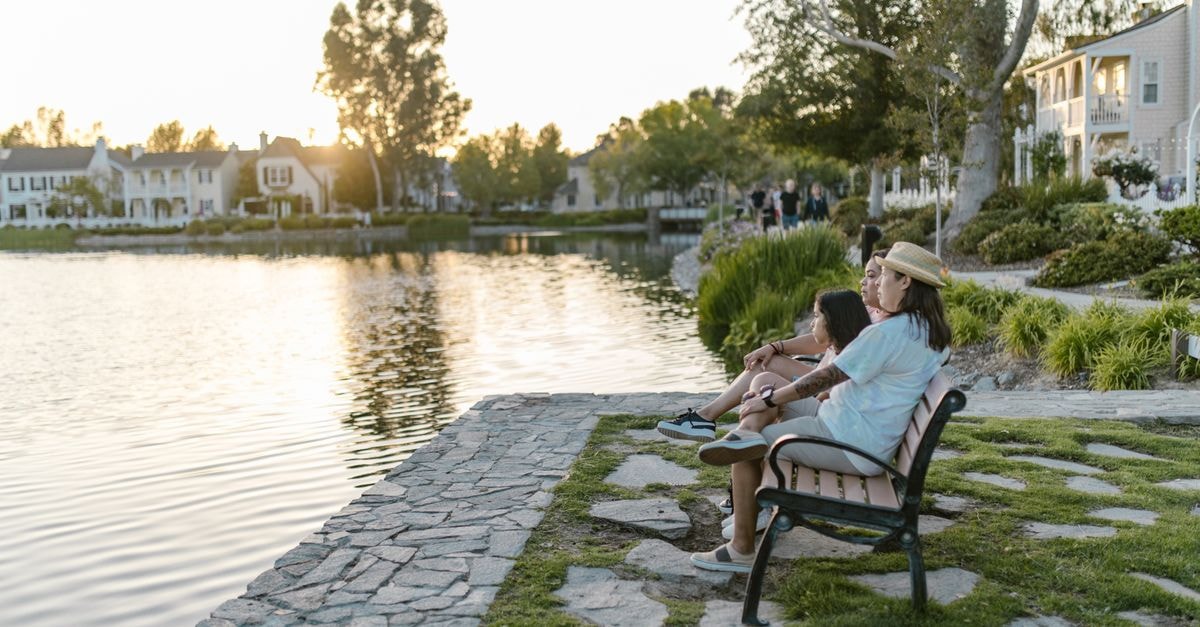
Eating in Durango is less about a single famous dish and more about the texture of Mexican dining culture as you encounter it across ordinary meals. The wider Mexican context visitors are likely to notice is that the culture is notably child-friendly: children go to adult restaurants, stay up late at family events, and are included rather than sidelined. For a traveller, that translates into a relaxed atmosphere in many dining rooms. You are unlikely to feel out of place arriving as a couple, a solo visitor, or a multigenerational family, and the social volume of a room on a busy evening is part of the experience rather than something to apologise for.
That openness shapes a few small habits worth keeping in mind. Meals tend to stretch, conversation is encouraged, and the pacing of a long lunch or a late dinner is closer to the norm than the exception. If you are used to eating quickly and moving on, give yourself permission to slow down; the room will reward you for it. Equally, if you are travelling with children, the usual anxiety about whether a restaurant will welcome them tends to dissolve here.
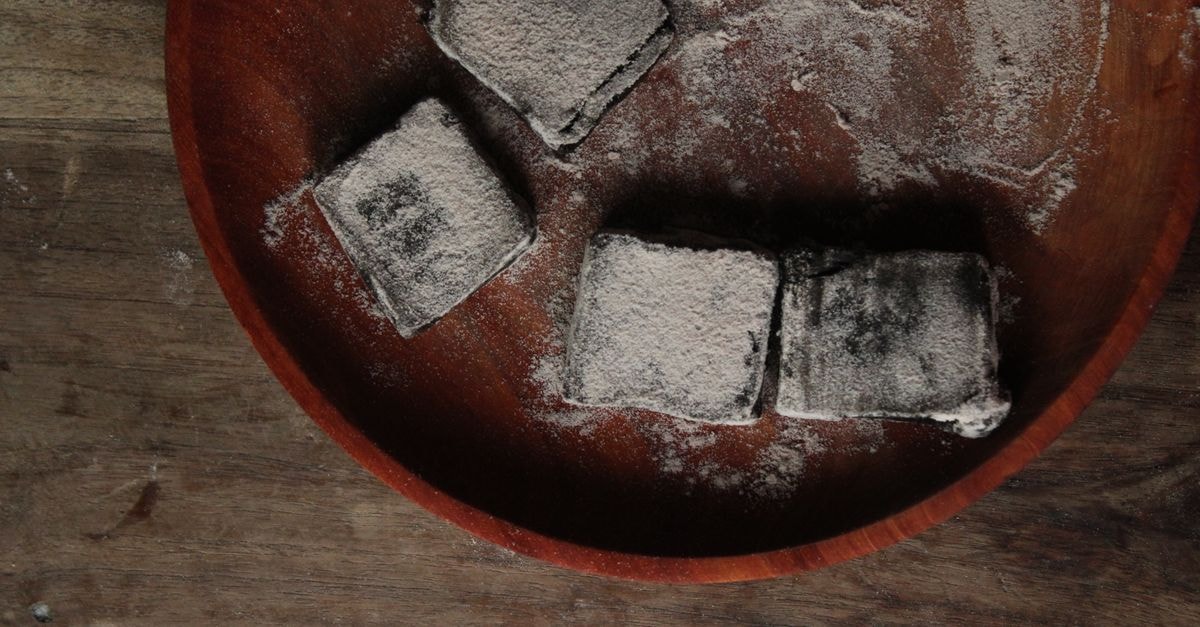
Because the food evidence for this guide is intentionally limited to that wider cultural frame rather than to specific venues, markets, or menus, the most useful thing a visitor can do is treat eating as exploration rather than research. Ask locals what they cook at home, notice which taquerías have lines at the hours when office workers appear, and be ready to step into a place that does not look polished from the outside. The everyday kitchens often tell you more about a city than the photographed ones, and Durango is the kind of place where that instinct pays off.
A practical note before you go
A handful of habits will make your days in Durango feel smoother regardless of how long you stay. Keep a light layer within reach for cooler evenings. Plan the colonial core on foot and save ride-hailing or a rental car for the longer moves between districts. Treat Mexican dining rooms as social spaces that welcome a wide range of guests, including children and late diners, and let your evenings breathe a little. Most importantly, remember that factual travel conditions can change and official channels should be checked before departure: routes, hours, and local guidance evolve, and a short verification step before each outing is the simplest way to keep a thoughtful trip on track.
Share this article
TOOLS FOR THIS PLAN
Make the Durango plan measurable
Choose a tool only when it answers the next question in your trip. Your values stay in the browser, and each tool offers a route back to this planning context.