A capital shaped by stone

Dutse is the capital of Jigawa State in northern Nigeria, and its name carries the landscape with it. The word "Dutse" itself reflects the granite outcrops that rise above the surrounding plains, giving the city a silhouette quite unlike the sprawling capitals to the south. For travelers used to dense urban centers, arriving in Dutse can feel like a gentle exhale: a smaller, slower administrative city framed by rock, sky, and the wide horizon of the Sahel.
This is not a city of big museum queues or polished tourist corridors. Instead, Dutse rewards visitors who like their travel slightly off the conventional path — people drawn to quiet state capitals, geological scenery, and a sense of place that hasn't been softened by mass tourism. The draw here is simple: a young university town set against some of Nigeria's most distinctive rock formations, with a handful of landmarks that local travelers already cherish.
A short note before you read further: practical travel conditions shift over time, so it is always wise to confirm transport, access, and any entry details through official channels before you travel.
Getting around
Dutse is served by Dutse International Airport, which gives the city an air link to the rest of Nigeria. The airport's IATA code is referenced in travel documentation as LOS, though visitors should verify the operating carriers and route availability directly with airlines or the airport authority when planning a trip. For travelers coming from Abuja or Kano, an internal flight into Dutse is often the most direct option, particularly given the city's position in the north of the country.
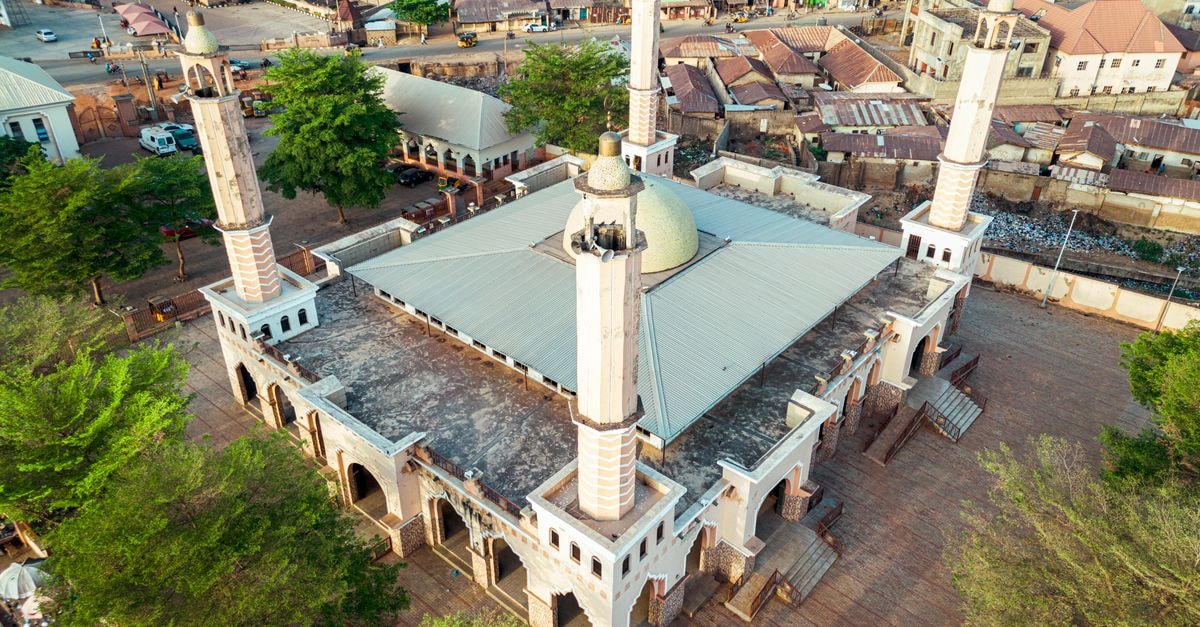
Once on the ground, the city is built around its role as a state capital and a university town. Federal University, Dutse was established in November 2011, and the presence of a young academic community shapes much of the everyday rhythm — quieter at weekends, livelier during term time around the campus edges. Getting around within the city typically relies on local taxis and motorcycle transport, which are the usual ways residents move between the administrative quarter, the university area, and the surrounding neighborhoods. As with many Nigerian cities, travelers should plan ground transport in advance through their hotel or a trusted local contact rather than relying on arriving without a plan.
A practical tip for travelers who prefer not to rush: because Dutse is a capital city but a compact one, much of the central sightseeing can be approached at an unhurried pace. You won't need to navigate a sprawling metropolis to reach the key landmarks, and that is part of its appeal for visitors who enjoy a calmer base.
Attractions and planning
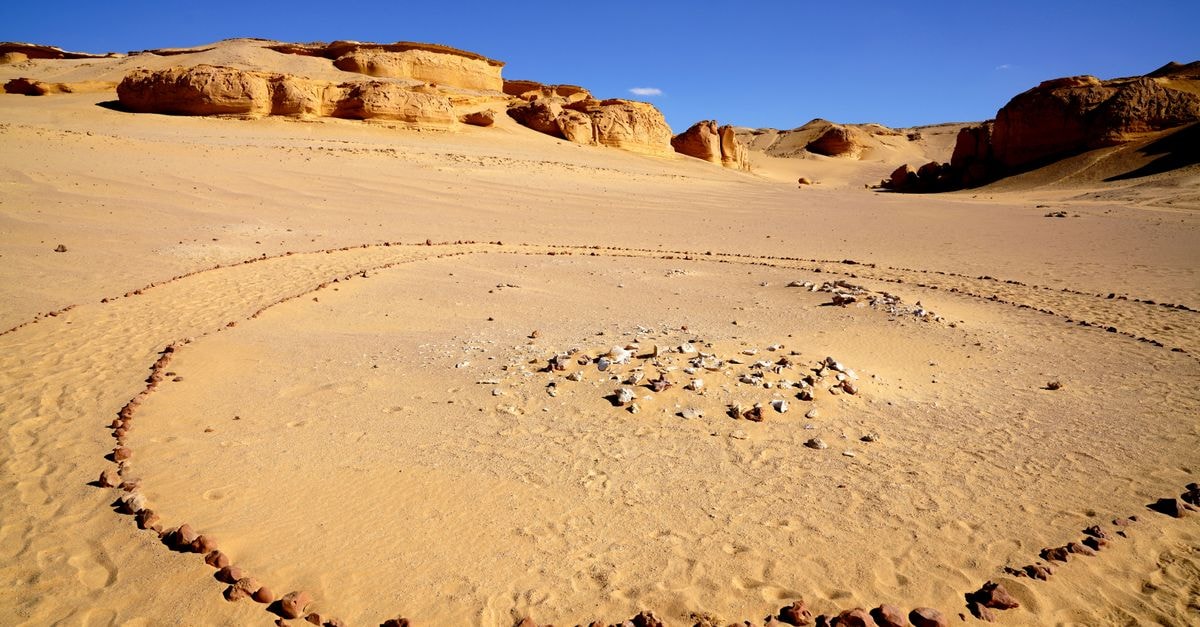
Dutse's attractions lean toward landscape and heritage rather than the dense checklist of urban sights found in Nigeria's largest cities. The defining feature is the Dutse rock formations themselves — granite outcrops that give the capital its name and form a striking backdrop across the skyline. Travelers who enjoy climbing, viewpoints, and unusual geological scenery may want to budget time for exploring the rocks. The outcrops rise above the city, and visitors who appreciate a climb with a view will likely find the effort rewarding. For those who prefer flatter terrain, the rocks are just as compelling as a sight to admire from below, photographed against the open sky of the surrounding plains.
The most iconic single landmark in the city is the Ibrahim Saminu Turaki's Tower, which is widely regarded as one of Jigawa's most popular and recognizable tourist attractions. For travelers building a short Dutse itinerary, this tower is the kind of centerpiece that anchors a visit — easy to recognize, tied to local heritage, and the photo stop that tends to appear in any introduction to the city. Pairing it with a slow look at the rock formations gives visitors a balanced sense of both built heritage and natural scenery in a single day.
Beyond the city itself, the wider state holds a significant ecological asset in the Hadejia-Nguru wetlands, an internationally important wetland system in Jigawa's north-east. The wetlands are recognized for their role in supporting migratory birds, and travelers interested in birdwatching and broader Nigerian ecology may find them a meaningful addition to a longer Jigawa itinerary. That said, this guide focuses on Dutse itself; visiting the wetlands would be a separate undertaking with its own travel logistics, and visitors should research access and travel times independently before planning such a trip.
For visitors who prefer to slow down rather than chase a packed schedule, Dutse can comfortably fill a couple of days focused on the rocks, the tower, and a wander through the city's administrative and university neighborhoods. Travelers who enjoy a more energetic pace can pair the central sights with broader state exploration, keeping in mind that distances across Jigawa require planning.
What to know before you go
Because Dutse is a state capital with a young university, the city's daily feel is shaped by government business and student life rather than by tourism infrastructure. Visitors used to heavily touristed Nigerian cities like Lagos or Abuja will find fewer dedicated tourist services, and that is part of the experience — but it also means that a bit of advance planning goes a long way. Booking accommodation, confirming transport from the airport, and arranging local guides ahead of arrival will smooth the trip considerably.
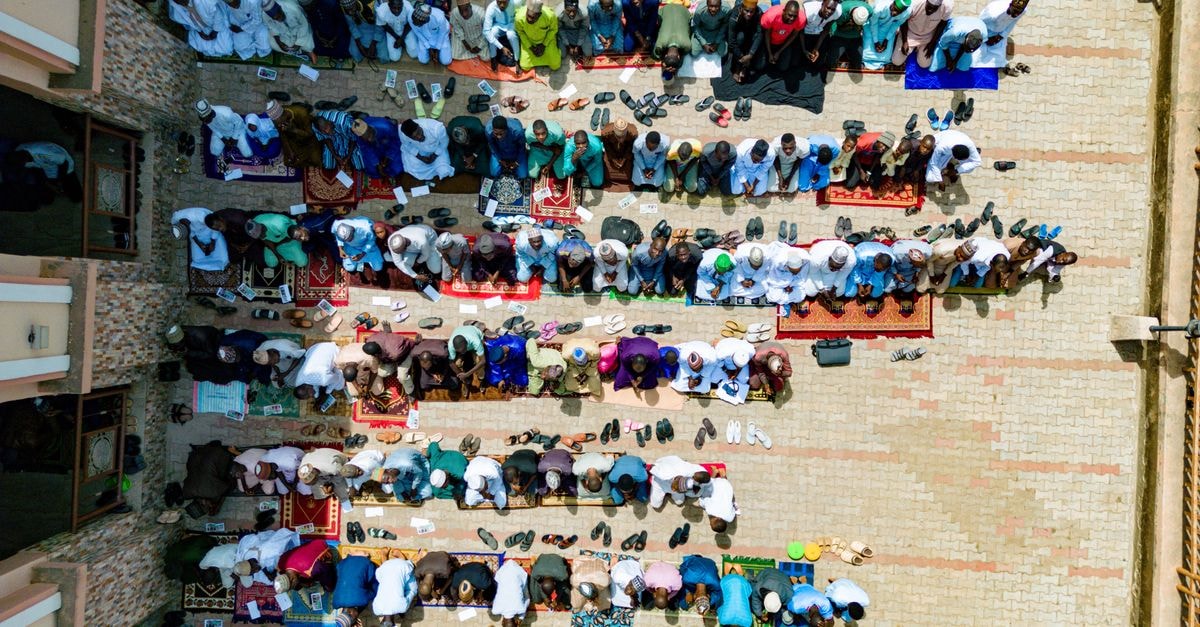
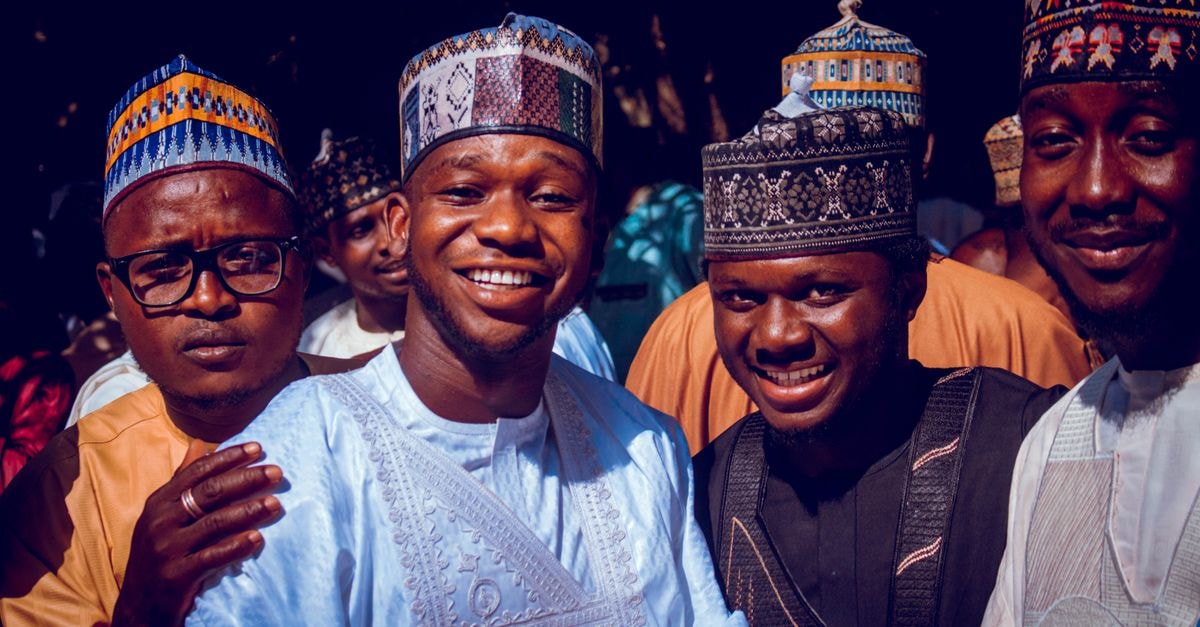
Culturally, Dutse sits within the wider northern Nigerian context that visitors may encounter throughout the region. Travelers coming from elsewhere in Nigeria or from abroad will likely notice the influence of broader Hausa and northern Nigerian cultural norms in dress, language, and daily interaction. Respectful dress, a polite and patient approach in markets and public spaces, and a readiness to ask before photographing people are habits that tend to serve visitors well across northern Nigeria, including in Dutse.
On the practical side, cash is generally the most reliable way to pay for everyday purchases in a city of Dutse's size, and travelers should plan accordingly. Mobile network coverage is generally available in state capitals, which helps with maps, ride arrangements, and staying in touch.
Choosing what fits your trip
Dutse suits travelers who enjoy destinations defined more by landscape and local character than by a long list of ticketed attractions. If your travel style leans toward quiet capitals, geological scenery, and a few iconic landmarks rather than urban density, the city's granite skyline and the Turaki tower tend to deliver a memorable sense of place. Visitors who prefer busier cities with extensive nightlife, large museums, or a deep bench of organized daily tours may find Dutse calmer than expected and may want to pair it with time elsewhere, such as a larger hub. If birdwatching and wetlands matter to you, the state's Hadejia-Nguru wetlands may shape your broader Jigawa plans, even though they sit outside the capital itself. Travelers who enjoy a slower pace, university-town atmosphere, and the feel of a working regional capital will likely feel right at home here.
A short verification question worth asking before you go: confirm the current operating status of Dutse International Airport flights and any access details for the rock formations and the Turaki tower through official channels, so your itinerary matches the conditions on the ground when you arrive.
Travel conditions change, and this guide reflects durable information about Dutse as a destination. Confirm transport schedules, accommodation availability, and any site-specific access details through official sources before departure.
Share this article
TOOLS FOR THIS PLAN
Make the Dutse plan measurable
Choose a tool only when it answers the next question in your trip. Your values stay in the browser, and each tool offers a route back to this planning context.