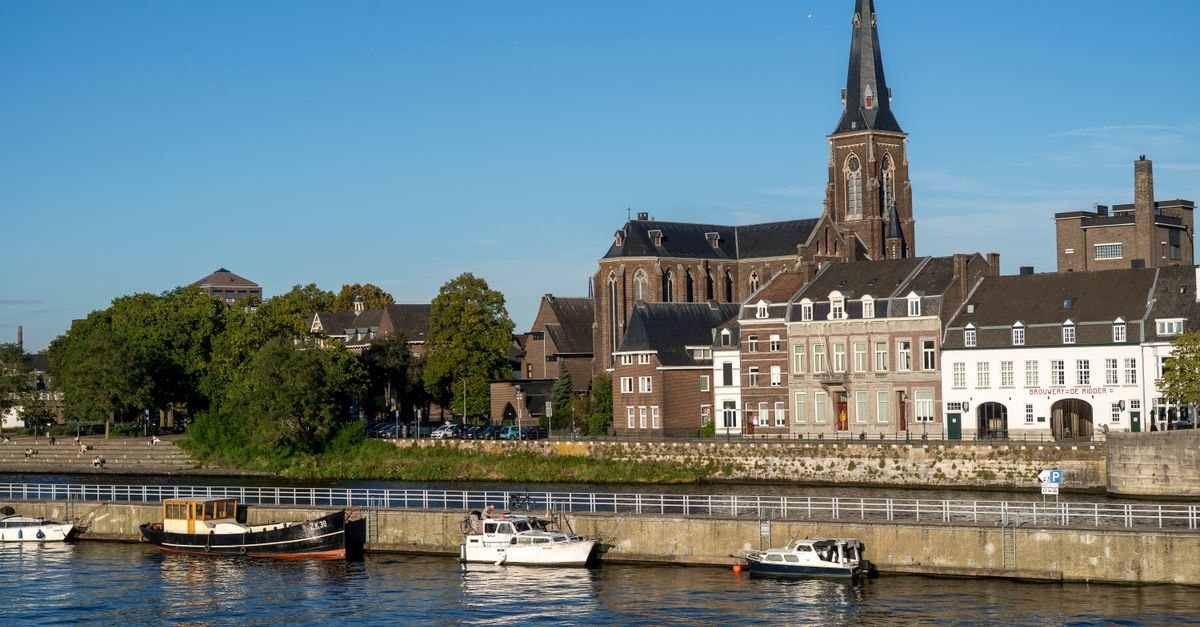
Edinburgh at a comfortable pace

Edinburgh has a way of slowing you down even when your itinerary is full. The city layers cobbled lanes, leafy university neighbourhoods and wide waterfront avenues in a way that rewards wandering as much as ticking off sights. This guide leans into that rhythm: how to arrive and move around, where the Southside and surrounding coast feel most rewarding, and what to expect when you sit down to eat. Think of it as a soft-handed companion rather than a checklist, with just enough structure to help you decide what your own Edinburgh looks like.
Getting around
Edinburgh is genuinely well connected for a compact capital, which is one of the first things travellers notice on arrival. The city's transport options span tram, train, bus and taxi for the airport run, so the choice between them is more about budget and luggage than convenience. For most visitors the tram is the calmest way in, the bus network fills in the neighbourhoods trams don't reach, and a short walk is often quicker than expected between central landmarks.
If you want a single reference for the whole system, an Edinburgh transport guide pulls the options together into one place, from the bus and tram network through to walking, cycling and airport transfers. That kind of overview is handy before you arrive, because it lets you match your hotel's neighbourhood to the right line or stop and avoid hauling bags across Princes Street more than once. Cycling is a reasonable option for confident riders too, particularly along the flatter stretches and the cycle-friendly routes that ring the city.
The airport connection is the one journey most travellers research in advance. Because tram, train, bus and taxi all run to and from the airport, you don't need to commit to one mode before you land — a quick look at your terminal, the time of day and how much luggage you have is usually enough to pick the smoothest option. The city itself rewards a layered approach: tram for the airport and main spine, bus for filling in the gaps, and your own two feet for the Southside's quieter streets.
Attractions and planning
Edinburgh's appeal is wonderfully concentrated, and a good plan leans into that rather than racing across town. The Southside is a perfect example: home to the city's oldest university, a run of fascinating museums, cosy coffee shops and leafy public spaces, it has the feel of a neighbourhood that rewards an unhurried morning or a slow afternoon between meals. Pairing one museum with a long coffee stop and a walk through the surrounding streets tends to feel more like Edinburgh than a checklist of attractions, and it leaves room for the unexpected — a tucked-away gallery, a secondhand bookshop, a bench with a view over a square.
Beyond the city centre, the coast to the east opens up a different mood. East Lothian is the kind of day-trip territory that pairs easily with a beach walk, a look at local wildlife, and a return to Edinburgh in time for dinner. Vast beaches, captivating wildlife and award-winning attractions give the area a self-contained feel, so it works just as well for a half-day escape as for a full day out. Travellers who like to balance cultural sightseeing with breathing room will find that combination especially satisfying, because the city and the coast genuinely complement each other.
A few practical habits help any Edinburgh plan feel smoother. Build in more time than you think you need for the Old Town and Southside — distances look short on a map, but the cobbles, closes and viewpoints slow you down in the best possible way. Keep at least one half-day unscheduled so you can follow a recommendation from a café barista, a museum guide or a fellow traveller. And if East Lothian calls to you, treat it as a real change of scenery rather than a hurried detour; the beaches and coastal villages have a slower pulse that rewards lingering.
Food and local context
Edinburgh's food scene has changed a lot in recent years, and visitors benefit from that shift even on a short stay. The city has moved well beyond the old impression of a capital that was hard to feed well, with a wider range of independent kitchens, neighbourhood restaurants and modern Scottish cooking sitting comfortably alongside long-standing institutions. You can eat casually at almost any hour of the day, and the Southside in particular feels like a place where coffee, lunch and an early dinner tend to blur into one relaxed meal with a book or a friend in tow.
When you want something unmistakably Scottish, traditional dishes give the trip a sense of place. From haggis to cullen skink, the classic dishes are a useful anchor: haggis, served in its traditional form, has a warm, savoury, peppery character that surprises first-time visitors, while cullen skink is a silky smoked-haddock soup that works beautifully as a starter or a light lunch. Looking out for these dishes on menus is one of the easiest ways to feel like you're eating in Edinburgh rather than in any other European capital, and they pair naturally with the modern Scottish cooking that has reshaped the city's restaurants.
Across the United Kingdom more broadly, traditional food culture tends to celebrate hearty, ingredient-led dishes and a strong pub-and-restaurant tradition, and visitors will sense that context while dining in Edinburgh. That wider backdrop helps explain why Scottish classics feel so rooted here, and why they show up in both casual and more refined settings. If you're curious, take it as an invitation to ask waitstaff what's local, what's seasonal, and what the kitchen is particularly proud of right now — Edinburgh's hospitality scene tends to respond warmly to that kind of question.
A few small habits make eating in Edinburgh more enjoyable. Book ahead for dinner in busier neighbourhoods, especially on weekends, but treat lunch and mid-afternoon as the flexible, walk-in hours. Mix at least one traditional Scottish meal with at least one modern kitchen, so you get both the heritage and the new wave the city is known for. And don't underestimate the Southside's café culture — a long coffee with a pastry is as much a part of the Edinburgh food story as any dinner reservation.
Practical notes before you go
Edinburgh rewards a little preparation, but not a rigid plan. Confirm the latest transport details, including any timetable changes on trams and buses, before you travel, and check opening hours for the museums and attractions you most want to visit. If East Lothian is on your list, look up the season's opening times for the specific coastal attractions you have in mind so your day out matches what's actually open. And give yourself permission to do less than you planned — the city does most of the work for you once you arrive.
> **A quick note on accuracy.** Travel details — transport timetables, attraction opening hours, restaurant availability and pricing — can change at any time. Treat this guide as a helpful starting point, and always confirm the latest information through official transport, attraction and restaurant channels before you book or set out.
Prices, opening hours, schedules, reservation rules, and local conditions can change; verify them through official channels before departure.
Share this article
TOOLS FOR THIS PLAN
Make the Edinburgh plan measurable
Choose a tool only when it answers the next question in your trip. Your values stay in the browser, and each tool offers a route back to this planning context.