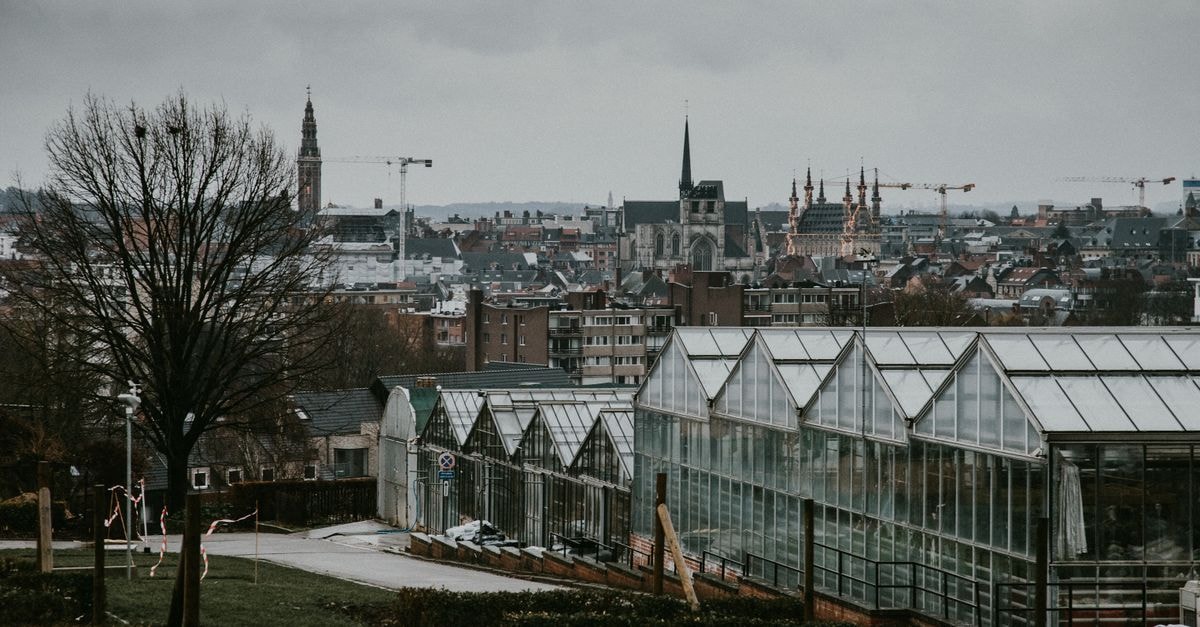
There is something quietly arresting about a place that wears its age lightly. Nijmegen is widely described as the oldest city in the Netherlands, and yet the phrase that locals and visitors tend to reach for is that it remains young at heart. The city holds onto its historical layers without turning them into a museum case, and that balance — between past and present, between stone and water — gives a visit a particular kind of calm energy.

What strikes first-time visitors is how close the natural world sits to the urban core. The River Waal runs through the experience of the city, and the surrounding countryside rolls outward in gentle, green waves. You do not have to leave the centre to feel that the landscape is doing some of the talking. Walk a few streets in any direction and you cross paths with river light, tree-lined squares, and the kind of open sky that the Netherlands does so well.
This guide is built for travelers who like their cities slow, walkable, and storied — readers who would rather learn the rhythm of a place than rush through a checklist. The focus here is on what is genuinely supported about Nijmegen: how the city feels to move through, and how the weather and seasons shape that movement.
Weather and seasonal context
The general climate story around Nijmegen is mild and pleasant for a large stretch of the year. Travel guidance for the region describes April through September as a particularly comfortable window for visiting, with summer — broadly the June–July stretch — also standing out as a lively period thanks to local festivals and outdoor programming. Hiking and longer countryside walks are often noted as a July draw, when the weather tends to cooperate most reliably for spending long hours outside.
That said, an evergreen mindset matters here. Weather in this part of the Netherlands can shift quickly, and a single week can pass through sunshine, drizzle, and overcast skies without much warning. Light layers, a compact rain jacket, and shoes that can handle damp pavement are sensible companions for most of the year. In summer, the days run long and the light lingers, which means early mornings and later evenings tend to feel especially gentle for walking.
If you are someone who plans around atmosphere rather than heat alone, the shoulder windows of spring and early autumn can feel particularly rewarding: fewer crowds in the most touristed corners, cooler temperatures for sustained walking, and that soft, low-angle Dutch light that photographers tend to chase. Winter is quieter still, with shorter days and a more contemplative pace, though the city itself does not close down.
For visitors who want to align their trip with energy rather than weather alone, the broader guidance suggests aiming for the April–September window if open-air walking and cycling are central to your plans, and accepting that summer months may bring more events and busier streets as a trade-off.
Getting around and feeling the city
Nijmegen rewards a slow, on-foot approach. The historic centre is compact enough that many of the things worth lingering over sit within an easy walk of one another, and the riverside location means that water becomes a natural wayfinder rather than a barrier. You orient by the Waal, by the bridges, and by the way the old streets open unexpectedly onto squares and viewpoints.
One of the most useful pieces of context for any visitor is simply this: Nijmegen is widely recognized as a very safe city, with a notably bicycle-friendly urban environment. Low levels of violent crime and a culture that genuinely accommodates cyclists mean that moving through the city on two wheels feels natural rather than adventurous. For travelers used to denser or more car-dominated cities, this is one of those small shifts that quietly changes how a place feels.
The wider setting matters too. Nijmegen sits within rolling countryside, and traces of its long history are still part of everyday surroundings. That pairing — a compact, walkable historic core alongside open green space just outside it — makes the city flexible for different travel moods. You can spend a morning exploring the old streets and an afternoon on a riverside path or a country lane, without the day feeling like it has been split between two different trips.
For practical movement, the bicycle is the local shorthand for everyday transport. If you plan to ride, give yourself a short adjustment window on the first day: Dutch cycling culture has its own courteous patterns, and locals tend to flow smoothly when everyone understands the rhythm. Walking remains the best way to take in the older parts of the city, where the streets invite you to slow down and notice details.
A small, useful mindset for arriving visitors: treat the river as your anchor and the historic centre as your starting point. From there, let curiosity — rather than a strict route — shape the day. The city is compact enough that you cannot really get lost, and open enough that you will keep finding new angles on familiar ground.
How to read this guide
Everything above is built directly from publicly available descriptions of Nijmegen, including its longstanding identity as the Netherlands' oldest city, its riverside setting on the Waal, the surrounding rolling countryside, its safe and bicycle-friendly urban character, and the broader seasonal window in which visitors tend to find the weather most pleasant. None of the practical claims here depend on unverified specifics.
Conditions on the ground — including weather, event programming, and local services — can change, and the most reliable current information will always come from official Nijmegen and Netherlands tourism channels closer to your travel date. Treat this guide as a starting framework rather than a final itinerary, and check live sources before locking in any plans that depend on specific opening times, ticket availability, or scheduled events.
With that grounding in place, Nijmegen tends to reveal itself best to travelers who arrive curious and unhurried. The city is old, the landscape is generous, and the pace is yours to set.
Prices, opening hours, schedules, reservation rules, and local conditions can change; verify them through official channels before departure.
Share this article
TOOLS FOR THIS PLAN
Make the Nijmegen plan measurable
Choose a tool only when it answers the next question in your trip. Your values stay in the browser, and each tool offers a route back to this planning context.