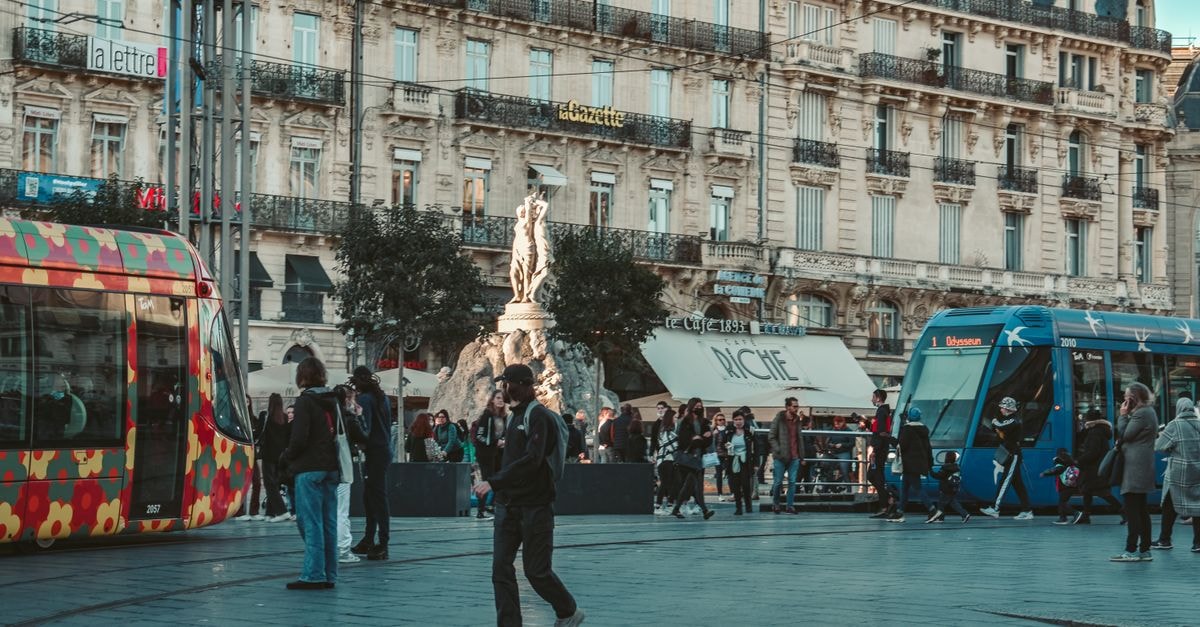
A first glimpse of Sibiu

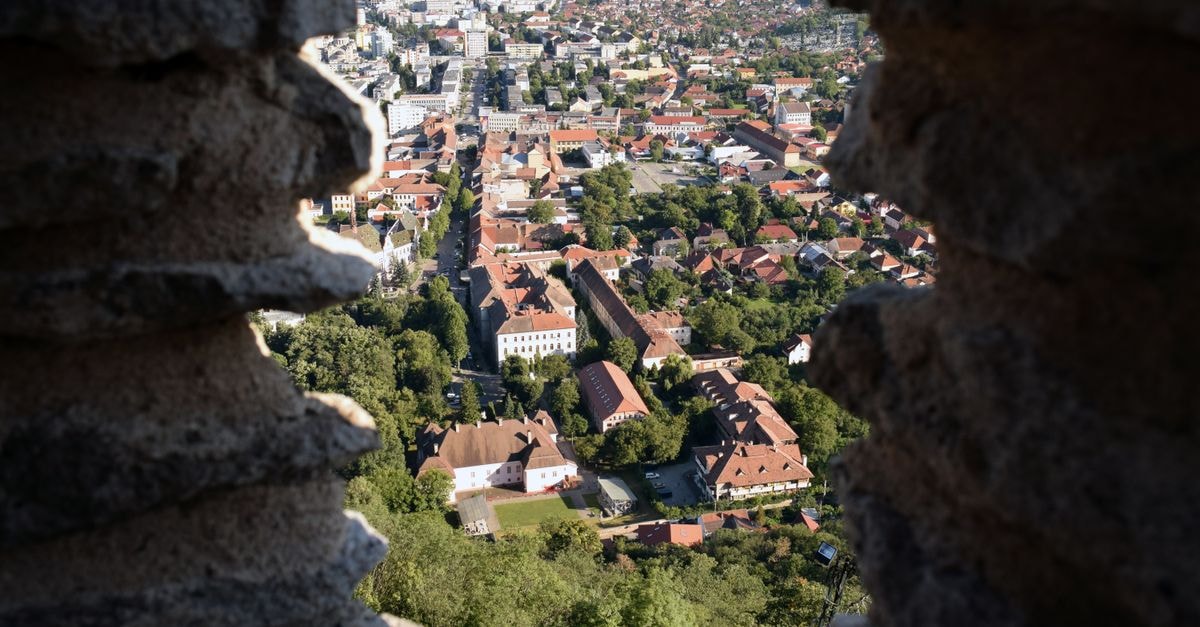
There is a quiet kind of theatre to arriving in Sibiu. The city has carried a name for beauty for centuries, and visitors tend to feel that reputation settle over them as soon as the old town comes into view. The region's official heritage notes that Sibiu's fame has long travelled widely, and a Daily Telegraph piece once called it "one of the most beautiful" cities of Romania and "a Transylvanian pearl" — a phrase that still captures the feeling of wandering its squares. Set in southern Transylvania, roughly 280 km by road from Bucharest, the city is a natural pause point for anyone tracing the wider region.
What makes Sibiu especially appealing to slow travelers is that it works on two levels at once. You can spend a full day simply drifting between coffee shops, bookshops, and cobbled lanes, and you can also use it as a practical base for exploring elsewhere in Transylvania when the mood for a longer outing takes you.
Getting around and using Sibiu as a base
Sibiu sits comfortably inside the Transylvanian road network, and its connection to Bucharest is straightforward by road. That relative ease of access shapes how most independent travelers approach the city: arrive overland, settle into the old town, and decide on the fly whether to stay put or fan out into the surrounding region. Local authorities and the Sibiu County tourism site treat Sibiu as a Transylvanian hub, and the city's official visitor pages are organized around that idea — listing sights, museums, performing arts, attractions near Sibiu, and day trips from Sibiu as a single planning family.
For travelers who like to keep their options open, that structure is genuinely useful. The same pages that help you orient in the old town also point you toward the countryside, the smaller Saxon villages, and the mountain roads that make Transylvania such a rewarding region to drive. Treat Sibiu as your home address for a few days rather than a single destination, and the trip immediately feels more relaxed.
If you are mapping out logistics, the city's official tourism portal groups transportation, places to stay, shopping, and tourist info into one section, which is a helpful starting point before you start booking anything independently.
Climate and how to pace the day
Sibiu sits in a part of Romania where summer temperatures tend to feel more pleasant than in many other parts of the country. Even at the warmest stretch of the year, the city generally avoids the heavier heat that settles over lower-lying regions, which means long walks through the old town and afternoons spent on café terraces tend to stay comfortable. That said, the climate still rewards a gentle pace: morning and late afternoon are the most forgiving hours for exploring, while the middle of the day is often best reserved for a slower lunch, a museum stop, or a rest back at your accommodation.
The practical takeaway is simple. Plan your outdoor sightseeing for the bookends of the day, and let the warmest hours slide into indoor culture or a long meal. Comfortable shoes matter more than a strict schedule, because much of Sibiu's pleasure is in the small transitions between squares, lanes, and viewpoints.
The old town and how to plan your time
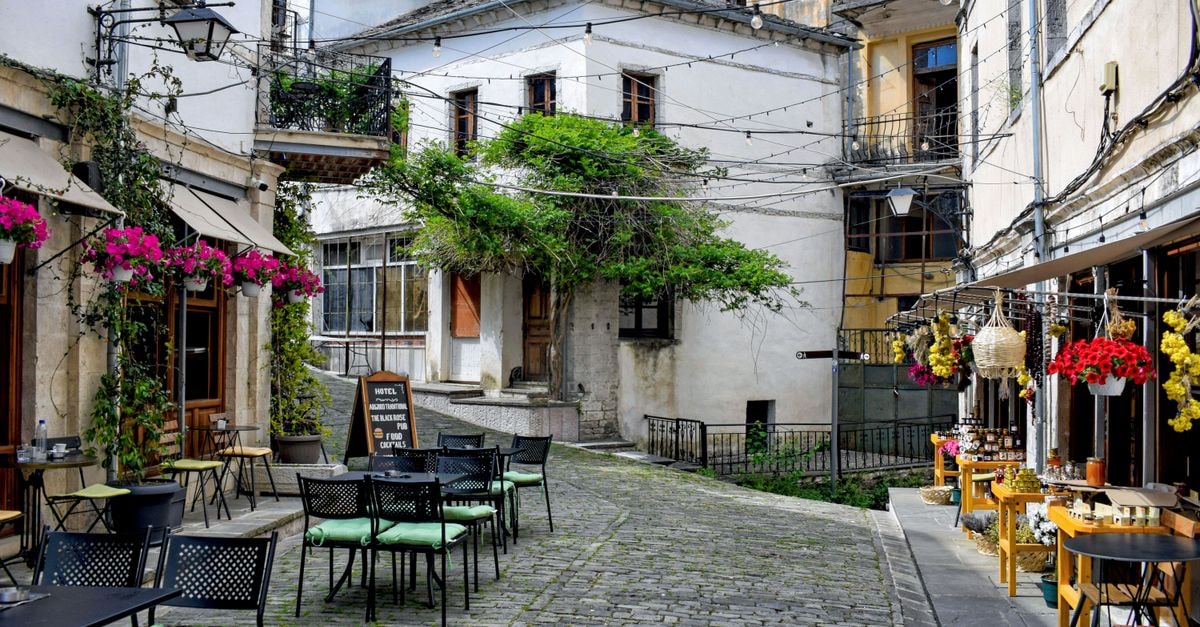
The heart of any visit is the old town, and the city's official visitor information centers on the Great Square (Piața Mare) as the anchor point. From there, the rest of the historic center reads like a series of open-air rooms: smaller squares, stone-paved streets, and the kind of pastel façades that reward slow, unhurried looking. The official portal helpfully clusters the most useful categories in one place — sights and landmarks, museums, performing arts, attractions near Sibiu, and day trips from Sibiu — which makes it easy to build a loose itinerary without overplanning.
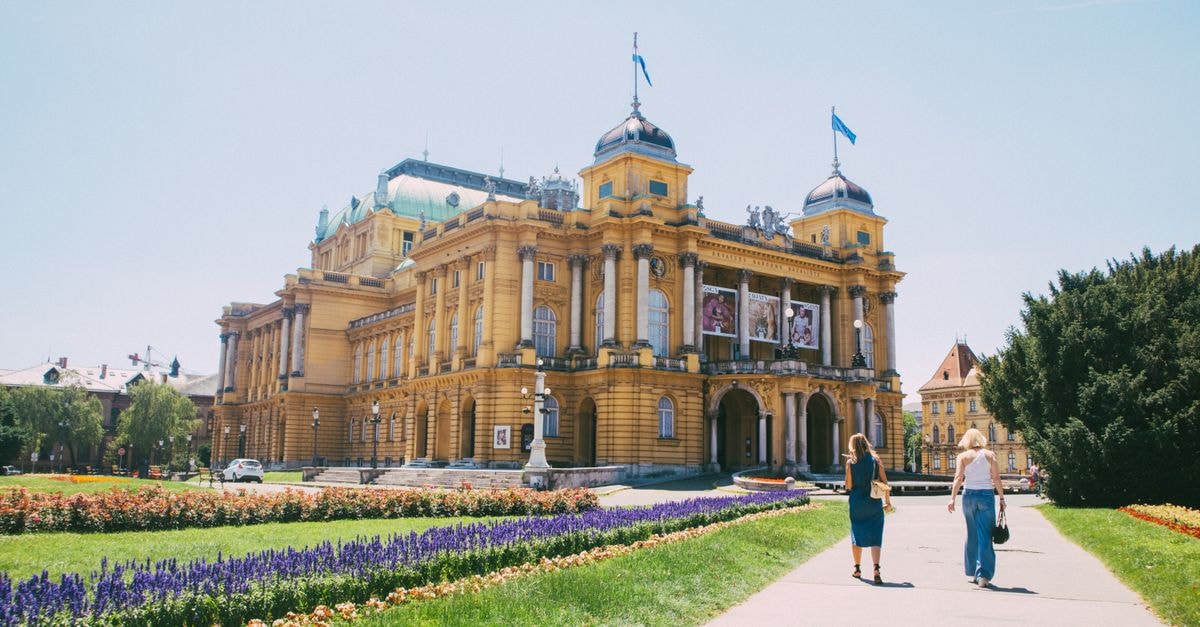
A sensible rhythm is to give the old town at least one full day on foot, with a second day added if you want to step inside museums, climb towers, or catch a performance. Theaters and concert venues are part of the city's cultural fabric, and seasonal programming is often listed alongside the permanent sights, so it is worth checking the official site as your dates approach.
Day trips and the wider Transylvania
One of Sibiu's quiet advantages is how naturally it lends itself to side trips. The city's visitor pages explicitly frame it as a base for exploring the surrounding region, and the Transylvanian landscape beyond the city limits is varied enough to support very different moods: wooded hills, fortified churches, open farmland, and quieter towns that feel a world away from the bustle of the old town.
Because Sibiu sits within an easy road network, you can choose between half-day outings and full-day excursions without much logistical stress. A common pattern is to spend two or three nights in the city itself, then use a fourth day to venture further afield, returning to a familiar neighborhood for dinner. The appeal is less about ticking off a list of nearby places and more about having the option, and Sibiu handles that role with ease.
Food and local context
Sibiu's food scene reflects the layered culture of southern Transylvania, and the city is a satisfying place to eat whether you lean toward heavier, traditional flavors or lighter café fare. Local food writing describes a culinary identity shaped by three distinct traditions: Saxon dishes such as roast goose and apple strudel served in vaulted cellars, the Romanian core of sarmale, mici, and bulz ciobănesc, and the shepherd's tradition of smoked sheep cheese served with polenta. Together, these give the city a menu that feels rooted in its geography rather than imported from elsewhere.
The country in general has a strong tradition of sheep's milk cheeses, and one of the most recognized regional products is Telemea de Sibiu PGI, a semi-hard cheese made from sheep's milk and rooted in the rolling grasslands of Sibiu county, where sheep have grazed for centuries. That pastoral background often shows up on menus in the city, and it is a useful reference point when you are choosing what to eat.
Wider Romanian dining customs that visitors often encounter include generous portions, a leisurely approach to meals, and a habit of lingering over drinks and conversation. None of this is unique to Sibiu, but it shapes the rhythm of a typical evening in the old town, where dinners tend to stretch nicely into the night.
Practical notes before you go
A few practical points are worth keeping in mind without overcomplicating your planning. The city's official tourism site is a reliable starting point for transportation, accommodation, and event listings, and it groups that information in a way that works well for independent travelers putting together their own route. Currency, transport schedules, and entry details can all change, so it is sensible to verify the most current information through official channels before departure and during your stay.
In short, Sibiu rewards visitors who arrive with a loose plan and stay flexible — a city to wander slowly, eat well, and use as a base for the wider Transylvanian countryside.
*Factual conditions can change, and official channels should be checked before departure.*
Share this article
TOOLS FOR THIS PLAN
Make the Sibiu plan measurable
Choose a tool only when it answers the next question in your trip. Your values stay in the browser, and each tool offers a route back to this planning context.