A quiet capital on the steppe

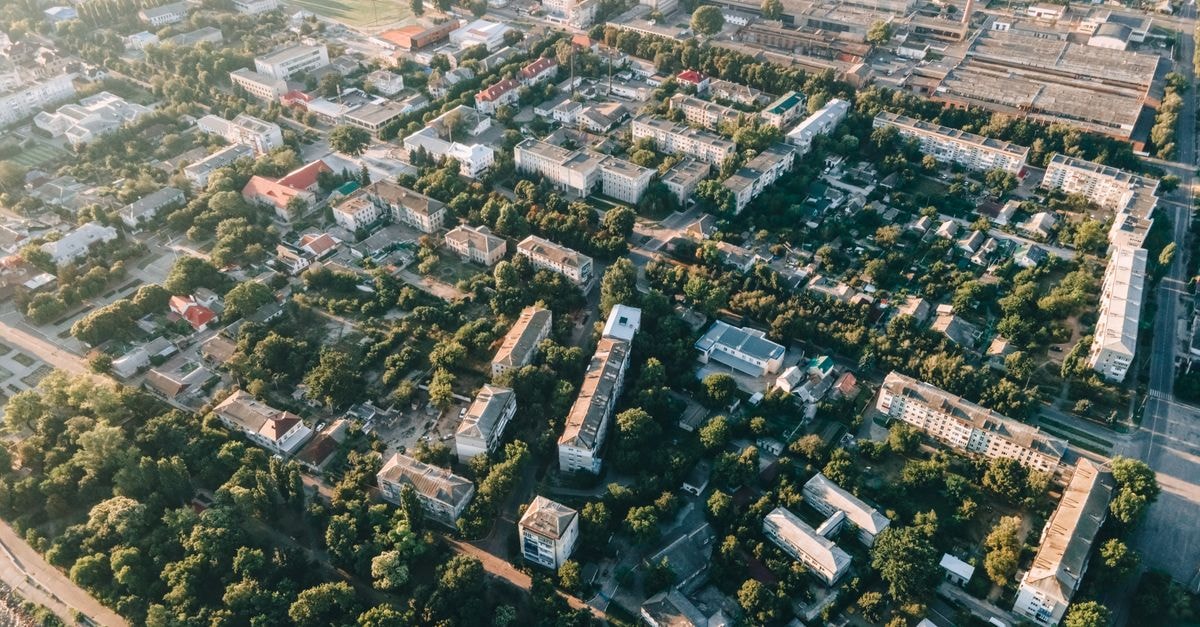
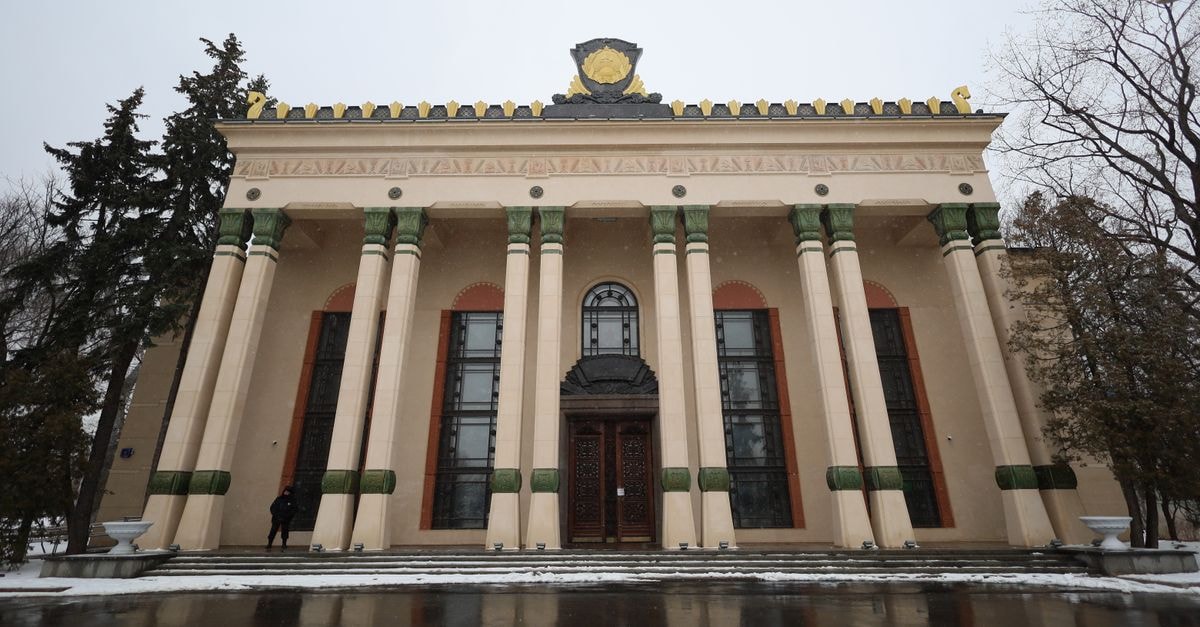
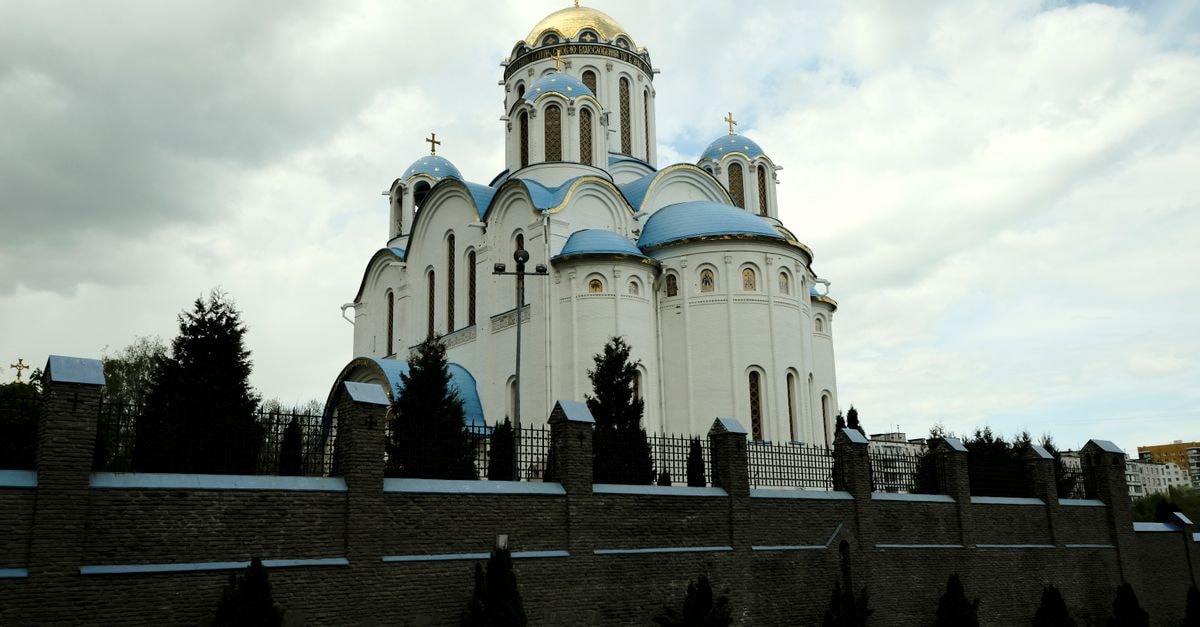
Elista, the capital of the Republic of Kalmykia, sits on wide Russian boulevards framed by a mix of architectural styles that quietly reveal its multicultural heritage (F4-2). Founded in 1865 and home to just over 100,000 residents, it is a small city with an unusually distinct identity — a blend of Russian and Buddhist cultures that surfaces in its monuments, temples, and everyday rhythm (F4-1, F5-1). It can feel less like a typical Russian provincial city and more like a small capital where steppe horizons meet pagoda silhouettes.
For travelers who like unhurried cities with a curious cultural layer, Elista can offer a rewarding few days. Kalmykia is increasingly asserting itself as a promising tourist destination, which means visitor infrastructure exists but remains intimate rather than overwhelming (F3-1). If you prefer a destination where local character outweighs tourist checklist pressure, this is a place worth slowing down in.
Getting around
The city is compact and built on wide streets, which makes moving between sights straightforward. Bus service covers the main sites at around 25 RUB per ride, though service can be infrequent — checking schedules in advance is worth doing (F1-2). Travelers who dislike waiting around for transport may want to plan a couple of main outings per day rather than attempting a packed schedule.
Reaching Elista from elsewhere in Russia typically means flying from Moscow. Rusline operates flights a few times a week between the two cities, so timing the arrival around a specific flight window is sensible (F5-2). Once in town, walking and the local bus network handle most sightseeing needs.
If you enjoy cities where the rhythm of public transit shapes the day, Elista can suit that pace. Visitors who need frequent and predictable service may want to reconsider relying solely on buses and instead combine them with on-foot exploration between the main clusters of sights.
Sights and surrounding context
One of the city's most unusual landmarks is a giant chessboard left over from the 1998 Chess Olympiad, where visitors can play with oversized pieces — a lighthearted stop that gives the central area a playful feel (F2-2). Beyond the chessboard, the city's identity shows up in its temples, monuments, and open squares, all easier to appreciate on foot thanks to the broad boulevards (F4-2).
The wider republic has a defined seasonal personality. The region around Elista is known for the flowering of wild plants, an abundance of fruits, and rich wildlife during warmer months — a context that visitors may encounter through local markets or short excursions (F3-2). Outside that period, the steppe takes on a quieter character, and the slower pace can feel meditative.
Travelers who enjoy outdoor markets and seasonal produce may find the warmer half of the year especially rewarding here, when fruit and wild plant abundance shapes what is on offer locally. If you prefer a calmer, less market-driven atmosphere, pacing sightseeing around the cooler hours of the day can make outdoor walking more comfortable.
Food and local context
Elista does not have its own well-documented restaurant scene in the available evidence, so it makes sense to read its food culture through the wider Russia context that visitors will likely encounter. Russian cuisine goes well beyond old stereotypes of boiled cabbage and gray mystery meat — real cooking in the country starts with the crackle of pork fat rendering in a cast-iron skillet and ends with the sharp tang of fermented rye bread that lingers on the tongue (F6-2).
Among the most universal comfort foods across Russia are pelmeni — Siberian meat dumplings that appear in countless variations and are deeply embedded in everyday eating (F7-1). For travelers who want a grounding taste of the country, pelmeni can serve as a reliable entry point almost anywhere, including smaller cities like Elista.
Russia also has a luxury food tradition worth knowing about. Black caviar is among the most expensive food products on Earth, and its high price reflects a history of ecological strain being slowly redeemed by aquaculture (F7-2). Visitors curious about regional identity may want to look for local Kalmyk tea, dumplings, and dairy-influenced dishes once in the city, while keeping Russian staples like pelmeni and dark rye bread as a familiar base (F6-1).
If you are a traveler who likes to explore food through national staples rather than restaurant rankings, this kind of grounding can make mealtimes in Elista feel approachable. Travelers who need a wide choice of international cuisine may want to set expectations for a more limited, locally rooted food scene.
Choosing what fits the trip
Elista rewards a slow pace, so it tends to suit travelers who prefer cultural depth over a packed checklist. The compact layout and infrequent buses favor visitors comfortable mixing walking with occasional rides, rather than those who depend on dense public transit (F1-2). The Russian-Buddhist cultural blend and unusual landmarks like the giant chessboard may particularly appeal to travelers interested in lesser-known corners of Russia, while those seeking a high-energy urban trip may find the city's quiet rhythm a calmer fit (F2-2, F4-1). Food experiences will lean toward wider Russian staples like pelmeni and rye bread rather than a documented local restaurant circuit, so culinary explorers may want to combine home-style cooking with curiosity for Kalmyk dishes as they appear (F6-1, F6-2, F7-1).
A note before you go
Factual travel conditions can change, so checking official transport schedules, accommodation availability, and any entry requirements through current channels before departure is always wise. The 25 RUB bus fare mentioned here reflects a single source point and may have shifted; consider confirming the current rate locally (F1-2). For flights from Moscow on Rusline, a few services a week means planning the arrival date around the schedule rather than the other way around (F5-2).
*Is there a specific neighborhood or landmark in Elista you would like more detail on before your visit?*
Prices, opening hours, schedules, reservation rules, and local conditions can change; verify them through official channels before departure.
Share this article
TOOLS FOR THIS PLAN
Make the Elista plan measurable
Choose a tool only when it answers the next question in your trip. Your values stay in the browser, and each tool offers a route back to this planning context.