A First Look at Yuzhno-Sakhalinsk

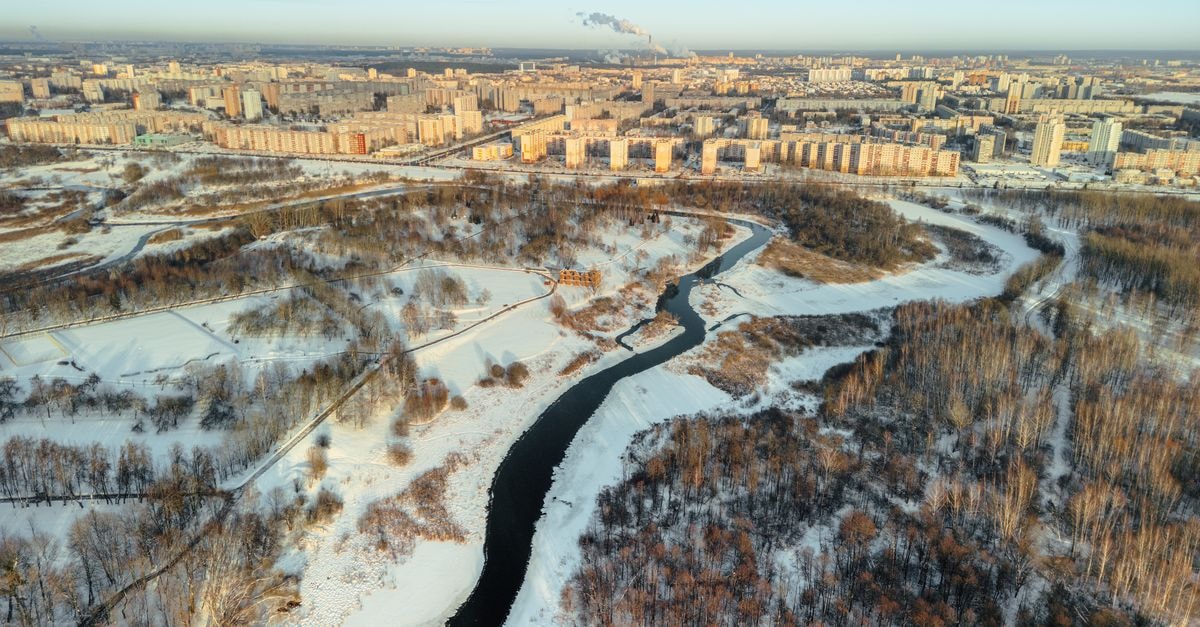
Tucked between the Tatar Strait and the forested ridges of Sakhalin Island, Yuzhno-Sakhalinsk has the unhurried feel of a regional capital that takes its time. Wide Soviet-era avenues meet small mountain views, the air carries a Pacific breeze, and the rhythm of the day shifts with the weather in a way that locals seem to read instinctively. For independent travellers, it works best as a base: a place to settle in, adjust to the climate, and use as the launching point for the rest of Sakhalin.
The practical reality, and the reason this city earns its place on an itinerary, is that almost every journey on the island begins or ends here. That single fact quietly shapes how you plan transport, packing, and pacing for the days ahead.
Weather and Seasonal Context
Yuzhno-Sakhalinsk's climate tends to keep visitors on their toes because a single day can move through several temperatures. Average readings sit around 16°C (61°F), but maximums can climb toward 28°C (83°F) while minimums drop to roughly 6°C (43°F). That swing means a sunny afternoon can give way to a noticeably cool evening, sometimes within the same outing.
What this looks like in practice is layering rather than packing a single uniform wardrobe. A light jacket earns its space in the bag even on warmer days, and breathable fabrics make the warmer moments more comfortable. If you tend to feel cold easily, an extra mid-layer is worth carrying on outdoor walks; if you run warm, the same setup lets you strip down comfortably when the sun is out.
One useful habit is to plan the day around the temperature curve. Morning and late afternoon tend to feel crisper, which is often a comfortable window for walking and longer outdoor stops. Midday, when readings are at their highest, can be a natural pause for a long lunch, a museum visit, or simply sitting somewhere with a view. The point is not to chase perfect weather but to move with it, letting the day feel easier than it would if you fought the temperatures head-on.
Getting Around
Yuzhno-Sakhalinsk functions as the main hub for all means of transportation on Sakhalin, which simplifies planning more than it might first appear. You do not need to choose between competing cities or terminals; almost every island route threads back through here. That centrality is one of the most useful things to know before booking onward travel.
It is worth knowing that the rail link between Kholmsk and Yuzhno-Sakhalinsk exists on the map but, according to the cited reporting on Sakhalin's transport network, is in a sorry state and carries no traffic. For practical purposes, treat that route as unavailable rather than as an option you might fall back on, and plan your Kholmsk-area movements through other means if they come up later in the trip.
Within the city itself, the hub status shows up in everyday ways: transport services, intercity connections, and regional links all funnel through here, which usually means more frequent departures, easier ticket purchasing, and more flexibility if a plan needs to change.
Practical Rhythm and Pacing
Because the city works as a base rather than a checklist, the most useful mindset is to give yourself a settling-in day before any longer journey. The temperature swing, the Pacific-influenced light, and the slow pulse of the place all reward a gentle start. Walk a few blocks, get a feel for the main artery through town, and let the cooler mornings and evenings stretch naturally into longer outings.
From that base, the rail options open up simple, unhurried day shapes: a morning suburban train with a return in the evening, or an overnight journey north that frees the following day for rest or short explorations in the city. Either way, the same hub-centred logic applies: you are rarely fighting against the transport map, only choosing how much of it to use.
A Note on Verifying Details
Travel information can shift between the time a guide is written and the time you actually travel. Transport schedules, service conditions, weather patterns, and on-the-ground details are worth confirming through official channels before you commit to a plan. Treat this guide as a starting framework for Yuzhno-Sakhalinsk, especially its weather rhythm and its role as Sakhalin's main transport hub, and layer in current information from authoritative local sources as your departure date approaches.
Share this article
TOOLS FOR THIS PLAN
Make the Yuzhno-Sakhalinsk plan measurable
Choose a tool only when it answers the next question in your trip. Your values stay in the browser, and each tool offers a route back to this planning context.