A High-Altitude Welcome to Eastern Anatolia

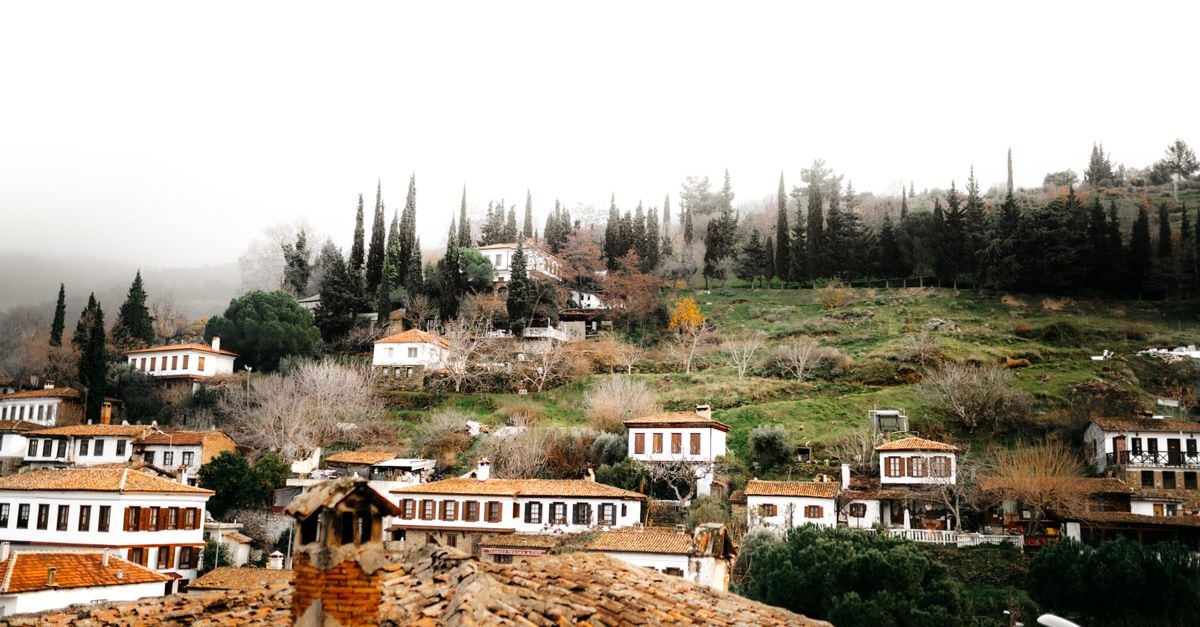
There is something quietly striking about arriving in a city that sits on a high-altitude plateau. The air feels thinner, the horizon feels wider, and the surrounding ridgeline frames almost every view. Erzurum carries exactly that kind of presence. It is the capital of Erzurum Province, set in the Eastern Anatolia Region of Türkiye, and the geography itself is a major part of what a visitor notices first. Mountains rise around the city on most sides, and the plateau setting gives the place a cooler, more open-air character than many travellers expect from a Turkish city at this latitude.
Because Erzurum sits well above sea level, visitors often talk about pacing themselves a little more gently than they would at lower-altitude destinations. Even simple walks can feel a bit different when the elevation is in play, so building in unhurried moments tends to suit the city well. The mountain-backed setting also means that light changes quickly across the plateau, and the views from the edges of town reward anyone who lingers.
This guide keeps the focus on what the approved evidence supports: a grounded look at Erzurum's geographic context and the wider Turkish food culture a visitor may encounter while in the city. There is no day-by-day plan here, and no promises about specific venues, prices, or opening hours. The aim is to give you a clear, honest sense of the place so that your own research and conversations on the ground can shape the rest.
Weather and Seasonal Context
Erzurum's weather story is inseparable from its geography. The city sits on a high-altitude plateau in the northeastern part of the country, surrounded by mountains, and that single fact shapes how visitors tend to experience the climate throughout the year. High-altitude plateaus in this part of the world are known for sharper seasonal swings than the lowlands, with cool nights even in warmer months and a general freshness to the air that lingers from morning to evening.
Because the city is positioned in the northeastern part of the country and ringed by mountains, conditions can shift quickly between sun and cloud, and the wind that travels across open plateau ground tends to feel more present than it would in a sheltered coastal or inland-lowland city. Travellers who are used to the warmer feel of southern or western Türkiye often comment on how different the air feels here, and that difference is part of the appeal rather than a drawback.
For practical planning, it helps to think of Erzurum as a place where layering matters more than in many other Turkish destinations. Even on a bright plateau afternoon, temperatures can drop once the sun moves behind the surrounding peaks, and the open ground lets breezes move freely. Pacing the day with a slower rhythm, especially around outdoor time, tends to match how the city itself feels.
Food and Local Context
Food in Türkiye is never just about individual dishes. It grows out of the prevailing cultural, geographical, ecological and economic characteristics of a place, and it is shaped by the historical process of the region it belongs to. That wider framing is a useful starting point for thinking about what visitors may encounter on the table in Erzurum, because the city sits in a high-altitude, mountain-ringed part of the country where agriculture, livestock and seasonal rhythms have long defined daily life.
Travellers who take time to sit down for a meal with locals, ask about ingredients, and watch how the menu changes with the weather tend to learn far more than any guide list could provide. The wider Turkish culinary culture rewards that kind of curiosity, and in a city like Erzurum, where the geography itself is so defining, the conversation about food often opens up into a conversation about the land.
It is worth noting that this section deliberately does not name specific restaurants, markets, or signature dishes in Erzurum itself. The approved evidence speaks to the wider Turkish food culture that visitors may encounter while in the city, and any more specific recommendation should be verified on the ground or through current local sources.
Travelling with the Landscape in Mind
Erzurum rewards a particular kind of traveller mindset. The city is not a place that demands a strict schedule; instead, it suits visitors who are comfortable leaving room in the day for the weather, the light, and the simple fact of being somewhere high and open. The plateau setting means that even short walks can feel like small expeditions, and the mountain views give the city a built-in sense of scale that is hard to find elsewhere in the country.
A few grounded habits tend to serve visitors well here. Allowing extra time for the body to adjust to the elevation, especially in the first day or two, is a practical choice that fits the geography. Dressing in layers rather than relying on a single outfit for the whole day matches the way plateau weather can shift. And treating food as a window into the surrounding land, rather than as a checklist of must-try plates, fits the broader Turkish culinary culture described above.
A Final Note Before You Go
Erzurum is the kind of city that benefits from arriving with fewer assumptions and more curiosity. Its position on a high-altitude plateau in the Eastern Anatolia Region, surrounded by mountains and open to the northeastern sky, is the clearest fact about the place, and it shapes both the weather and the food culture a visitor is likely to encounter. Once those two threads are understood, the rest of the experience tends to fall into place more naturally.
Factual travel conditions can change, and details such as opening hours, transport availability, seasonal closures, and local services should always be checked through official channels before departure. Treat this guide as a starting frame rather than a finished itinerary, and let the city itself fill in the rest once you arrive.
Please verify current conditions and local guidance through official sources before you travel.
Share this article
TOOLS FOR THIS PLAN
Make the Erzurum plan measurable
Choose a tool only when it answers the next question in your trip. Your values stay in the browser, and each tool offers a route back to this planning context.