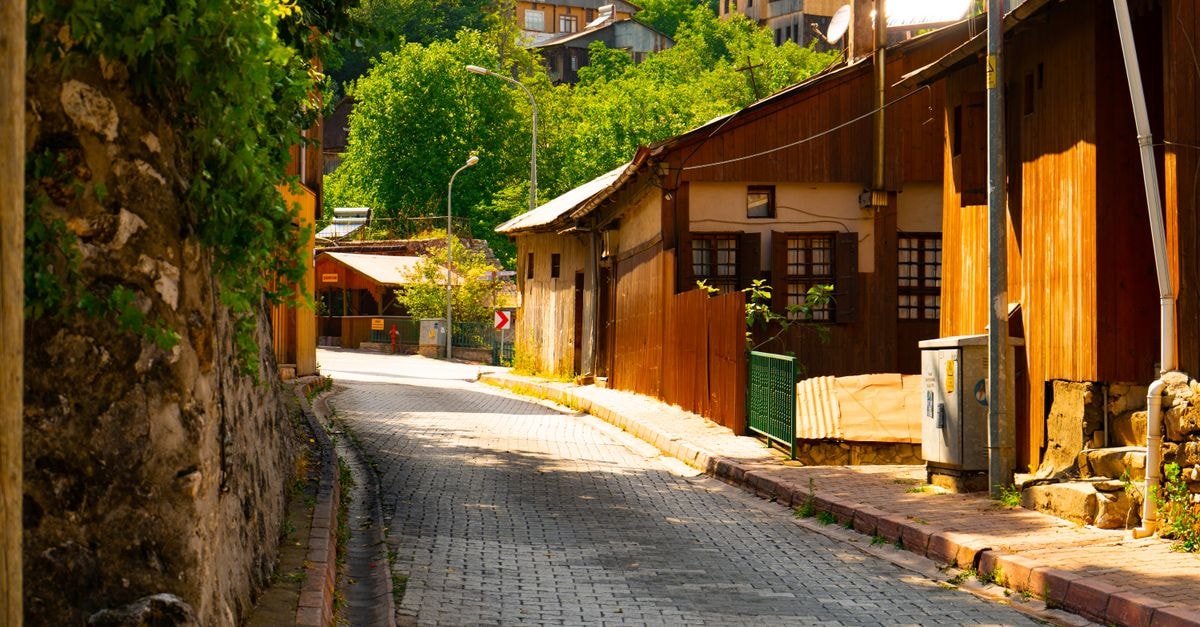
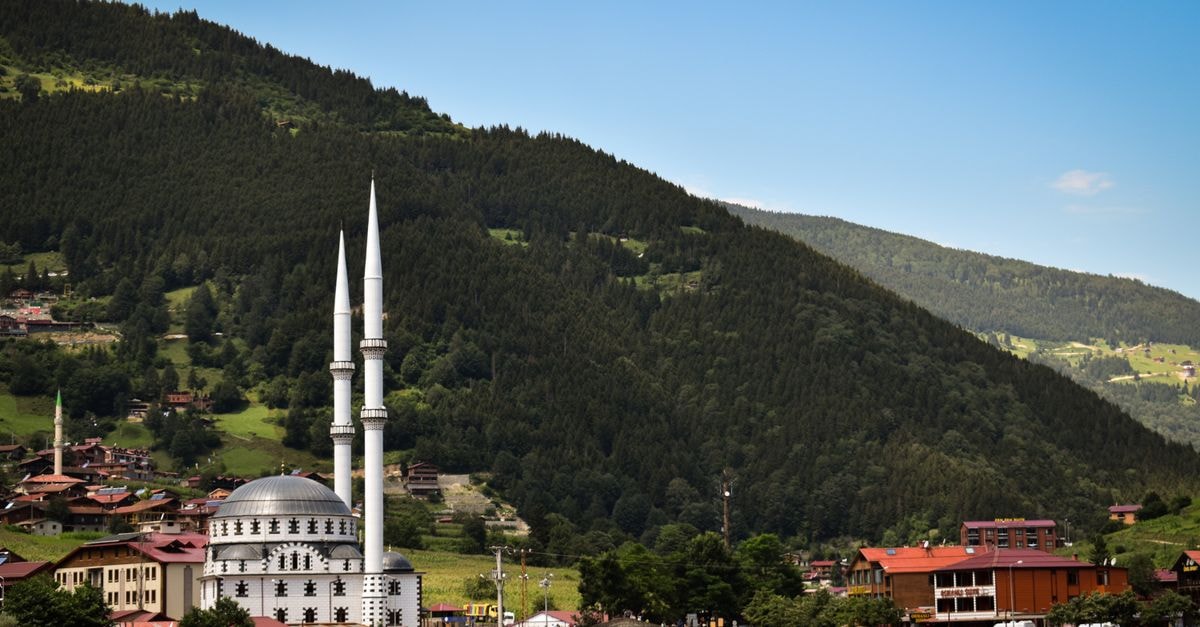
A small border city with a gentle pace
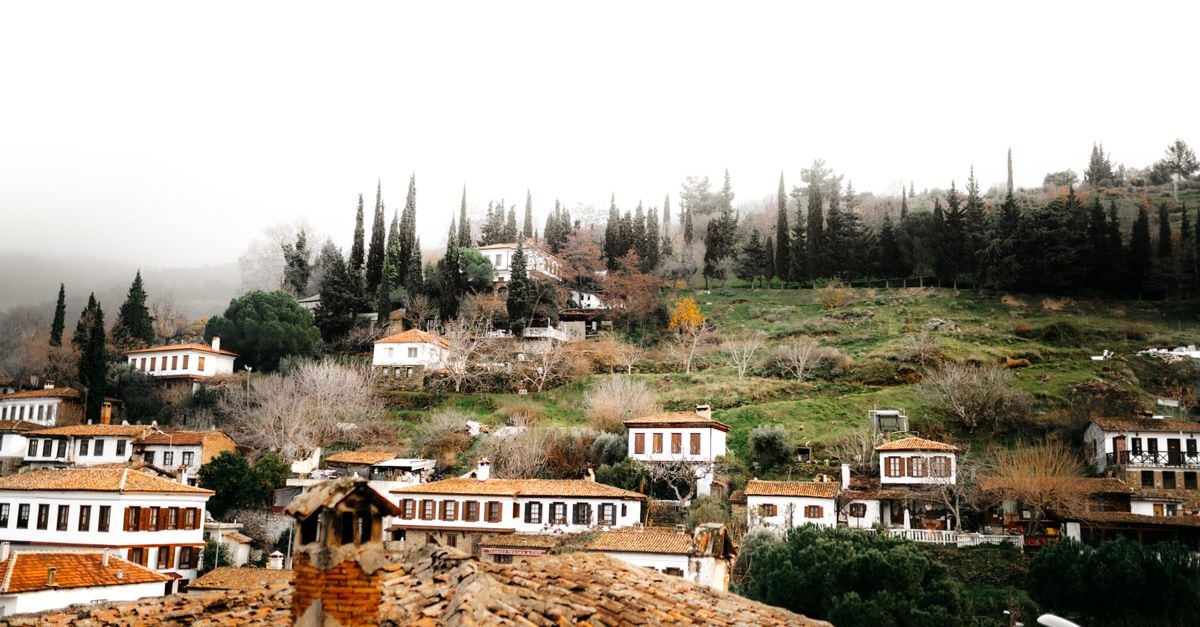
Kilis sits quietly in the southern stretch of Türkiye, close enough to the Syrian border to feel like a crossroads and far enough from the well-worn tourist circuits to feel genuinely local. The rhythm here is unhurried. Mornings move slowly, afternoons are warm, and the small-city texture is part of the appeal for travelers who prefer a slower style of exploration over checklist sightseeing.
For the kind of visitor who likes walking unfamiliar streets, stopping for tea, and paying close attention to small details like the shape of a doorway or the pattern on a tiled wall, Kilis can be a rewarding pause. It is not a city built for packed itineraries. It rewards a curious, unhurried approach, and its modest scale makes that easy to manage.
This guide focuses on what the available facts actually support: a basic seasonal picture and a sense of how everyday costs and wider Turkish food culture may shape a visit.
Weather and seasonal context
The closest specific climate reference in the approved evidence points to the wider Kilis region, where early spring tends to bring an average daytime temperature near 14°C (57°F) and overnight lows around 5°C (41°F), with around 65 mm of rain and the kind of occasional shower that signals a season in transition. That is not a description of every week of the year, but it does suggest the kind of layered, changeable conditions that can shape travel in this part of southern Türkiye.
In practical terms, the southern Turkish climate can feel noticeably cool in the early morning and evening, even when afternoons are pleasant. If you prefer traveling without the friction of heavy layering, mornings and evenings in this region can call for a light jacket or a sweater, while midday is often comfortable in lighter clothing. Travelers who dislike being caught out by a sudden rain shower may want to keep a compact umbrella or a packable rain layer in their day bag during transitional months, since conditions can shift quickly between sunny spells and brief wet stretches.
Because the available weather evidence is limited to one seasonal snapshot rather than a full annual profile, this guide treats the climate as context rather than a planning guarantee. Treating weather as something to dress for in flexible layers, rather than something to predict precisely, is the most realistic approach with the information at hand.
Daily costs in plain terms
For travelers watching their budget, the most concrete cost reference for Kilis in the available evidence points to a budget traveler daily range of roughly $35–55 per day, framed around cheap local prices, basic guesthouses, and street food. That figure reflects the cost of getting by day to day in the city and does not include accommodation or intercity transport, which can shift a total trip budget meaningfully depending on how you travel.
For independent travelers who like to stretch their money and eat where locals eat, that range can suit a comfortable pace that includes simple lodging, regular street meals, and the occasional café stop. Travelers who prefer a buffer of comfort, larger hotel rooms, or sit-down meals may find that range tight and should plan for some flexibility above it. Because the cost figure is presented as a budget-traveler scope rather than a universal citywide price level, treat it as a starting point and adjust for your own style rather than as a fixed ceiling.
If you are converting from another currency, keep in mind that published exchange rates only serve as a reference; the actual rate you receive from a bank, card, or exchange office can differ, so it is worth checking the live rate before you travel.
Food and local context
The approved evidence does not describe a specific Kilis menu or a named restaurant, but it does anchor Kilis firmly within wider Turkish food culture. That matters because, in practice, much of what a visitor actually eats in a small Turkish city is shaped by the country as a whole: the tea gardens, the kebab houses, the börek stalls, the breakfast spread of cheeses, olives, tomatoes, and bread, and the small bowls of mezes that arrive without being ordered.
Visitors to Kilis may encounter this wider Turkish food culture in everyday settings: a simple breakfast plate, a lunchtime pide or döner from a local spot, an afternoon tea served in a small curved glass, and evening meals built around grilled meat, bread, and shared plates. The specifics of which dishes appear in which venue will vary, and are best discovered on the ground, but the underlying rhythm of eating in Türkiye is consistent enough to set expectations.
For travelers who care most about food, the practical move in a city like Kilis is to lean into the small, unpretentious places: the lokanta with a daily-changing tray of stews, the bakery turning out fresh simit or poğaça in the morning, and the tea garden where you can sit and watch a neighborhood go by. Travelers with very specific dietary needs, strong preferences, or limited flexibility around ingredients may want to ask before ordering, since menus in smaller Turkish cities are often simpler and less labeled than in larger destinations.
Choosing what fits your trip
A few tradeoffs are worth weighing before you set your expectations. The available evidence points to a city where costs are friendly for budget travelers, but where the documented weather picture is limited and best treated as flexible guidance rather than a precise forecast. Food in Kilis will tend to follow wider Turkish patterns rather than a sharply local cuisine, which suits travelers who enjoy familiar regional dishes but may disappoint visitors hoping for a distinctive city-specific food scene.
If your priority is a quiet, inexpensive base from which to explore a less-touristed corner of Türkiye, and you are comfortable letting the days unfold without a fixed schedule, Kilis fits well. If instead you want a destination with a clearly documented climate profile for your travel dates, a distinctive local food identity, or a wide range of higher-end services, you may want to verify those details before committing, because the current evidence does not pin those specifics down.
A note before you go
Travel conditions can change, and the practical details covered here are based on the approved facts available at the time of writing. Prices, weather patterns, and everyday services in Kilis can shift over time, so it is worth checking current information through official channels and up-to-date travel resources before you depart. Treat this guide as a starting point for your own planning rather than a final word on what your trip will look like.
Share this article
TOOLS FOR THIS PLAN
Make the Kilis plan measurable
Choose a tool only when it answers the next question in your trip. Your values stay in the browser, and each tool offers a route back to this planning context.