A single-island atoll with its own rhythm
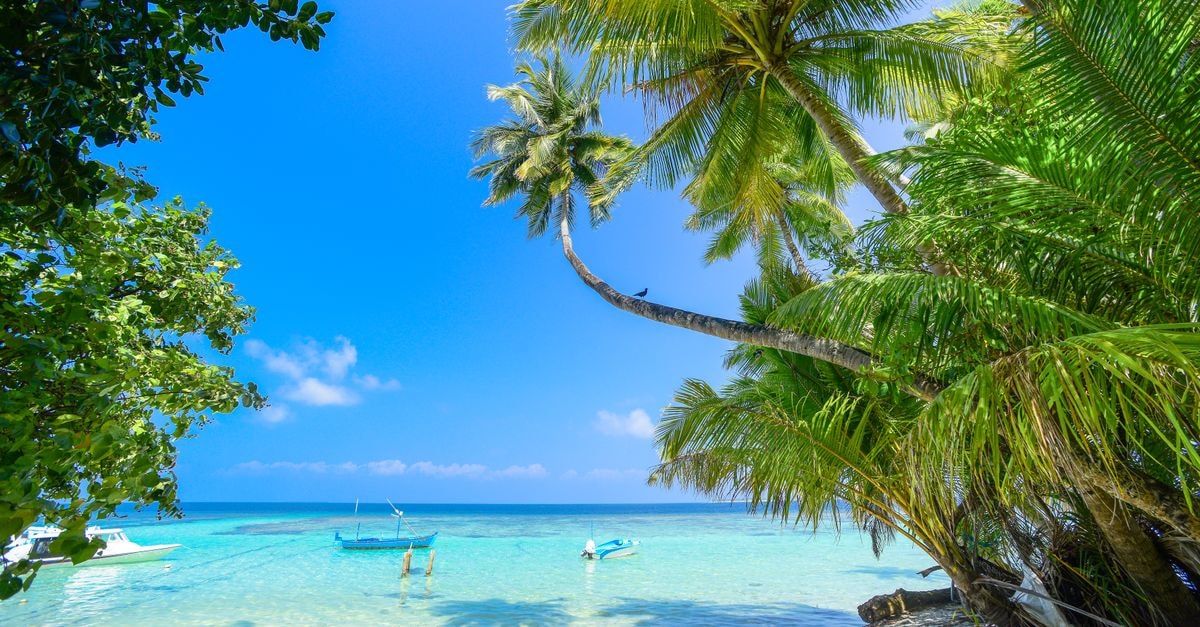
Fuvahmulah sits at the southern end of the Maldives as a single-island atoll, a quiet counterpoint to the resort-island image that the country is best known for. Travelers who land here are usually after a different texture of trip: long flat roads edged with greenery, the sound of the ocean on two sides, and the kind of unhurried day that the rest of the Maldives often skips over. Because the whole atoll is effectively one inhabited island, getting oriented is simple, and most of the things people come to do are within an easy ride of each other.
The island’s standout physical feature is the one that draws surfers from across the world: Fuvahmulah holds the unique distinction of being the only island in the Maldives with a beach break, which makes the shoreline itself a piece of the destination’s identity rather than a backdrop. That fact quietly shapes what people plan around.
Weather and seasonal context
Fuvahmulah sits within a tropical monsoon climate (Am) under the Köppen–Geiger classification, which means warmth and humidity are part of the everyday texture of the island rather than something you pack specially for. Temperatures across the year typically stay between roughly 29°C and 30°C on the daily mean, so lightweight clothing, sun protection, and easy-breathing fabrics are sensible for almost any visit.
Because the climate is tropical and monsoonal, rainfall patterns shift through the year rather than the temperature doing so. Broader climate writing for the area points to February as the noticeably drier window, with conditions outside that period often feeling more humid and showery. Travellers who enjoy a still, predictable day for exploring on foot or sitting through long golden-hour sessions by the shore may want to time a visit around that drier pattern; travellers who don’t mind a passing shower and prefer a quieter, less-touristy feel may prefer the shoulder periods, simply pacing the day a little differently and building in indoor or café stops around the heavier rain.
Month-by-month temperature figures for Fuvahmulah are published by meteorological sources and show consistent warmth throughout the year. Because the daily mean barely moves between seasons, the most useful thing to plan around is rain and humidity rather than how hot it will be.
Getting to and around Fuvahmulah
Fuvahmulah has its own domestic airport, which is linked by two daily flights with Velana International Airport (MLE), the main international gateway. That makes the island a natural second stop after a Malé arrival for travellers who want to combine a city-and-atoll itinerary without committing to a liveaboard or resort transfer boat.
On the ground, the most economical way to travel around Fuvahmulah is the local bus service, which runs along the island’s main corridors and is the everyday option for residents. For travellers who prefer to set their own pace, car rental is a readily accessible option through the Qvian web app, even though scooters and motorbikes remain popular and continue to be the traditional way that many residents move around.
A reasonable on-the-ground plan for most visitors is to use the bus for the simple corridors, especially along the main road and around the town side of the island, and to consider a rental car or motorbike for the stretches where stops are more spread out. Because the island is a single, ring-shaped landmass, getting from one side to the other rarely takes long, which means transport choices feel less like logistics and more like a preference for pace.
Attractions and planning
The island’s signature attraction is intimately tied to its geography. Fuvahmulah has the unique advantage of being the only island in the Maldives with a beach break, and for surfers that makes the trip stand on its own. Rather than a boat ride out to a reef pass or a resort-surf transfer, the wave is right at the shoreline, which lowers the bar for entry and changes the rhythm of a surfing day from a timed excursion into something closer to a local habit.
For non-surfers, that same shoreline sets the tone of the visit. Long empty beaches, a sense of space that is rare elsewhere in the country, and the quiet drama of an island that meets the ocean on more than one side make Fuvahmulah rewarding as a slow-stay destination. Travellers who enjoy shaping a day around the ocean rather than around a checklist of attractions tend to find the island fits well; travellers who prefer a packed, programme-style itinerary with multiple stops in different locations each day may find Fuvahmulah calmer than expected and may want to plan around the surf, the shoreline, and the small-town pace rather than trying to stretch the island into something it isn’t.
Plenty of the day here will be built around the beach itself, so visitors coming primarily to surf should treat the rest of the trip as complementary, not as a separate schedule. Those coming primarily to relax can let the shoreline do the heavy lifting and the rest fall in around it.
Choosing what fits your trip
For surfers and ocean-first travellers, Fuvahmulah is the practical shortcut to the Maldives: a beach break on the island itself, a domestic flight from Malé rather than a boat charter, and a straightforward ground transfer at the other end. The trade-off is that everything else on the itinerary sits within one ring-shaped island, so the day needs to be designed around the wave, the shoreline, and the slower local pace rather than a string of distinct stops. Travellers who value a calmer, less-resort feel and are content to let one great beach do the anchoring will likely find the trade worth making; travellers expecting a fast, multi-stop programme may want to pair Fuvahmulah with a few Malé days rather than asking the island to carry the whole trip alone.
A note before you go
Factual travel conditions can change, and details such as flight frequencies, rental-car availability, local bus timetables, and surf conditions vary through the year. Before departure, it is worth checking the latest schedules with the operating airline, the local transport options listed through services such as the Qvian app, and any official travel advisories for the Maldives to make sure your on-the-ground plan still matches reality on the day.
Prices, opening hours, schedules, reservation rules, and local conditions can change; verify them through official channels before departure.
Share this article
TOOLS FOR THIS PLAN
Make the Fuvahmulah plan measurable
Choose a tool only when it answers the next question in your trip. Your values stay in the browser, and each tool offers a route back to this planning context.