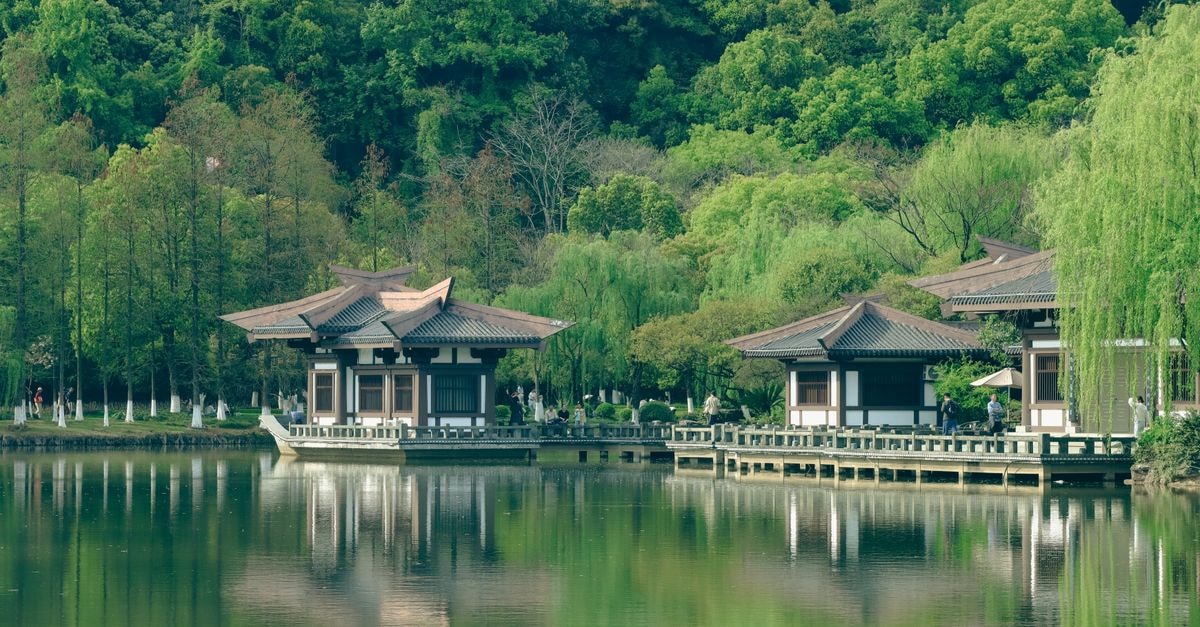
A first look at Fuyang

Fuyang sits in the northwest of Anhui province as a working city along the Ying River plain, a place where daily life tends to move at a measured pace rather than at the speed of a headline destination. For visitors who enjoy unhurried walks, neighborhood dining, and the small rituals of a Chinese city away from the big-tourist trail, Fuyang offers exactly that kind of texture: clean, wide streets, a sense of regional pride, and a culinary culture that quietly reflects the wider food map of China.
This guide keeps the focus on what a traveller can actually plan around, starting with a careful read of the weather and then opening out to the food context you are most likely to encounter while you are here. It is written to stay useful on any future visit, so the advice is deliberately evergreen rather than tied to a specific date.
Weather and seasonal context
Fuyang's climate leans continental, with hot summers, cool winters, and a noticeable swing between daytime and nighttime temperatures for much of the year. A useful way to think about the weather here is in terms of layers and pace rather than in terms of a single ideal moment, because the city does not present the dramatic extremes of more mountainous parts of Anhui.
Looking at recent recorded conditions gives a clear sense of the city's everyday rhythm. A typical day in Fuyang can show a morning reading around 29°C, cooling to roughly 21°C at night, with a feels-like value near 27°C. Atmospheric pressure sits around 755 millimetres of mercury, relative humidity around 78 percent, and a light wind of about 3 (in the units used by the source). These are not extreme numbers, but the combination of warm days, mild evenings, and fairly high humidity is what actually shapes how a day on the ground feels.
For travellers, the practical takeaway is simple. Mornings and evenings are usually the most comfortable windows for longer walks or outdoor sitting, while the middle of the day can feel warmer and a little heavier than the thermometer suggests. Lightweight clothing, a small layer for air-conditioned interiors, and the habit of pausing for a drink between stops will carry you comfortably through most days. A compact umbrella or light rain layer is a sensible addition at any time of year, because humidity and passing showers are part of the city's normal weather personality.
Independent travel platforms also keep Fuyang well covered in their broader Anhui destination pages, listing the city among the places where up-to-date information on scenic spots and local hangouts is regularly refreshed. That makes it relatively easy to cross-check conditions, neighbourhood notes, and opening details closer to your visit using an established travel resource.
Food and local context
Food is one of the most enjoyable ways to read a Chinese city, and Fuyang is no exception. Rather than chasing a single signature dish, it helps to arrive with a sense of where Anhui sits within China's much wider culinary map, because that context colours almost everything you eat while you are here.
China's cooking tradition is famously regional. Eight major cuisines are generally recognised, each with its own characteristics, flavour logic, and ingredient preferences. Anhui cuisine, known as Hui cuisine, is one of those eight, and its reputation is built on careful use of local mountain and river ingredients, slow-braised preparations, and a preference for clear, layered flavours rather than the bright chilli heat or sharp sweet-sour contrasts associated with other regional schools. Travellers who enjoy slow-cooked dishes, river fish, mushrooms, and the gentle aroma of stewed stocks tend to find Anhui-style food especially rewarding.
Stepping back further, Chinese food culture as a whole is often described as a tradition of diversity and balance. The phrase captures the idea that a meal is meant to balance textures, temperatures, cooking methods, and the relationship between food and well-being. A useful framing for visitors is to think of a Chinese meal not as a single main dish with sides, but as a small table of complementary plates, shared slowly, with each one doing a different job.
That same idea of regional difference shows up the moment you start looking beyond one province. Regional cuisines across China are widely described as a testament to the country's culinary diversity, with neighbouring provinces often sharing ingredients while developing very different flavour signatures. For a visitor in Fuyang, this means that even everyday dishes in local restaurants can carry echoes of the broader conversation between northern wheat-based cooking, central river-region braises, and the lighter approaches found further east and south.
When you sit down to eat in Fuyang, a few habits will serve you well. Order a mix of dishes rather than one plate per person, ask about any unfamiliar ingredient before you commit, and be open to the regional Hui style of slow-braised flavours and river-based proteins. Tea, often poured alongside the meal, is part of the rhythm of dining in this part of China, and it pairs naturally with the kind of slow-cooked food Anhui is known for.
A few grounded travel notes
A few small practices tend to make a Fuyang visit feel smoother, especially for independent travellers who are not on a packaged schedule.
Public spaces in the city are easy to navigate on foot for short distances, and the habit of moving more slowly in the middle of the day suits the local weather rhythm. Early mornings and the run-up to sunset are generally the most pleasant times to be out walking, and they also tend to be when neighbourhood food spots are at their liveliest.
Because Anhui cuisine rewards unhurried eating, plan your meals around conversation rather than speed. Soups and braises arrive warm rather than piping hot, and the flavours often deepen as the dish sits on the table. Allowing extra time for each meal turns dining into one of the more memorable parts of a Fuyang trip rather than a refuelling stop.
Finally, treat regional food information as a starting point rather than a checklist. The eight major cuisines give you a reliable map of China, and Anhui's place within that map gives you a clear sense of what to expect on the table, but the specific dishes you encounter in Fuyang will reflect local markets, seasons, and the cooks preparing them. Staying curious and asking about what is in front of you is usually the most rewarding way to explore the city's food culture.
A note before you go
Factual travel conditions can change, and the weather readings, opening patterns, and food landscape described here reflect the approved sources available at the time of writing. For any checkable detail such as opening hours, transport options, or current weather on the day you travel, please consult official local channels or a reputable travel platform before departure so that you can plan around the most up-to-date information.
Prices, opening hours, schedules, reservation rules, and local conditions can change; verify them through official channels before departure.
Share this article
TOOLS FOR THIS PLAN
Make the Fuyang plan measurable
Choose a tool only when it answers the next question in your trip. Your values stay in the browser, and each tool offers a route back to this planning context.