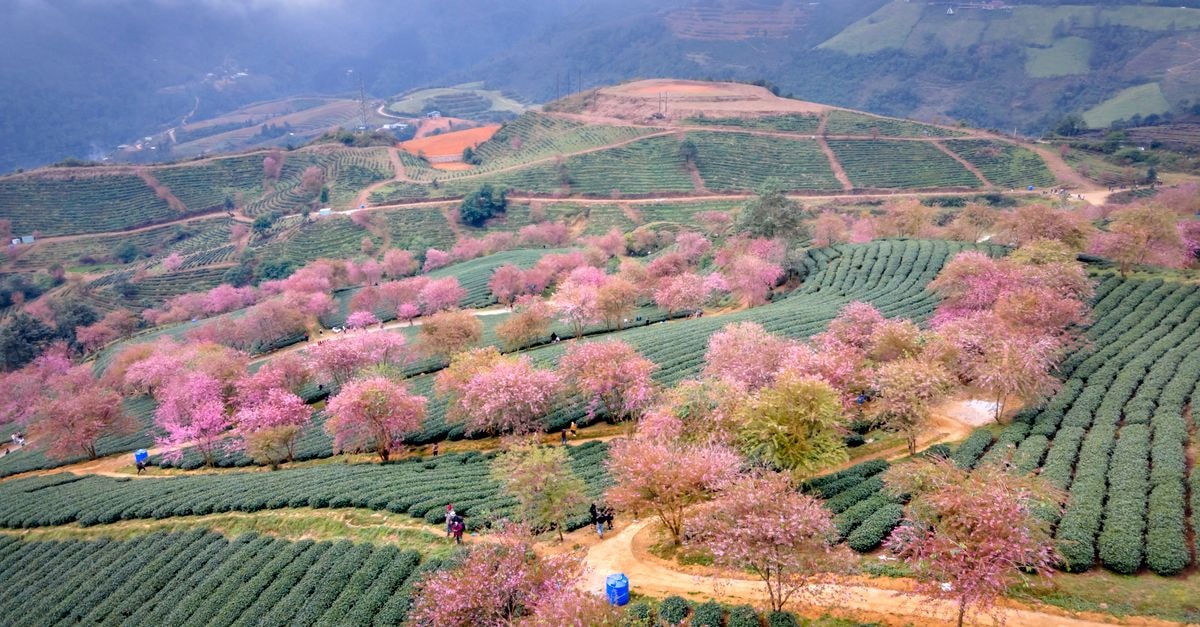
A slow look at Xuancheng

Set in the southeastern corner of Anhui, Xuancheng is the kind of city that rewards unhurried travelers. It sits within a province better known for the karst peaks around Huangshan and the old lanes of Huizhou, yet Xuancheng carries its own quieter identity, built around tea country, ink-stone heritage and a long literary tradition. The city has been cataloguing its cultural and ecological assets seriously: by the 2024 official directory, Xuancheng's municipality held 61 nationally rated A-level tourist attractions, a figure that hints at how widely the sights are scattered rather than concentrated in a single historic core.
For a first-time visitor, that matters. It shapes how you plan. Rather than a compact two-day stroll, Xuancheng tends to unfold as a series of stops linked by rural roads, low hills and tea gardens. Knowing this in advance helps you set a gentler pace and treat the city less like a checklist and more like a patchwork of small, specific places.
Weather and seasonal context
Xuancheng has a humid subtropical climate typical of southeastern Anhui, with the kind of long-term averages that locals use as a benchmark rather than a forecast. The broader pattern is one of mild, green springs and warm-to-hot summers, followed by cooler, drier autumns and winters that can feel sharper than they look on a thermometer. Spring, running roughly from March to May, is widely described locally as mild, green and atmospheric, a season that tends to flatter countryside walks, tea-country drives and any visit centered on rural scenery rather than city sightseeing.
Because the figures available here are long-term averages compiled from official city and county descriptions, they are best read as context, not as a guarantee of what a given week will bring. Pack with the season in mind, but expect variation. Layering is useful across most of the year, and rain protection is sensible in spring and summer. Travelers who enjoy quieter streets may find the shoulder seasons especially pleasant, when the tea gardens and rural routes feel less hurried.
Attractions and planning
The headline number for trip planning is straightforward. Xuancheng's official 2024 directory included 61 nationally rated A-level tourist attractions, a tally that covers cultural, ecological and rural tourism resources across the whole municipality. That is a useful framing device: it tells you that what Xuancheng offers is variety and spread, not a single dominant sight.
Practical rankings also exist. The widely circulated 2025 Amap popular-attraction list, combined with online visitor ratings, gives travelers a working top 10 to anchor an itinerary. Treat that list as a starting point rather than a verdict. Visitor popularity in China is shaped by accessibility, photography appeal and weekend traffic patterns, so a highly ranked site may simply be easier to reach by car rather than more culturally significant than a quieter alternative nearby.
A realistic approach is to pick two or three anchor sites and let the surrounding countryside fill in the rest of the day. If you have rented a car or hired a driver, rural attractions such as tea plantations, ancestral villages and ecological reserves become far more rewarding than they would be on public transport alone. If you are relying on taxis and ride-hailing, focus on the attractions closer to the urban districts first, then decide whether a half-day excursion outward is worth the logistical effort.
It is also worth tempering expectations around crowds. National ratings reflect quality benchmarks, not visitor numbers, so a 4A or 5A site on the outskirts may be markedly quieter than a 3A site on a main bus route. Travelers who prefer atmosphere over spectacle often find that the lower-ranked, more rural stops deliver the more memorable half-hours.
How long to stay, and how to move
With more than 60 rated attractions distributed across a wide municipal area, Xuancheng does not lend itself to a rigid itinerary built on minimum minutes per sight. Independent travelers tend to do well with two to four nights as a base, using one full day for close-in sightseeing and another for a longer rural loop. The city itself is walkable in its central districts, while surrounding attractions are easiest by car.
Public transport within Anhui has improved steadily, and high-speed rail connects Xuancheng to larger hubs in the region, but onward links from a station to a specific rural attraction can still require a taxi or a hired car. Build in transfer time, especially if you are visiting more than one rural site in a single day, and avoid stacking two remote stops back-to-back without a planned meal break in between.
Practical notes for independent visitors
A few evergreen points worth carrying with you:
- Treat the 61-rating figure as evidence of depth, not a to-do list. Trying to see everything will dilute the experience. - The 2025 popularity list is a navigation aid, not a quality ranking. Read recent visitor comments for current conditions rather than relying on past impressions. - Climate context is long-term. Always check a short-range forecast closer to your trip and pack for both warm days and cooler evenings. - Rural attractions often have limited English signage. A translation app and a sense of humor go a long way.
A note on verification
This guide is built from durable, long-term information about Xuancheng's attraction landscape and climate. Travel conditions change, and attraction ratings, popularity lists and on-the-ground access are revised over time. Before departure, check official tourism channels and recent visitor reports for the latest opening status, transport options and any local advisories. Factual details in this article should be read as a starting framework for planning, not as a final word on the ground.
Prices, opening hours, schedules, reservation rules, and local conditions can change; verify them through official channels before departure.
Share this article
TOOLS FOR THIS PLAN
Make the Xuancheng plan measurable
Choose a tool only when it answers the next question in your trip. Your values stay in the browser, and each tool offers a route back to this planning context.