A capital that opens slowly

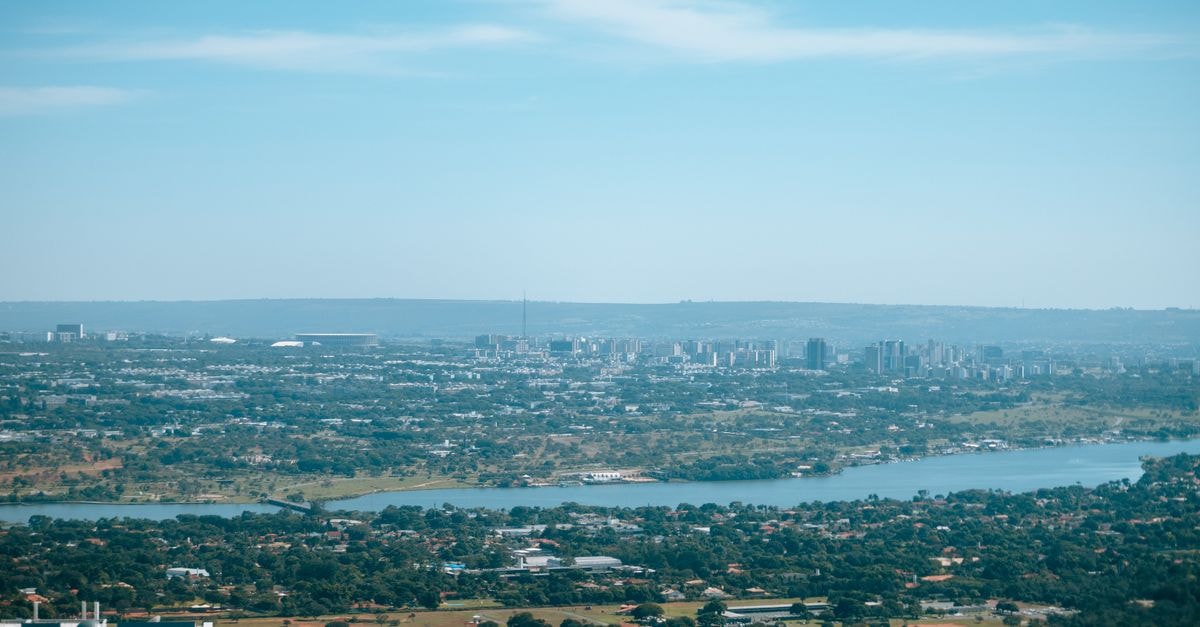
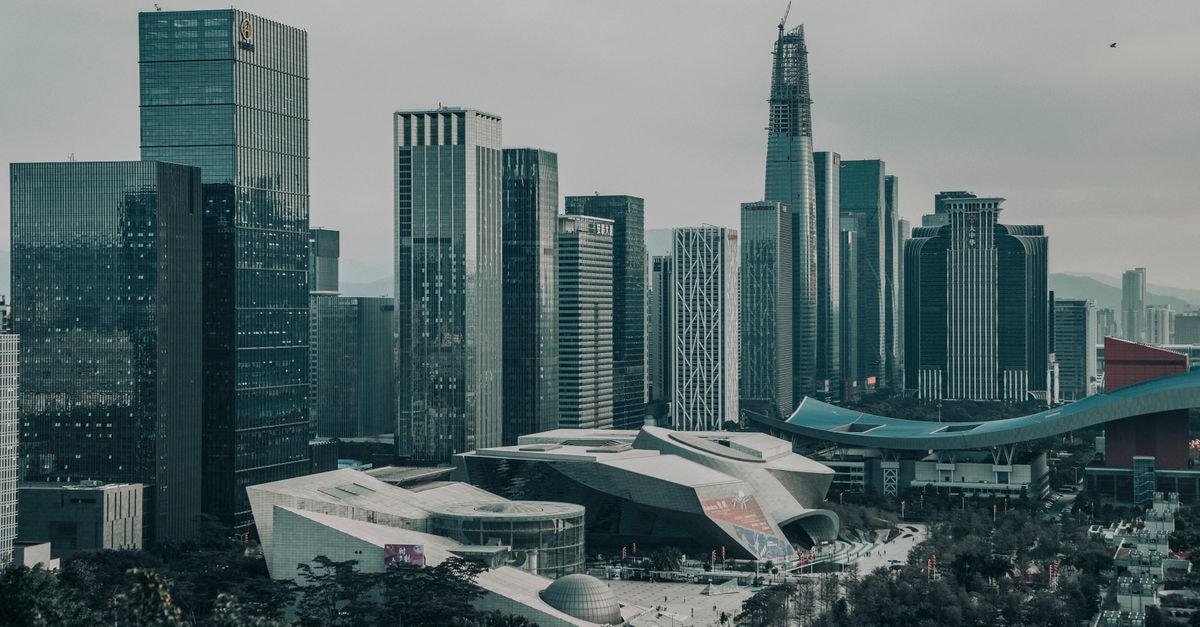
Gaborone has the feel of a city still learning its own shape. Built from scratch in the 1960s on what was once scrubland, it does not lean on a polished historic centre the way older African capitals do. Instead, it spreads outward in low-rise neighbourhoods, glass office blocks and quiet suburban streets, with the kind of wide sky overhead that makes you instinctively slow your pace. Travellers who enjoy places that reward a second look — the curve of a dam at golden hour, a sculpture tucked beside a roundabout, the smell of woodsmoke drifting from a kitchen — tend to settle into Gaborone quickly.
If you are planning a September visit, the city tends to wear its early-spring warmth lightly, with cooler evenings that make outdoor planning comfortable. That makes it a rewarding window for combining a bit of urban wandering with wildlife time just outside the centre.
Weather and seasonal context
September in Gaborone sits firmly in the dry, warming stretch of the year, and the forecast signal for the month points to generally comfortable rather than extreme conditions. Daytime temperatures in early September typically sit around the high twenties in Celsius, with a forecast suggesting around 27° in the days ahead, while the broader early-month average reads closer to 26°. As the month progresses, the days can climb — daily highs around 32° are in the range, with overnight lows near 15°. Rain is essentially absent in the September forecast shown, which means clear skies, soft golden light and very little chance of a wet-weather plan B.
Practically, that translates into a city that feels bright and unhurried. Mornings and late afternoons are the most generous windows for being outdoors, with the middle of the day carrying a touch more heat, especially on open stretches without shade. Layering is your friend: a light shirt by day, a thin jacket or sweater once the sun drops. Because humidity is low and skies stay open, the famous Botswana starlight often arrives while there is still colour on the horizon — a small detail that makes an early dinner on a rooftop or terrace feel quietly cinematic.
Getting around
Gaborone is a city that invites a mixed approach to transport. Many of the central areas are pedestrian-friendly, and walking is a perfectly reasonable way to take in the rhythm of the streets, particularly around the malls, parks and civic spaces where daily life clusters. Cycling is also a real option for short stretches, especially in the cooler hours of the morning.
For longer hops between neighbourhoods, the local minibus network — the combis — is part of the everyday texture of the city. These white minibuses trace fixed routes, with one well-known line running from Rail Park Mall through Broadhurst and on towards Mogoditshane. They are informal, frequent and inexpensive, and riding one is as close as you can get to feeling the pulse of the place without renting a car. For evenings or door-to-door comfort, taxis and ride-hailing are the easiest fallback. If you are planning to venture beyond Gaborone itself, arranging a rental car in advance gives you the freedom to move on your own schedule.
Attractions and planning
The most surprising thing about Gaborone is how quickly the wild sits beside the civic. The Gaborone Game Reserve is squeezed between a dam and the surrounding suburbs, and you can find yourself watching impala and wildebeest within minutes of the parliamentary precinct. That proximity — animals at the edge of the urban grid — is the city's signature image, and it rewards an early start when the light is soft and the animals are most active.
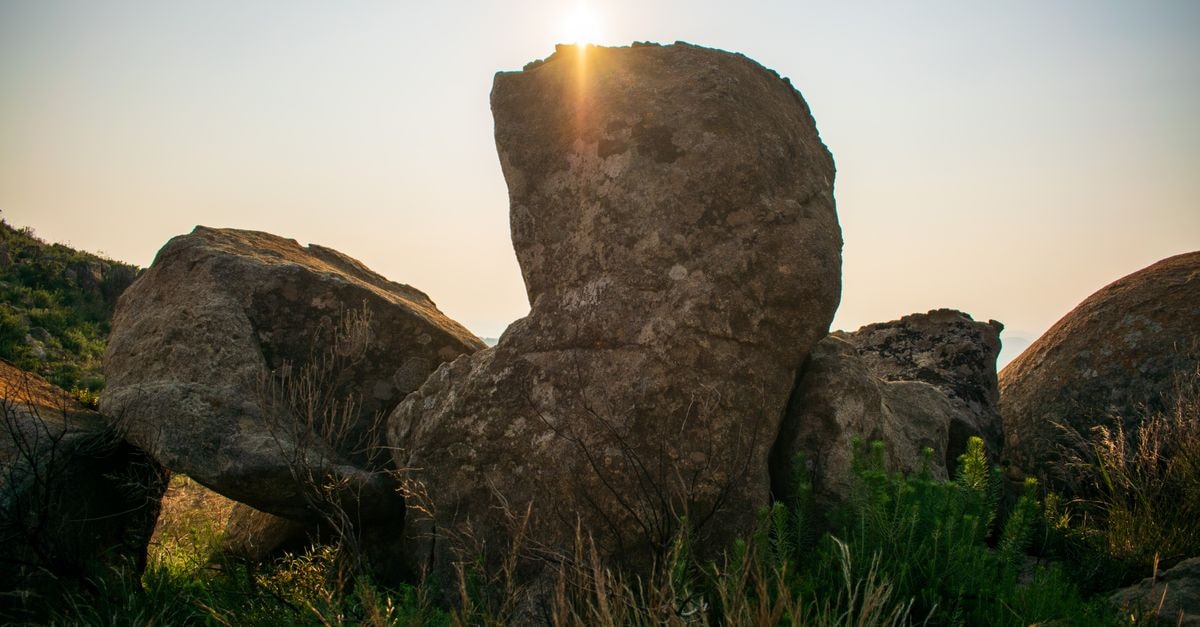
Beyond the reserve, the city's appeal is layered rather than checklist-shaped. The modern centre has its share of glass and commerce, but the real texture lies where historical memory, local craft and natural topography meet. Statues and public art sit at the edges of roundabouts and civic squares, and there is a quiet pleasure in noticing them — including pieces such as the "Three Chiefs with Lady Justice" sculpture, which speaks to the city's post-independence story. Slowing down enough to read the plaques, or to wander between a craft stall and a small gallery, is often how the capital reveals itself.
A useful rhythm is to pair one wildlife window with one cultural or civic window each day. A morning at the reserve followed by a slow afternoon in the central area — a café stop, a gallery browse, a walk along a leafy street — keeps the heat at bay and the energy high.
Food and local context
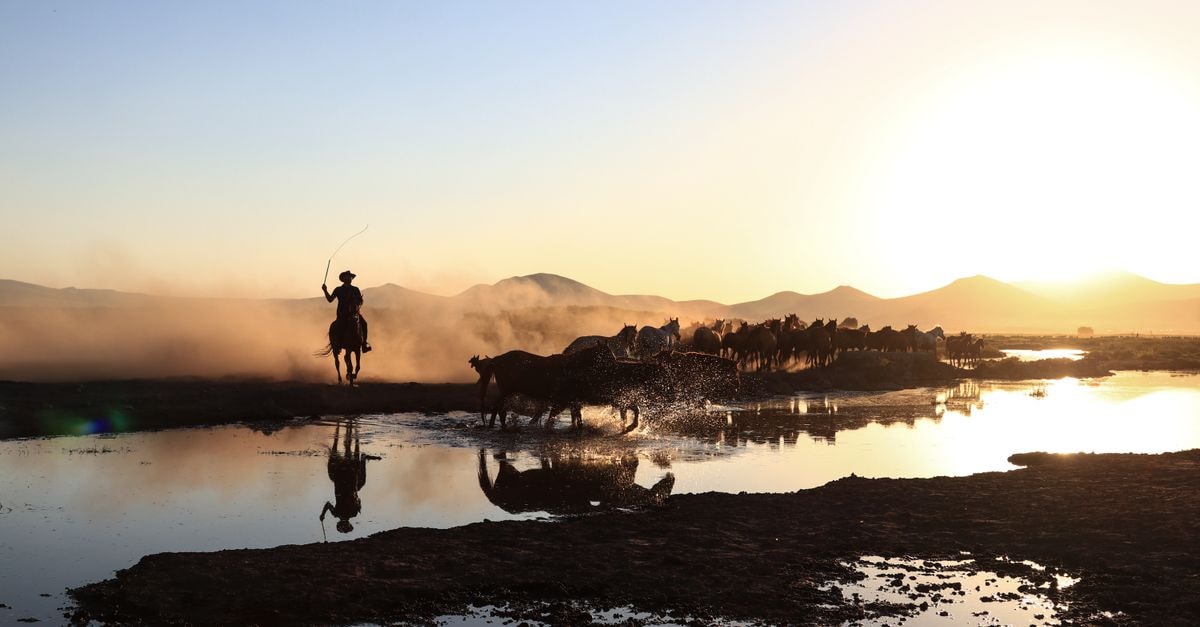
Food in Gaborone reflects the city's youthful, layered identity. The capital was carved from scrubland in the 1960s, and its food culture still carries that sense of a place finding its voice — dishes that were once survival staples for cattle herders now sit on the same tables as lighter, more global flavours. The mix is part of the appeal: you can move from a plate of slow-cooked beef to a brighter, more contemporary menu within the same neighbourhood.
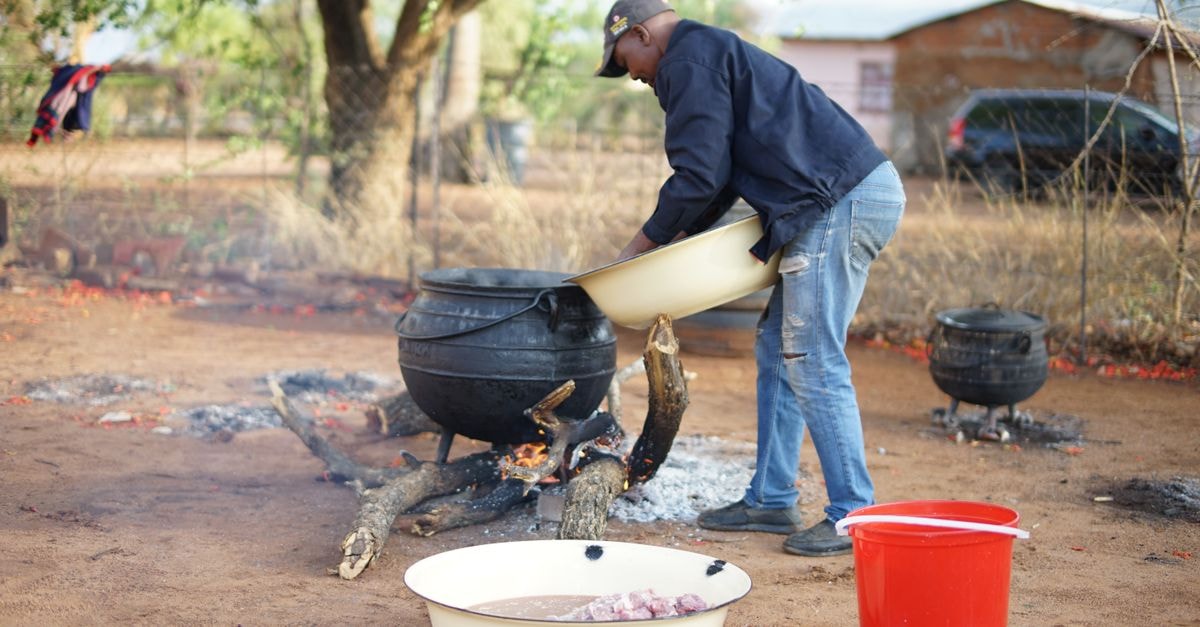
For travellers interested in tasting Botswana's signature dish, seswaa — a slow-cooked, pounded beef or goat stew — the city has well-known spots to try it. Maruapula Restaurant and Boteti Karoo are both recognised for serving authentic Botswana dishes, and they offer a comfortable entry point for visitors who want to experience the country's traditional food without venturing far from the centre. Beyond these, Gaborone's restaurant scene tends to be friendly to experimentation: lighter lunches, fresh salads, and a growing number of places doing modern African plates alongside the more familiar international options.
Wider Botswana food culture, which visitors may encounter while in Gaborone, often centres around maize meal (pap or bogobe), morogo (wild greens), and grilled or stewed meats shared family-style. Sampling these in a city setting is one of the easiest ways to feel oriented to the country as a whole.
Pacing your September days
Because September days are warm, dry and bright, the most enjoyable shape for a visit is to front-load activity and ease into the evening. Begin with an outdoor highlight — wildlife, a walk, a market — before the sun climbs, then retreat into a café or shaded lunch spot in the early afternoon. Late afternoon opens up again for sightseeing, sculpture-spotting or a drink at golden hour, and evenings stay mild enough for unhurried dinners. Because the skies stay clear, the night sky itself becomes a small daily ritual worth keeping.
A relaxed pace suits the city well. Gaborone rewards attention rather than ticking off a long list, and a few days spent moving between wildlife, food and quiet civic wandering tend to feel more memorable than a packed schedule.
A few small practical notes
- Carry a refillable water bottle; the dry air catches you out faster than the temperature suggests. - Keep a light layer for evenings, even after warm days. - Walking and cycling work well in central areas, but plan transport for longer cross-city hops. - Pairing one wildlife morning with one cultural afternoon each day keeps the heat manageable.
Final note before you go
Conditions on the ground — from weather shifts and transport schedules to opening hours at restaurants and reserves — can change, and it is always worth checking official or up-to-date local sources before departure so your plans match the moment you arrive. Treat any figure here as a directional guide rather than a fixed promise, and let the city surprise you in the small details it does not advertise.
Prices, opening hours, schedules, reservation rules, and local conditions can change; verify them through official channels before departure.
Share this article
TOOLS FOR THIS PLAN
Make the Gaborone plan measurable
Choose a tool only when it answers the next question in your trip. Your values stay in the browser, and each tool offers a route back to this planning context.