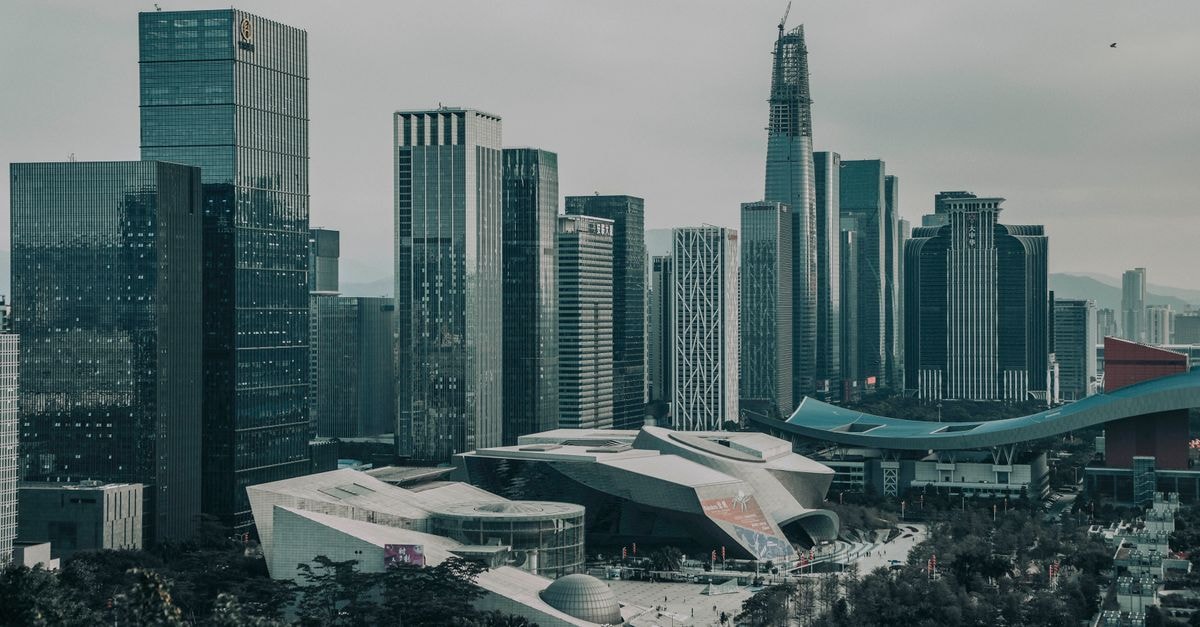
A small mining town with a big story
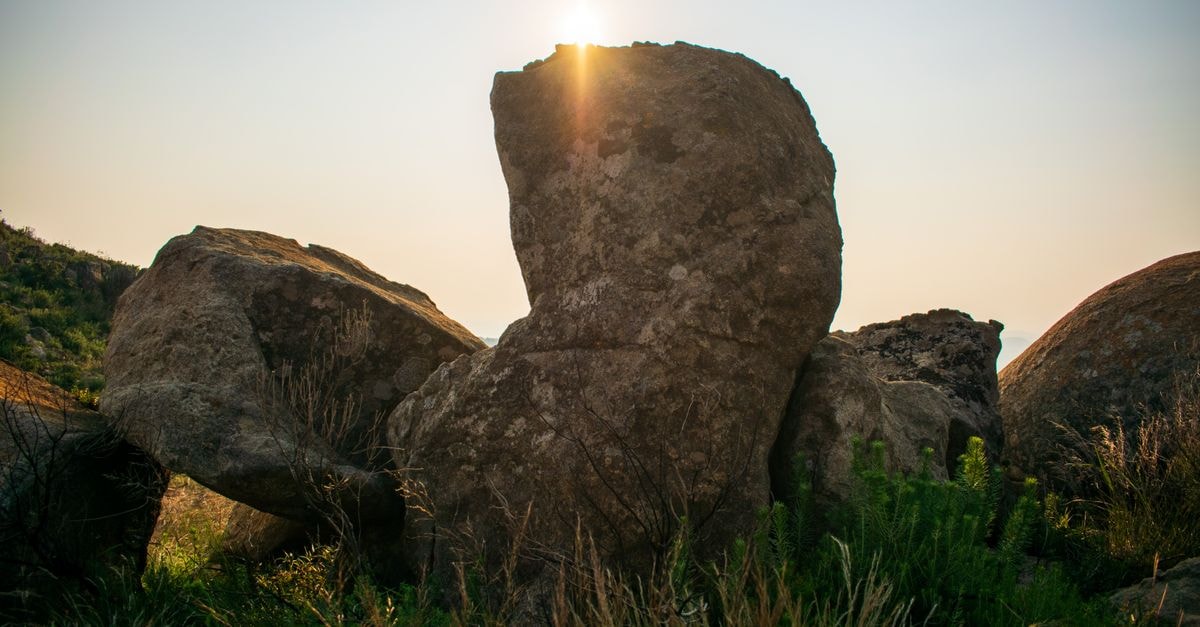
Jwaneng sits in the southern part of Botswana, and the town itself is something of a modern creation, planned and developed alongside the diamond mine that gave it a reason to exist. The valley where it was discovered carries a poetic local name, and the story of how a relatively young settlement turned into one of the most important economic centers in the country is woven into almost every aspect of life here. Visitors who arrive expecting nothing more than a roadside stop are often surprised by how much identity this compact town carries.
The reason to know about Jwaneng is partly geological and partly human. The kimberlite pipe beneath the surrounding hills has put this small Southern Botswana town on global maps of mining and gemology. For travelers passing through, that gives Jwaneng a clear point of interest beyond being a transit point between other parts of the country. Understanding why the town exists makes any visit feel less like a detour and more like a chapter in Botswana's modern story.
Weather and seasonal context
The climate in Jwaneng is generally dry and sunny, with conditions that make exploring the town and its surroundings feel comfortable for most of the year. Rainfall tends to be light and passing rather than sustained, and even when an odd shower rolls through, it rarely lingers long enough to interrupt a day of plans. That kind of weather pattern tends to suit travelers who prefer outdoor walking, photography around the town's open spaces, or simply moving between points of interest without worrying about heavy rain gear.
Because Jwaneng is built on open terrain in the southern part of Botswana, the sun can feel strong during the middle of the day, and evenings often cool down noticeably once it sets. Travelers who are sensitive to heat may want to pace the more active parts of the day around the cooler morning and late afternoon hours, saving any relaxed indoor time for the warmer midday stretch. As always with Botswana's climate, layers help: a light jacket for evenings and breathable clothing for the daytime sun.
If you prefer mild, dry conditions for a visit, Jwaneng's general pattern of low rainfall and pleasant temperatures tends to make planning straightforward. The town functions as a useful base for travelers who want more local detail than a passing highway stop, and the climate rarely complicates that kind of low-key exploration.
Getting around
Jwaneng is located in the Southern District of Botswana, though the town itself is administered separately through its own Town Council rather than falling under the district's local governance. That administrative distinction matters less to a casual visitor than to anyone curious about how the town is run, but it does mean Jwaneng has its own municipal identity and is treated as a self-contained town rather than a village within a larger district.
For practical movement, Jwaneng is a compact settlement, and the distances between the residential areas, the commercial center, and the mine-related infrastructure tend to be short. Travelers passing through will find that getting oriented does not take long, and the town's grid layout makes it easy to learn quickly. Because the town is relatively small and self-contained, walking between nearby points is often realistic during the cooler parts of the day.
Attractions and planning
The single biggest reason Jwaneng exists is the diamond mine that gave the town its identity. The Jwaneng pipe was discovered in 1972 in what is locally known as the Naledi River Valley, which translates to "Valley of the Stars." That name alone gives the town a romantic undertone that visitors do not always expect from a mining settlement. The discovery transformed what had been open veld into one of the most strategically important industrial sites in southern Africa.
Today, the Jwaneng Mine, sometimes referred to as the Prince of Mines, is recognized as one of the richest diamond mines in the world. For visitors, that translates into a town where the diamond industry is not just an abstract economic statistic but a visible part of daily life, from the infrastructure to the workforce that keeps the operation running. Travelers with an interest in geology, mining history, or modern Botswana's economic development often find Jwaneng more thought-provoking than they anticipated.
Food and local context
Jwaneng's food scene reflects the wider context of Botswana, where meat plays a central role in everyday cooking and meals often carry a strong sense of communal sharing. One dish that defines the country's culinary heritage is seswaa, often called pounded beef, which appears as a generous heap of beef that has been simmered slowly in a cast-iron pot until the connective tissue breaks down into soft, almost silky strands. It is typically served in a shared setting, and the experience of eating it is as much about the table as it is about the plate.
In Botswana more broadly, the concept of sharing is woven into how food is presented and enjoyed, with meals often laid out so that everyone at the table can serve themselves from a central dish. Visitors spending time in Jwaneng will encounter this communal style of eating as part of the wider Botswana dining culture, especially in settings that emphasize traditional preparation. Understanding that sharing is the default can help travelers feel more comfortable joining a meal and more attuned to how local restaurants and home dining tend to work.
A note before you go
Travel conditions, opening arrangements, and local services can change, so it is always wise to confirm details with official channels or local contacts before departure. This guide is written as evergreen context to help you understand Jwaneng and plan around it, not as a substitute for up-to-the-minute local information.
Share this article
TOOLS FOR THIS PLAN
Make the Jwaneng plan measurable
Choose a tool only when it answers the next question in your trip. Your values stay in the browser, and each tool offers a route back to this planning context.