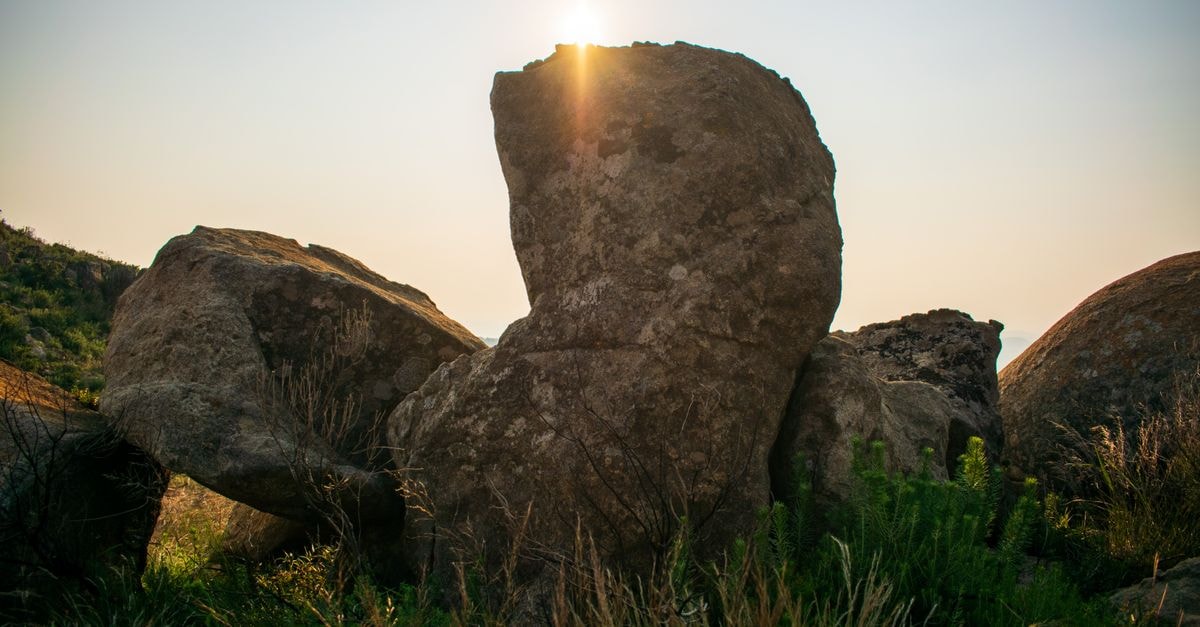
A quiet crossroads on the western edge of Botswana
Ghanzi has the feel of a place that wasn't really built for visitors, and that is part of its charm. Set in the western portion of Botswana, this small town of roughly 12,000 residents (as recorded in 2011) is the only settlement of any real size across a huge stretch of the country's interior. It sits in a district that runs west all the way to the Namibian line and stretches deep into the country's interior. For travelers, that makes Ghanzi feel like a genuine waypoint rather than a polished stop on a packaged itinerary.
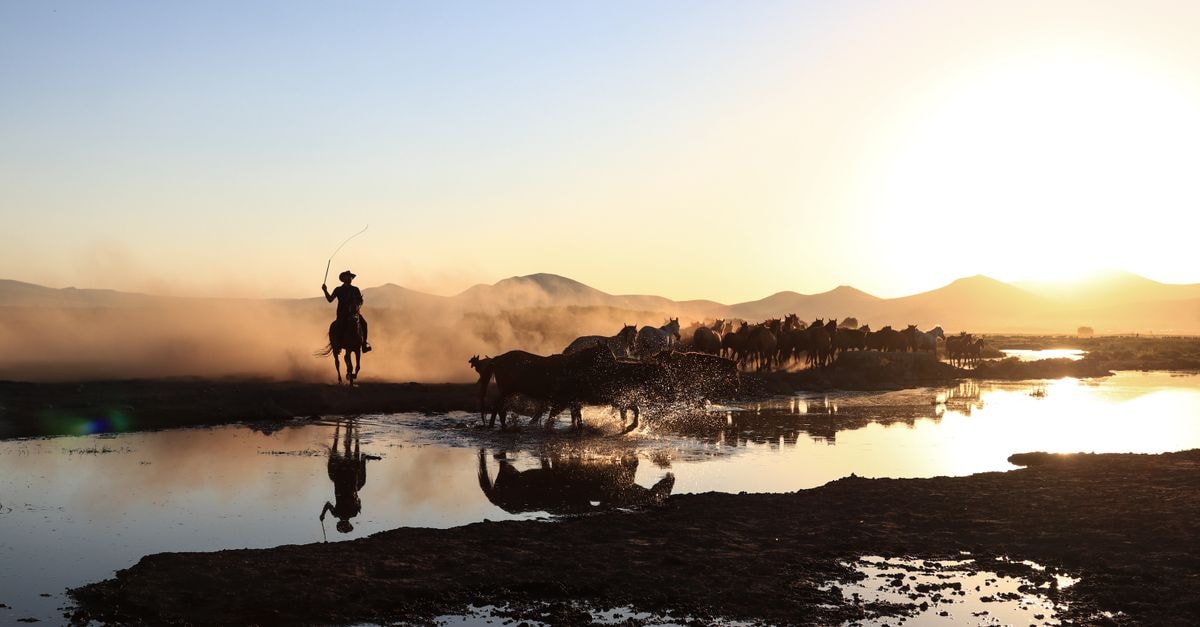
What defines the place, in practical terms, is that it exists for two reasons that have nothing to do with tourism: cattle and the road to Namibia. The Trans-Kalahari Highway passes through, and the town itself is considered Botswana's cattle-farming hub, home to over 200 cattle farms in the greater district. If you come expecting a museum quarter or a curated cultural village, you may be surprised. If you come curious about the working rhythm of rural Botswana, you'll find plenty to observe.
Getting around and the geography that shapes it
The town's identity is inseparable from its road network. Tar roads connect Ghanzi with the capital of the country, and the Trans-Kalahari Highway gives it a direct line west toward Namibia. That single fact reframes how most travelers use the town: as a base, a refuel point, and a launchpad rather than a destination in its own right.
Because Ghanzi is the administrative centre of a district that borders Namibia in the west and extends east into much of the interior of the country, distances around here can feel larger than they look on a map. Travelers who prefer covering ground efficiently and keeping driving days tight may appreciate that the highway puts the town within reach of long-distance routes. If you prefer slow, place-based travel with time to talk to people, the working farms and small-town infrastructure give you a reason to linger rather than simply pass through.
It is worth remembering that this is a small town with a small population base. Facilities reflect that scale, and a little flexibility goes a long way.
What to see and how to plan your time
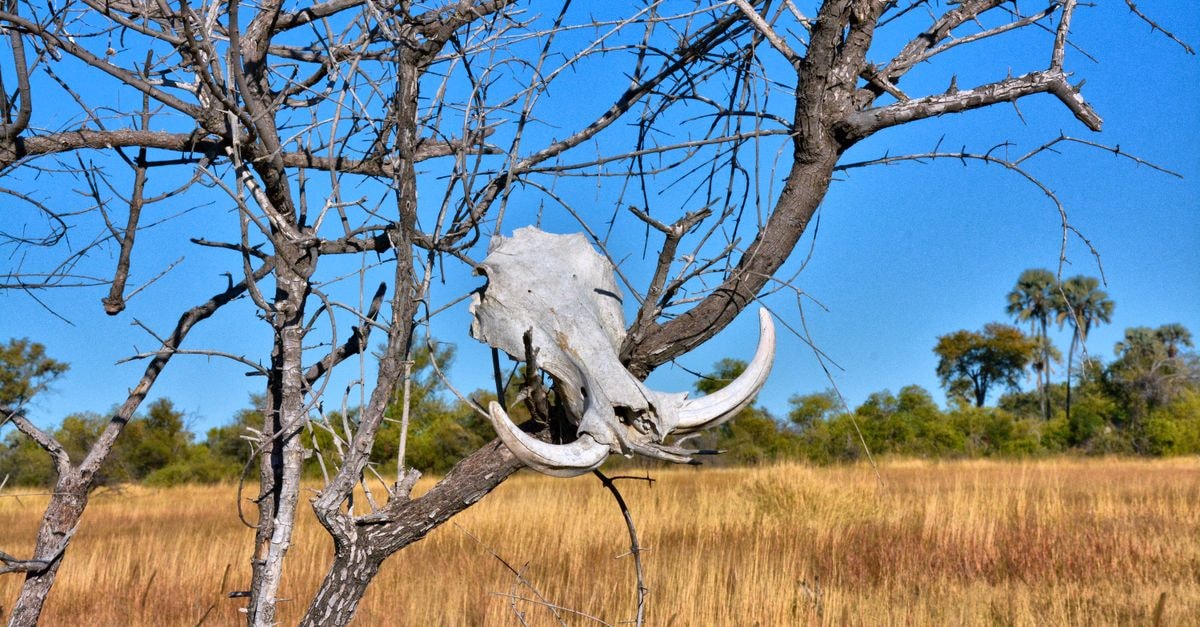
Attractions in the strict packaged sense are thin on the ground, and that is honest to acknowledge. The town exists for cattle and for the road, and the surrounding district is the Kalahari in everything but name. For travelers who like to plan around landscape rather than a checklist of sights, Ghanzi offers a version of Botswana that is harder to find in the better-known reserves further east: wide horizons, working ranches, and the slow logistics of a region built on moving livestock across sand.
The cattle-farming heritage of the region is one of the main things visitors can observe here. With over 200 cattle farms in the greater district, ranching is not a backdrop but the central economic activity. Travelers interested in how a country feeds itself, and how a town like this functions beyond tourism, will find that lens rewarding. If your travel style leans toward urban sightseeing and a dense concentration of formal attractions, this town may not suit you as a standalone destination and you may want to pair it with broader Botswana plans.
A practical approach is to treat Ghanzi as a stopping point on the Trans-Kalahari corridor. Use it to reset, refuel, and orient yourself to the western part of the country, then continue onward. Visitors with a more deliberate pace, who like to sit with one region for a while, can use the town to explore the surrounding district at a calmer tempo.
Food and the wider Botswana context you may encounter
Because Ghanzi is small, specific restaurant listings and neighborhood food scenes are not something we have firm evidence for. What we can speak to with confidence is the wider Botswana food culture that visitors are likely to encounter while spending time here, whether in the town itself or further west toward the Namibian border.
Across the country, meals are often served in a communal setting, and the concept of sharing is an important part of Botswana's food culture. That ethos tends to surface in lodges, guesthouses, and family-style meals rather than in formal à-la-carte dining, and it is a useful piece of context for travelers used to eating solo at a separate table. If you prefer flexibility and individual portions, consider asking early how a meal will be served so you can adjust.
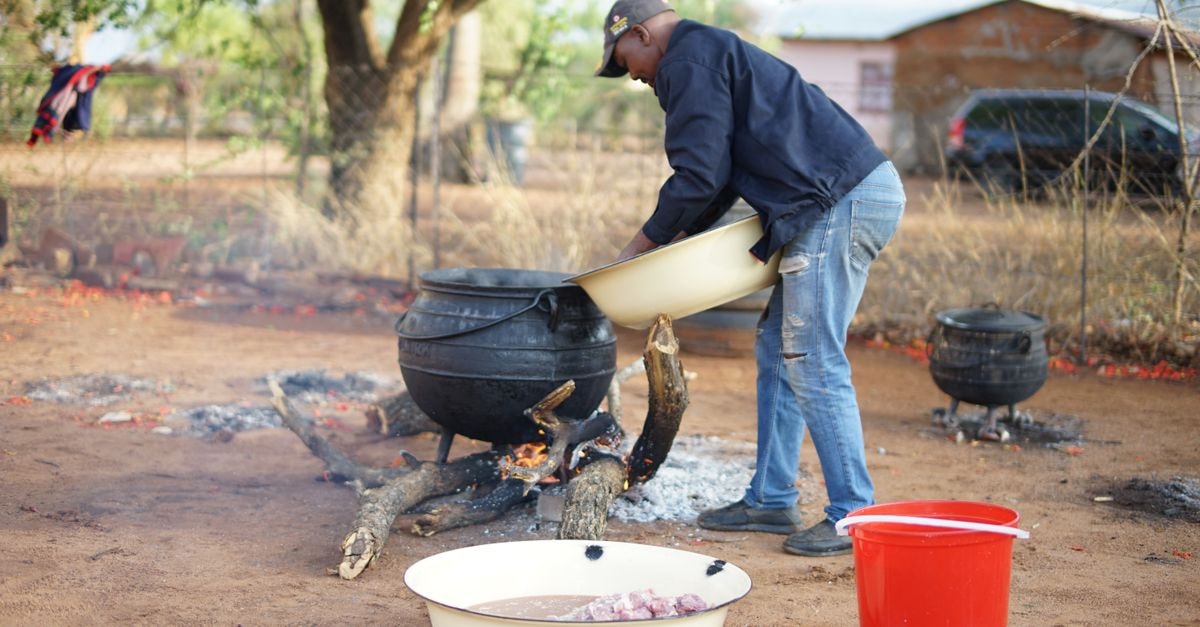
The dish most closely associated with Botswana's culinary heritage is seswaa, often described as pounded beef. It is prepared as a heap of hand-shredded beef simmered for hours in a cast-iron pot until the collagen breaks down into silky strands. This is national context, not a Ghanzi-specific specialty, but it is the kind of plate you may come across while traveling through the country, and recognizing it adds a layer to the trip. Travelers with a more adventurous palate, or anyone curious about everyday Botswana rather than imported menus, may find this worth seeking out.
Choosing what fits your style
Ghanzi rewards travelers who are comfortable reading a place as it actually functions rather than as it is marketed. If you enjoy road-tripping, like observing working landscapes, and want to understand the western part of Botswana beyond the better-known safari circuit, the town offers a clear and honest base. If your preference is for dense sightseeing, curated cultural performances, or a wide choice of restaurants within walking distance, you may want to think of Ghanzi as one anchor in a longer Botswana route rather than a standalone stay. Either approach works; the choice is about pace, expectations, and how much weight you put on the highway-versus-slow-travel balance.
A note before you go
Conditions on the ground, including road quality, fuel availability, and local services, can change over time. Before you travel, verify the latest practical details for Ghanzi, the Trans-Kalahari Highway, and the wider district through official Botswana channels and your accommodation provider. The factual picture here is built to be durable, while real-world details will always move.
Prices, opening hours, schedules, reservation rules, and local conditions can change; verify them through official channels before departure.
Share this article
TOOLS FOR THIS PLAN
Make the Ghanzi plan measurable
Choose a tool only when it answers the next question in your trip. Your values stay in the browser, and each tool offers a route back to this planning context.