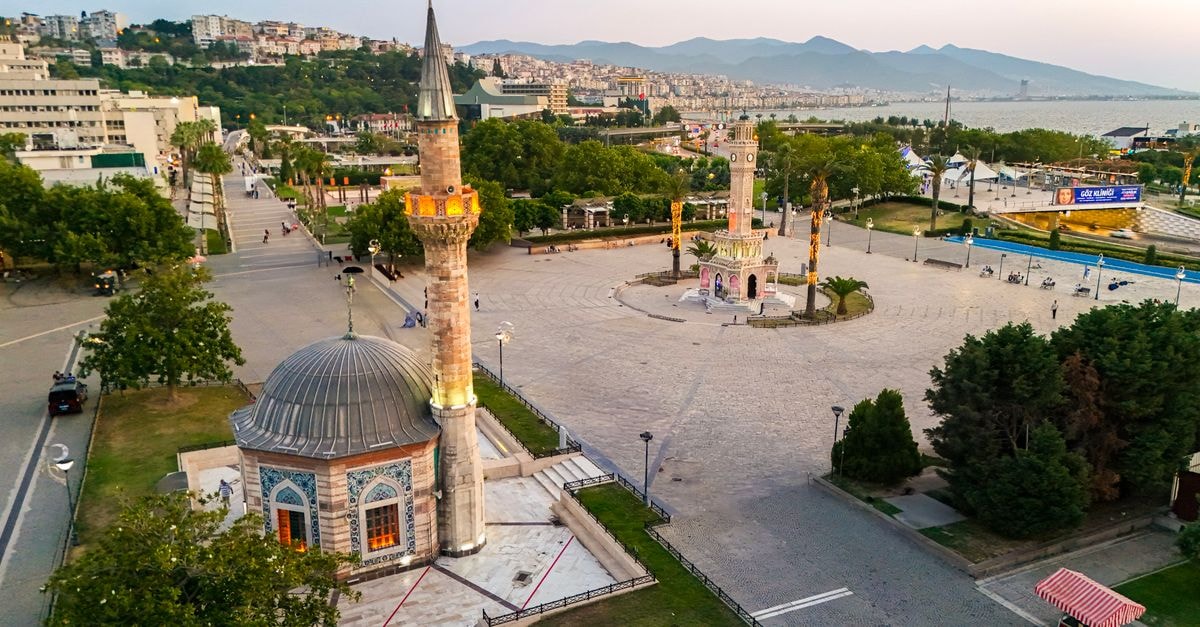
Setting the scene in Gebze
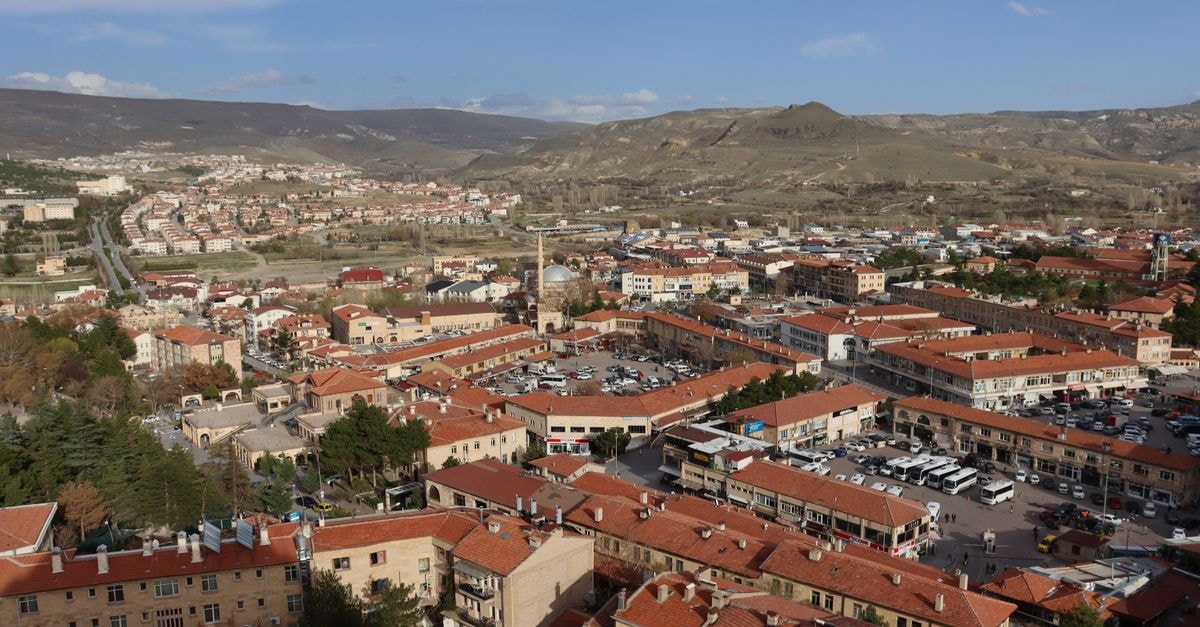
Gebze sits at a quiet crossroads on the eastern edge of Kocaeli, a working city where daily routines of commuters and families overlap with the steady hum of business travel. According to one local perspective, the city "offers a mix of historic charm and modern infrastructure, attracting both local families and business travelers," which is a useful frame for the visitor: this is not a resort or a museum town, but a practical stop with its own rhythm. Travelers who arrive expecting a polished tourist stage tend to leave underwhelmed, while travelers who arrive expecting a slice of everyday Marmara life tend to leave with a much richer sense of place.
If your goal is to experience Türkiye as locals do, with short walks, easy meals, and unhurried conversations, Gebze can suit that style well. If your goal is concentrated sightseeing, you may want to reconsider how much time you spend in the city itself and how you balance it with the wider region. The rest of this guide focuses on what is genuinely supported about the place, so you can build a trip that fits your own pace.
Weather and seasonal context
There is no specific monthly weather data in the approved sources for Gebze, so this guide keeps seasonal framing deliberately light. What the evidence does support is the character of the city itself: a place where modern infrastructure meets historic charm, and where local families and business travelers move through the day side by side. That mix is useful context for any visitor, because it tells you that the streets are designed for residents first and visitors second.
A few practical notes follow directly from the approved material. One source emphasizes skipping tourist traps in favor of "lokantas (local eateries serving home-style food) or small, family-run restaurants," which doubles as a general pace reminder: meals in Gebze tend to be unhurried, neighborhood affairs rather than quick stopovers. Another source offers a quiet but important logistical note for late arrivals: "Confirm the final part of your journey before booking a late-night arrival." This is not a comment on safety or weather, simply a reminder that final-leg transport options thin out as the day ends, and verifying the last connection in advance is a small habit that saves real stress.
Because the underlying sources do not pin down temperatures, rain patterns, or seasonal crowd curves for any specific month, this guide intentionally avoids dressing up assumptions as facts. Treat Gebze as a layered, lived-in city, dress for the day you have, and let the local rhythm set your pace.
Getting around
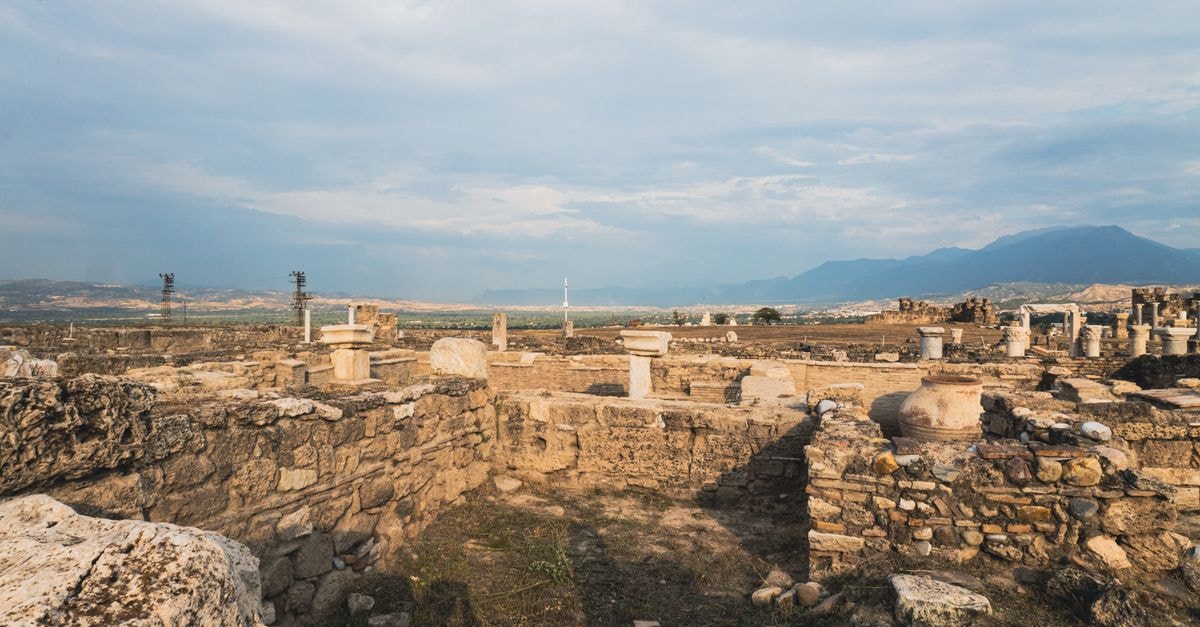
Movement in Gebze is shaped less by grand attractions and more by the texture of everyday life. One of the more distinctive items in the city's heritage fabric is an open-air theatre, where, as one travel reference puts it, "It's been turned into an open-air theatre, access at other times is erratic." That single sentence carries two useful traveler lessons. First, it confirms there is a real cultural site worth seeking out. Second, and more importantly, it warns that on any given day, the gates may not be open when you arrive, and that spontaneity here can be rewarded or frustrated depending on timing.
There is also a cultural footnote that colors the city's atmosphere. A famous painting associated with Gebze is "The Tortoise Trainer," which one source describes as "satirising attempts to reform the Ottoman Empire." You are unlikely to plan a trip around a painting, but it is the kind of detail that pops up in local conversation, in guidebooks, and in small galleries, and recognizing it gives you an easy entry point into chats with residents.
For self-catering travelers, the approved sources offer a concrete habit worth copying: "For those planning to self-cater in short-term rentals, weekly markets and grocery strips supply fresh produce and staples; choosing a lodging near such markets reduces time spent on grocery runs and makes spontaneous meal planning easier." If you prefer apartment-style stays over hotels, look for short-term rentals within easy reach of a weekly market or a recognizable grocery strip. The payoff is not just convenience; it is the small daily ritual of shopping where locals shop, which is often where the texture of a city becomes visible.
Food and local context
Gebze is not a culinary destination in the polished-guide sense, but it sits inside the wider food culture of Türkiye, and that wider culture is what visitors actually encounter in everyday eateries. Türkiye as a country has a long, well-documented relationship with tea, meze, grilled meats, bread, and sweets, and that national pattern shapes what shows up on local tables. One approved source simply anchors the country itself, identifying the republic and its capital, which is a useful reminder for visitors: what you eat here is best understood as a local expression of broader Turkish habits, not as a separate regional cuisine.
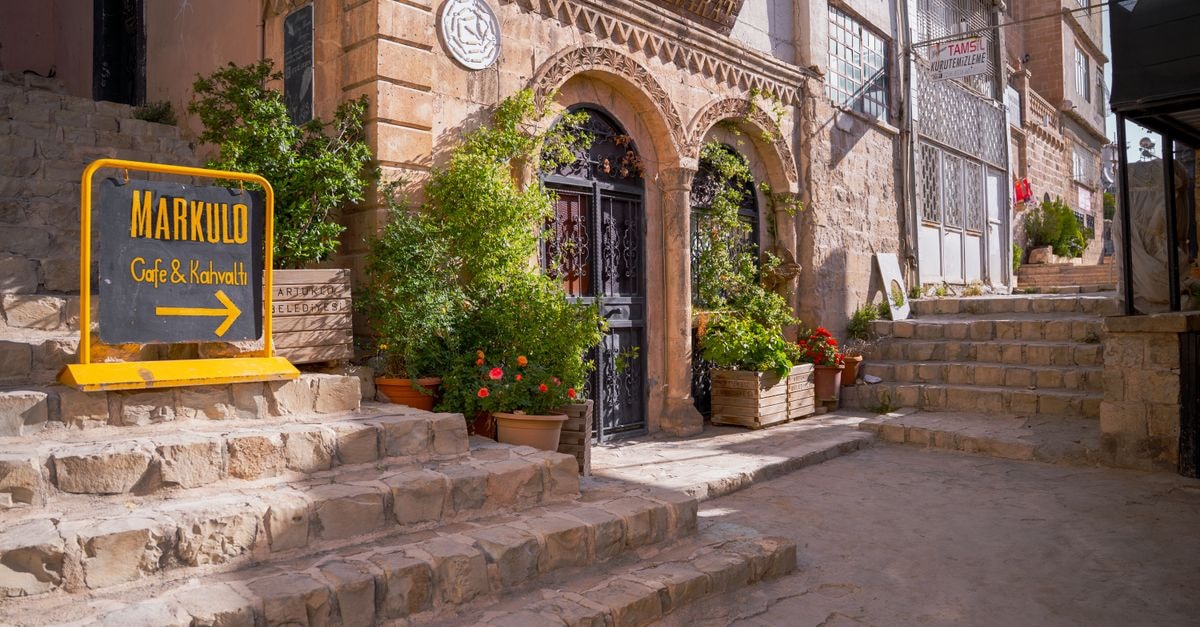
The most actionable local food guidance comes from the same line that appeared in the weather section: lean toward "lokantas (local eateries serving home-style food) or small, family-run restaurants." Lokantas are a specific kind of everyday Turkish eatery, usually with steam trays visible from the street, serving a few prepared dishes that change through the day. For independent travelers who want to eat well without overthinking it, lokantas are often the most efficient path: the food is fresh, the prices are honest, and the room is filled with people who are simply eating lunch. Family-run small restaurants offer a slightly slower, more personal version of the same experience, often with a short printed menu and a few daily specials.
A reasonable approach is to let one or two meals a day come from a lokanta you find on foot, save the more memorable sit-down restaurant for the evening, and use your short-term rental or hotel breakfast to keep things simple. None of this requires insider access or planning; it just asks you to trust the everyday infrastructure that already exists in the city.
Choosing what fits your trip
Because Gebze rewards a particular mindset, it helps to be honest about what kind of traveler you are before you arrive. If you prefer a slower pace, value everyday local life over headline attractions, and like the idea of basing yourself in a short-term rental near a weekly market, the city can suit that style well. You will likely spend your time walking short distances, eating in lokantas, and treating any open-air theatre or local gallery as a bonus rather than a goal. If you are drawn to large museums, dense sightseeing lists, or tightly timed day plans, you may want to reconsider how much of your trip centers on Gebze itself and how you balance it with wider regional travel. The tradeoff is not about quality, it is about whether the city's rhythm matches the rhythm you want on this particular trip.
A note on verification
Travel conditions in any city can shift without warning, from opening hours of small heritage sites to late-evening transport options. One essential question worth confirming before you arrive: are there any planned closures or access changes at the city's open-air theatre during the dates of your visit? Checking the latest local information before you set out is a small habit that protects a trip from unwelcome surprises.
Prices, opening hours, schedules, reservation rules, and local conditions can change; verify them through official channels before departure.
Share this article
TOOLS FOR THIS PLAN
Make the Gebze plan measurable
Choose a tool only when it answers the next question in your trip. Your values stay in the browser, and each tool offers a route back to this planning context.