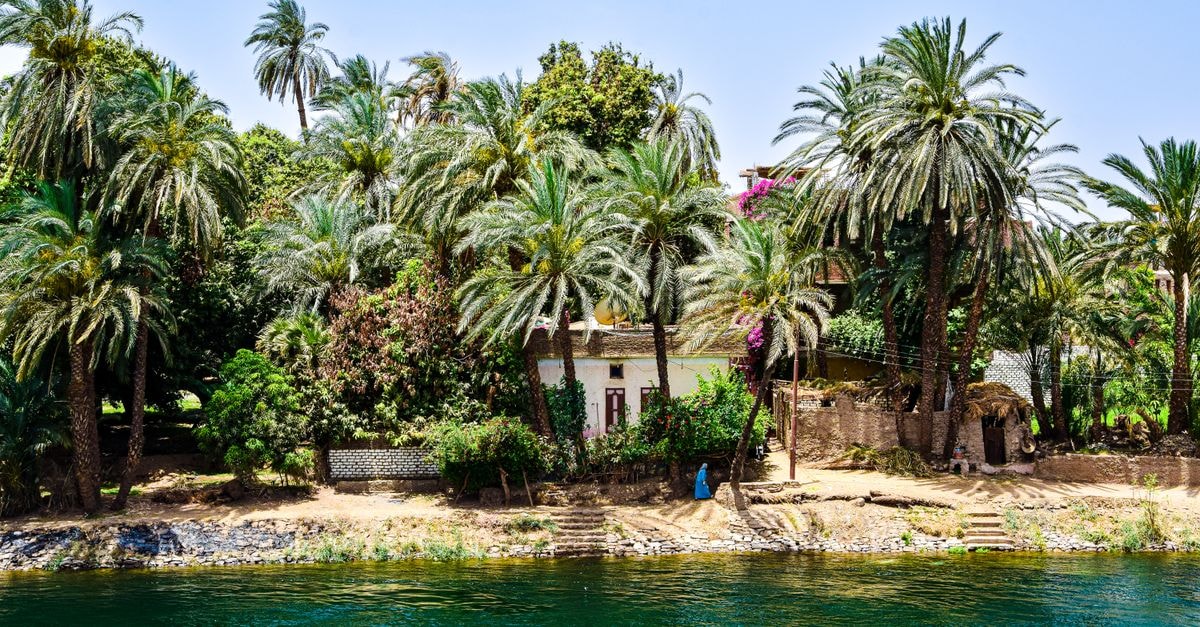
A first look at Geita
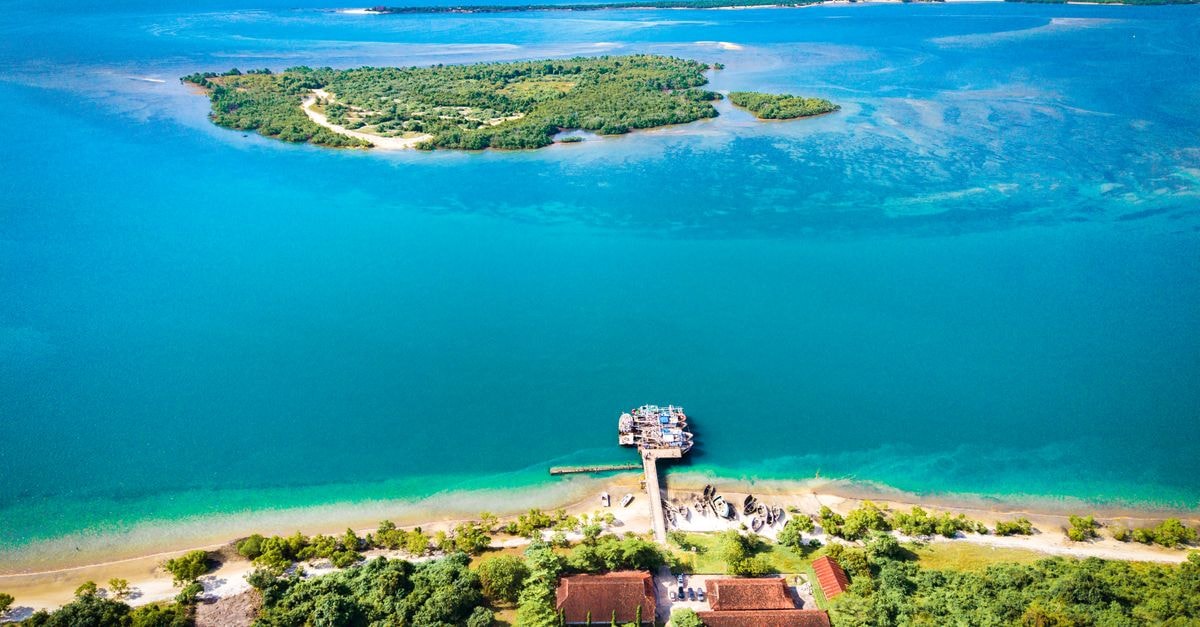
Geita sits in northwestern Tanzania as the main service town of its namesake region, a stretch of country shaped by Lake Victoria to the east and a long mining tradition that runs through the local economy. Travellers who make it here tend to be moving with a specific interest rather than chasing a checklist of headline sights. The town has the feel of a working regional hub: unhurried, practical, and rooted in the rhythms of the lake basin and the gold-bearing landscape around it.
This guide keeps things grounded in what the evidence actually supports. Think of it as a friendly briefing on how to think about a visit, what kind of weather to expect, how to move around once you arrive, and what the most often-cited point of interest represents. None of it is a promise; it's a starting point for planning.
Weather and seasonal context
The climate around Geita is shaped by its position near Lake Victoria, which gives the town a relatively consistent warm temperature profile through the year. Public weather summaries list the average daily maximums for Geita at roughly the high twenties Celsius for most months, with a handful of cooler readings that still stay in the mid-to-high twenties, and a spread of recorded rainy days that varies month to month. The pattern is gently humid in the typical sense of the lake basin, with showers that can come and go rather than sustained downpours.
Tourism-oriented climate summaries suggest the warm-weather window favoured by travel scoring runs from early June to mid September, when conditions are typically drier and a touch more comfortable for outdoor movement. Outside that window the town is still pleasant, but visitors who prefer long, rain-free afternoons for outdoor plans may want to consider how shifting into that band would suit them. Travellers who do not mind a shower here and there, and who like the soft, post-rain green that the region wears at the edges of its dry season, often find the wider year workable too.
Because the lake's influence keeps the temperature range narrow, packing is mostly a question of light layers, sun protection, and a sensible rain option rather than a heavy seasonal wardrobe. Mornings can feel cool relative to the afternoon, so a single light layer is often enough to bridge the day.
Getting around
Geita is served by two local airports, Geita Airport and Geita Chato Airport, which give travellers two air arrival points to weigh when sketching out a route through the region. For visitors coming from elsewhere in Tanzania, an internal flight into one of these airfields is a common way to approach the town without a long overland drive. Once on the ground, the practical question shifts to local movement.
For onward ground travel, Geita Express is described as a Tanzanian online bus ticket booking platform, which is useful context for visitors who want to plan intercity bus connections in advance rather than relying on walk-up arrangements. Within Geita itself, transport tends to follow the rhythms of a regional service town: short distances move by shared taxi or hired car, and visitors planning to explore the wider region usually arrange a vehicle for the day rather than relying on frequent scheduled services.
Attractions and planning
The most consistently cited point of interest in the Geita region is the Geita Gold Mine, described in regional listings as a landmark of the area's mining heritage and an illustration of Tanzania's modern industrial history. It is the kind of site that makes more sense to visitors who already have an interest in how this part of Tanzania developed, rather than a place that sells itself on scenery alone. It anchors the regional identity, and visiting it in person tends to be more rewarding when read against a little background on the country's mining sector.
Broader lists of attractions in Geita and its surroundings frame the area as a place with a handful of named things to see rather than a dense cluster of big-ticket stops. That shape, a small set of interest-driven sites rather than a long itinerary, is part of what gives Geita its quiet character. There is room here for unhurried exploration: a site visit, a slow afternoon to take in the landscape, and conversations with people who know the area well.
For travellers who like industrial heritage or the social history that sits behind a working landscape, the gold mine may suit the trip nicely. Travellers looking primarily for a polished tourist circuit of museums, viewpoints and walkable historic streets may want to set expectations accordingly and balance the Geita portion of their trip with stops elsewhere in Tanzania that match that style.
Choosing what fits the trip
Geita rewards travellers with a specific kind of curiosity. If your interest leans toward regional industry, mining heritage, or the slow pace of a lake-basin service town, the town and its best-known site line up well with that focus, and the two local airports make the logistics relatively easy to weave into a wider Tanzanian route. If your main goal is a denser sightseeing experience with many short, walkable stops in a single day, Geita is more of a pause point than a main stage, and pairing it with a more varied centre elsewhere will give a trip more texture.
A few practical leanings help shape the visit: lean toward the early-June to mid-September window if dry afternoons matter to your plans; use the air arrival options to keep ground travel short; and treat Geita Express as one of several booking tools for onward bus movement rather than the only one. None of this is a fixed itinerary; it is simply how the evidence supports framing the choice.
A note before you go
Conditions on the ground change: airline schedules shift, roadworks affect driving times, and weather patterns can surprise even well-prepared visitors. Treat every detail in this guide as a starting point, confirm current flight options into both Geita airports before booking, and cross-check bus and local transport arrangements close to your travel dates. Where a specific detail matters to your plans and is not covered here, a quick message to your accommodation or a local contact is usually the fastest way to get an accurate answer.
Factual travel conditions can change, so always check official channels and current advisories before departure.
Share this article
TOOLS FOR THIS PLAN
Make the Geita plan measurable
Choose a tool only when it answers the next question in your trip. Your values stay in the browser, and each tool offers a route back to this planning context.